Soups & Comfort Food
Smoked Salmon Chowder
Why This Smoked Salmon Chowder Is Special
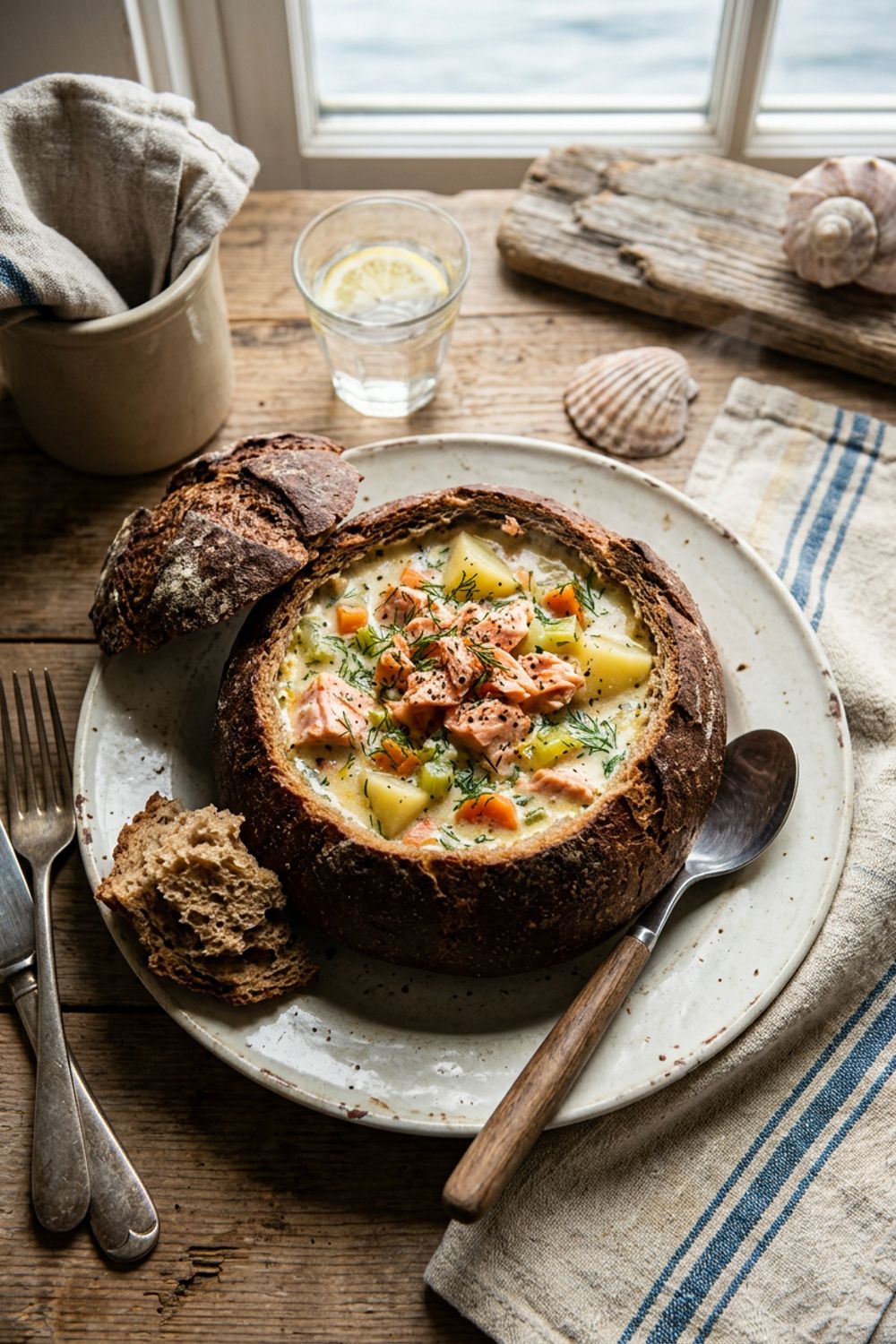
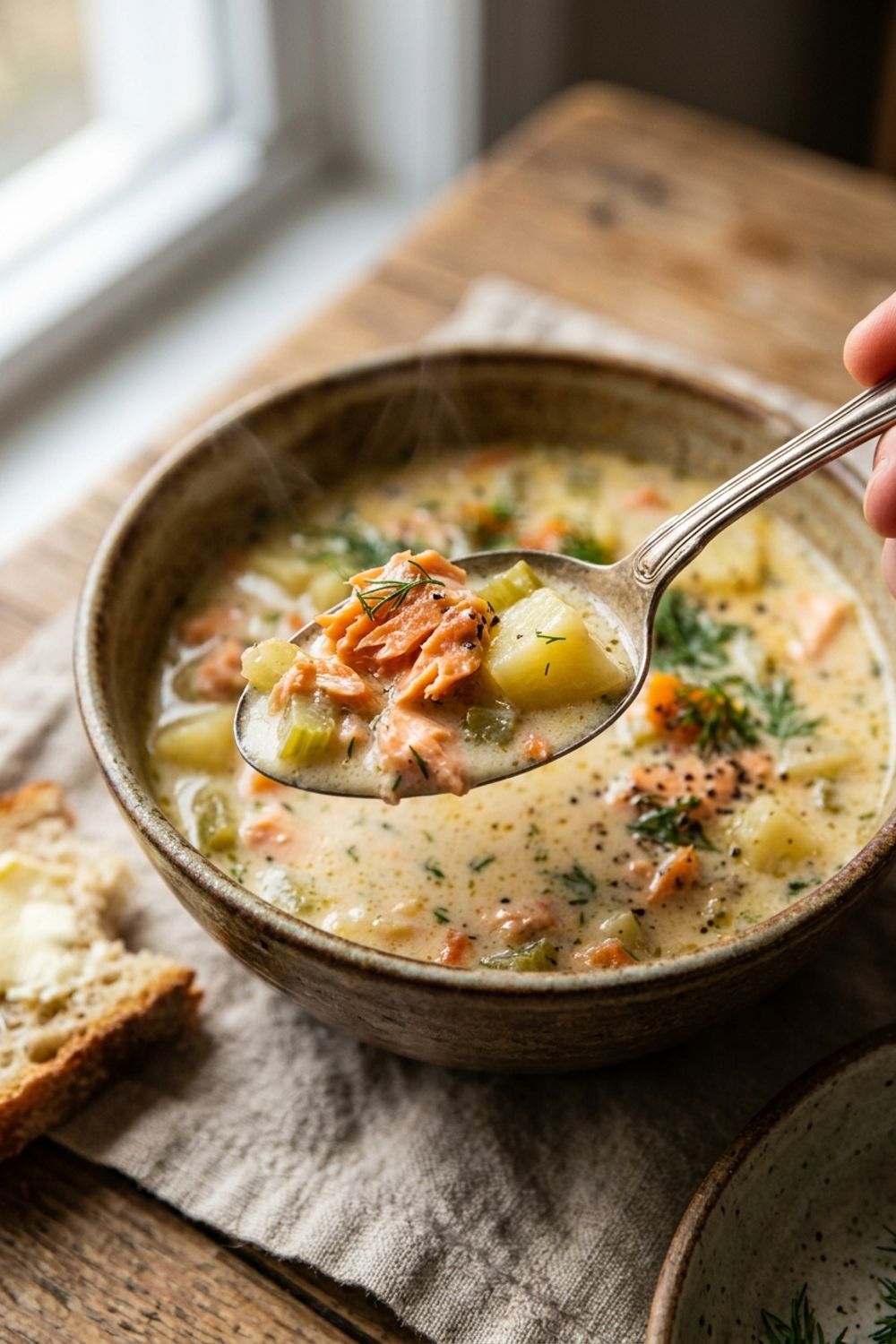
I have a deep and abiding love for chowder season. There is something about wrapping your hands around a warm bowl, feeling the steam rise, and taking that first spoonful of something thick, creamy, and impossibly comforting that just resets my entire mood. This smoked salmon chowder has become one of my most requested recipes, and I think the reason is simple — it tastes like something you would order at a cozy waterfront restaurant, but it comes together in under 45 minutes in your own kitchen.
What sets this chowder apart from the dozens of salmon soup recipes out there is the technique of using two types of smoked salmon. I use hot-smoked salmon, which has a firm, flaky texture and a deep smoky flavor, as the backbone of the soup. Then, just before serving, I fold in delicate pieces of cold-smoked salmon, the kind you would find on a bagel with cream cheese, which practically melts into the warm broth. The combination creates layers of smoky richness that a single type of salmon simply cannot achieve.
I first made this recipe during a particularly brutal February when all I wanted was something warm that did not require me to stand at the stove for hours. I had some leftover smoked salmon from a brunch gathering and decided to experiment. The result was so good that I made it three more times that month and have been perfecting the proportions ever since. The base is a classic chowder foundation — bacon drippings, butter, a light roux — but the addition of smoked paprika and fresh dill gives it a brightness that keeps you coming back for spoonful after spoonful. I genuinely believe this is one of the best soups I have ever created, and I cannot wait for you to try it.
Building the Perfect Chowder Base
The secret to a truly outstanding chowder starts long before any salmon touches the pot. It begins with patience and a proper base. I start by rendering bacon slowly over medium heat, which does two essential things: it creates crispy bacon bits for garnish later, and it leaves behind richly flavored drippings that become the foundation of the entire soup. I add butter to those drippings because the combination of pork fat and butter creates a depth of flavor that neither could achieve alone.
The flour step is critical and one that many home cooks rush through. After sautéing the onion, celery, and garlic until they are soft and fragrant, I sprinkle flour directly over the vegetables and stir constantly for a full two minutes. This step accomplishes two things. First, it cooks out the raw, pasty taste of uncooked flour that can ruin an otherwise perfect soup. Second, it coats the vegetables in a thin layer of roux, which helps distribute the thickening power evenly once the liquids are added.
When adding the broth and dairy, I pour slowly while whisking vigorously. This is non-negotiable if you want a silky smooth chowder without flour lumps. I bring the mixture to a gentle simmer rather than a rolling boil because aggressive boiling can cause the dairy to curdle. The potatoes go in at this point, and I let them cook until they are just tender enough that a fork slides through with slight resistance. Some of the potato edges will break down slightly during cooking, which actually helps thicken the chowder naturally and gives it that gorgeous, slightly starchy body that all great chowders have.
The Art of Working with Smoked Salmon
Working with smoked salmon in a hot soup requires a bit of finesse because overcooking will turn even the best salmon into a dry, chewy disappointment. The hot-smoked salmon goes in first because it can handle a few minutes of gentle simmering. I break it into large, rustic flakes rather than small pieces so that you get satisfying chunks in every spoonful. The heat of the chowder warms it through and allows the smoky oils to perfume the entire broth.
The cold-smoked salmon, on the other hand, is far more delicate. I add it during the very last minute of cooking, folding it in gently with a rubber spatula rather than stirring aggressively with a spoon. The residual heat of the soup is enough to warm it through without cooking it further. These silky pieces of lox create pockets of intense, almost buttery salmon flavor that contrast beautifully with the firmer hot-smoked pieces.
One tip I have learned through many batches is to let the chowder rest for about five minutes after removing it from the heat and before serving. During this resting period, the flavors meld together, the chowder thickens slightly as it cools, and the dill has time to release its aromatic oils into the broth. It transforms from a collection of ingredients into a unified, harmonious bowl of comfort. Do not skip this step, even if the aroma is tempting you to dig in immediately.
Tips for Perfect Smoked Salmon Chowder
Choose the right potatoes. I specifically call for Yukon Gold potatoes because they hold their shape during simmering while still releasing enough starch to help thicken the chowder. Russet potatoes will break down too quickly and turn your chowder into a gluey mess. Red potatoes work as a substitute but will not contribute as much natural thickening. Cut them into uniform half-inch cubes so they cook evenly — larger pieces will leave you with some raw centers while others are falling apart.
Do not skip the lemon juice. It might seem like an odd addition to a creamy soup, but that single tablespoon of fresh lemon juice is the difference between a good chowder and a great one. The acidity cuts through the richness of the cream, bacon, and butter, brightening every flavor in the bowl. It also complements the smoked salmon beautifully, much like the lemon wedge served alongside smoked fish at restaurants. Add it at the very end so the heat does not cook away the fresh, bright flavor.
Control the heat carefully. Cream-based soups are temperamental. Once you add the dairy, never let the chowder come to a full boil. A gentle simmer with small bubbles lazily breaking the surface is perfect. If the chowder boils aggressively, the proteins in the cream can denature and separate, leaving you with a grainy, broken soup instead of a smooth, velvety one. If you notice it getting too hot, simply pull the pot off the burner for a moment.
Toast your oyster crackers. This is a small touch that makes a big impression. Toss a handful of oyster crackers with a tiny bit of melted butter and Old Bay seasoning, then toast them in a 350°F oven for 8-10 minutes until golden. Pile them on top of each bowl for an extra layer of crunch that elevates the whole experience. It takes five minutes of effort and tastes like a completely different garnish from plain crackers.
Season at the end, not the beginning. Because smoked salmon and bacon both contribute significant salt to the chowder, I recommend waiting until the very end to add any additional salt. Taste the finished soup first — you may find it does not need any. If it does, add just a pinch at a time. You can always add more salt, but you cannot take it away.
Variations to Try
New England Style. For a thicker, more traditional chowder, increase the flour to half a cup and add an extra half cup of heavy cream. Replace the corn with diced carrots and add a bay leaf during the simmering stage. Remove the bay leaf before serving. This version is heartier and pairs wonderfully with crusty sourdough bread.
Pacific Northwest Style. Lean into the salmon theme by adding four ounces of cream cheese to the base along with the heavy cream. The cream cheese adds tanginess and extra body. Substitute the corn with sautéed leeks and add a splash of dry white wine after the roux stage for a more sophisticated flavor profile.
Lighter Version. For a lighter take, skip the bacon entirely and sauté the aromatics in two tablespoons of olive oil. Replace the heavy cream with half-and-half and use two percent milk instead of whole. You will sacrifice some richness but still end up with a satisfying, flavorful soup that clocks in at about 260 calories per serving.
Spicy Cajun Twist. Add one diced jalapeño along with the onion and celery, and replace the smoked paprika with one teaspoon of Cajun seasoning. Stir in a few dashes of hot sauce at the end. The heat plays off the smokiness of the salmon in the most wonderful way.
Manhattan-Style. For a tomato-based variation, replace the heavy cream and milk with one 28-ounce can of crushed tomatoes and an extra cup of broth. Add one diced red bell pepper with the aromatics. Omit the flour entirely and let the soup simmer until the potatoes are tender and the broth has thickened naturally.
How to Store Smoked Salmon Chowder
This chowder stores beautifully in the refrigerator for up to four days when kept in an airtight container. Allow it to cool to room temperature before transferring to storage containers, but do not leave it sitting on the counter for more than two hours for food safety reasons. The chowder will thicken considerably as it chills, which is completely normal.
When reheating, use medium-low heat on the stovetop and add a splash of milk or broth to loosen the consistency back to your liking. Stir frequently and gently to prevent the cream from scorching on the bottom of the pot. Avoid microwaving if possible, as it tends to heat unevenly and can cause the dairy to separate. If you must use a microwave, heat in 30-second intervals, stirring between each one.
I do not recommend freezing this chowder as written because cream-based soups tend to separate and develop a grainy texture when thawed. However, if you want to meal prep, you can freeze the base without the cream and salmon, then add those fresh when you are ready to serve.
Troubleshooting Common Issues
My chowder is too thin. This usually means the roux was not cooked long enough or the liquids were added too quickly. To fix it, mix one tablespoon of cornstarch with two tablespoons of cold milk to create a slurry, then stir it into the simmering chowder. It will thicken within two to three minutes. Alternatively, use an immersion blender to pulse a small portion of the soup, which will release potato starch and thicken the base.
My chowder tastes bland. Nine times out of ten, this means it needs more salt or acid. Start with a pinch of salt and taste again. If it still tastes flat, add another squeeze of lemon juice. The combination of salt and acid awakens dormant flavors and brings everything into focus. A pinch of cayenne pepper can also add subtle depth without making the soup spicy.
The cream separated or curdled. This happens when the soup boils too aggressively after the dairy is added. While you cannot fully undo curdling, you can improve the texture by blending about one cup of the soup until smooth and stirring it back in. Next time, keep the heat at a gentle simmer and avoid reheating over high heat.
The salmon is tough or chewy. The salmon was likely added too early and overcooked. Hot-smoked salmon only needs three to four minutes in the warm broth, and cold-smoked salmon should be folded in off the heat entirely. Remember, both types of salmon are already fully prepared, so you are just warming them, not cooking them.
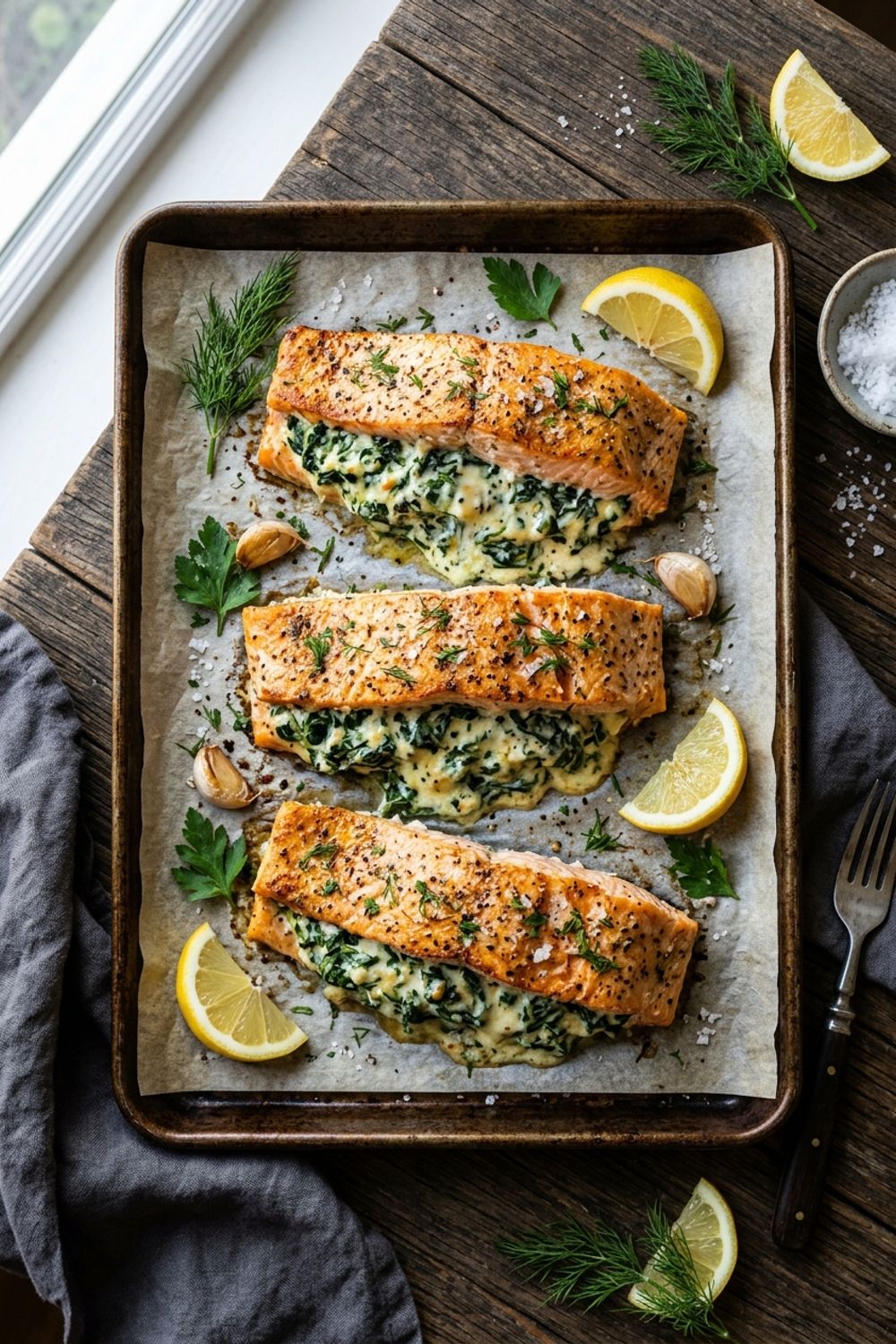
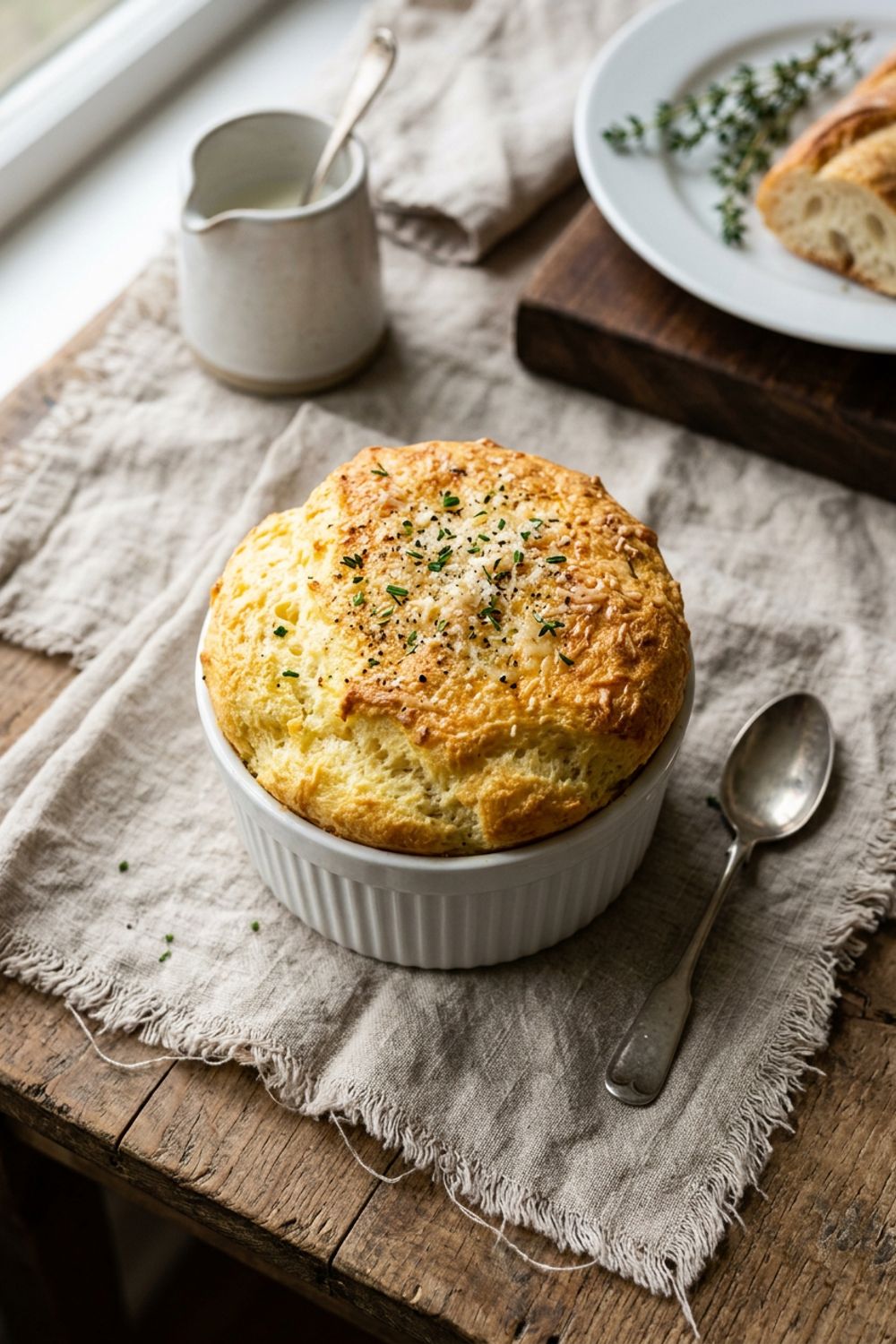
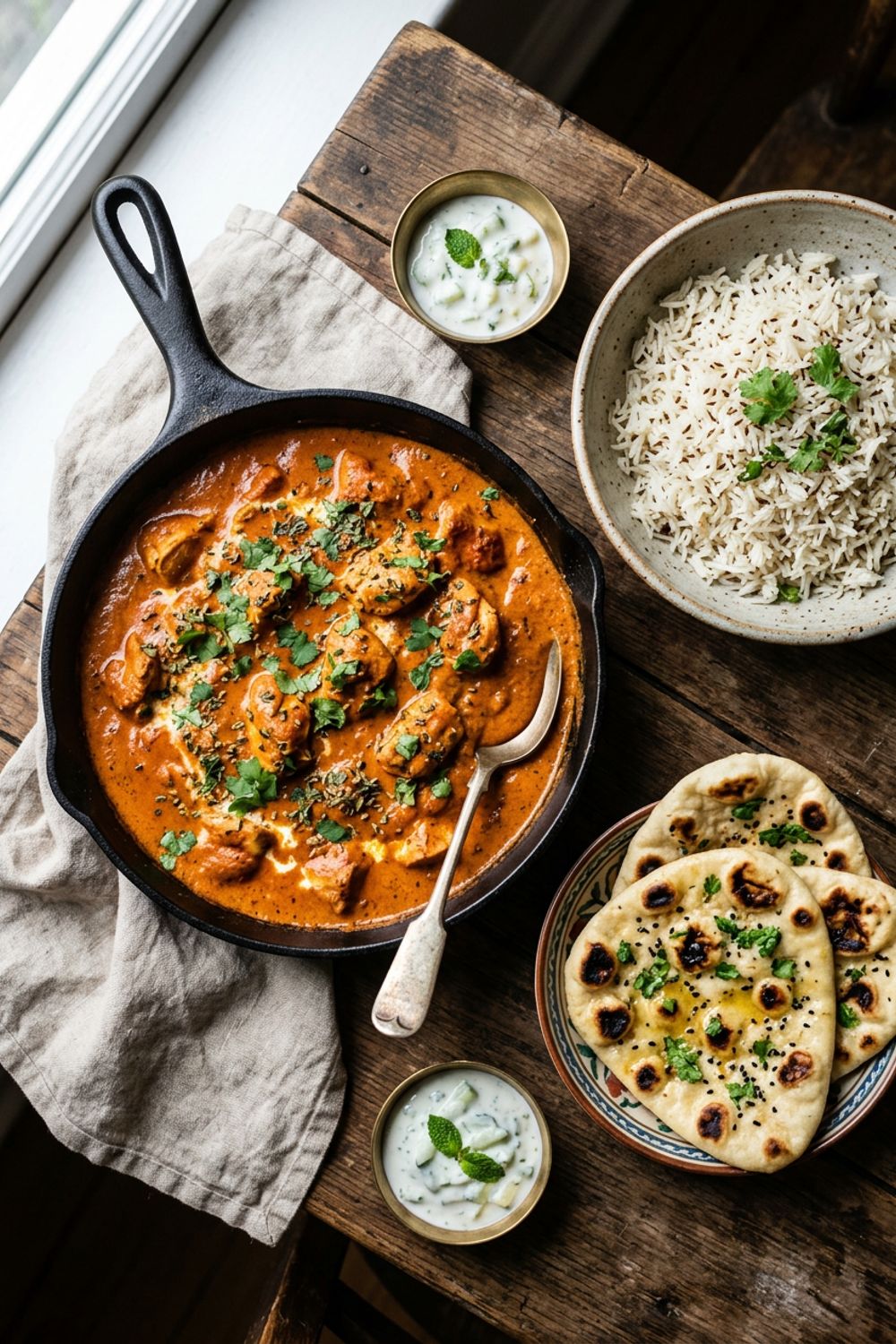
This smoked salmon chowder is the kind of recipe that I make all winter long, and it never gets old. If you love seafood soups, you might also enjoy my creamy spinach stuffed salmon for a different way to enjoy salmon, or try my cheese soufflé for an impressive French classic that is easier than you think. For a heartier dinner, my homemade butter chicken is always a crowd-pleaser.
Never Miss a Recipe
Join 5,000+ home cooks and get new recipes straight to your inbox.
Ingredients
Chowder Base
Vegetables & Salmon
Seasoning & Garnish
Instructions
- 1
Cook the Bacon
In a large Dutch oven or heavy-bottomed pot over medium heat, cook the diced bacon for 5-6 minutes, stirring occasionally, until crispy and the fat has rendered. Use a slotted spoon to transfer the bacon to a paper towel-lined plate. Leave the drippings in the pot.
- 2
Sauté the Aromatics
Add the butter to the bacon drippings and let it melt. Add the diced onion and celery, cooking for 4-5 minutes until softened and translucent. Add the minced garlic and cook for 30 seconds until fragrant.
- 3
Build the Roux
Sprinkle the flour over the vegetables and stir constantly for 1-2 minutes to cook out the raw flour taste. This roux will thicken the chowder to a velvety consistency.
- 4
Add the Liquids
Slowly pour in the chicken broth while whisking continuously to prevent lumps. Add the whole milk and heavy cream. Stir until the mixture is smooth and well combined.
- 5
Cook the Potatoes
Add the diced potatoes and bring the chowder to a gentle boil. Reduce heat to medium-low and simmer for 12-15 minutes, or until the potatoes are fork-tender.
- 6
Add Corn and Salmon
Stir in the corn kernels and hot-smoked salmon. Cook for 3-4 minutes until heated through. Gently fold in the cold-smoked salmon, being careful not to break it apart completely.
- 7
Season and Serve
Remove from heat and stir in the fresh dill, lemon juice, smoked paprika, and black pepper. Taste and adjust salt as needed. Ladle into bowls and garnish with reserved bacon, extra dill, and oyster crackers.
Nutrition Information
Per serving (serves 6). Values are approximate.
| Calories | 385 calories |
| Total Fat | 22g |
| Saturated Fat | 11g |
| Carbohydrates | 28g |
| Sugar | 5g |
| Protein | 19g |
| Sodium | 680mg |
| Fiber | 3g |
* Percent Daily Values are based on a 2,000 calorie diet. Your daily values may be higher or lower depending on your calorie needs. Nutritional information is an estimate and may vary.
Frequently Asked Questions
Can I use fresh salmon instead of smoked?
You can, but the smoky flavor is what makes this chowder special. If using fresh salmon, add 1 teaspoon of liquid smoke and season with extra smoked paprika to compensate.
How do I make this chowder dairy-free?
Replace the heavy cream with full-fat coconut milk and substitute the whole milk with oat milk. Use olive oil instead of butter. The texture will be slightly different but still delicious.
Can I freeze smoked salmon chowder?
Cream-based soups can separate when frozen. I recommend freezing only the base without the cream and salmon. When reheating, add the cream and salmon fresh for the best texture.
What is the difference between hot-smoked and cold-smoked salmon?
Hot-smoked salmon is fully cooked with a flaky texture, while cold-smoked salmon (lox) is silky and translucent. Using both creates layers of flavor and texture in the chowder.
How long does this chowder last in the fridge?
Stored in an airtight container, this chowder keeps well in the refrigerator for 3-4 days. Reheat gently over medium-low heat, stirring frequently to prevent the cream from scorching.

Hi, I'm Lisa!
I create simple, tested recipes from around the world that anyone can make at home.
Learn More →Reader Reviews
Based on 218 reviews