Quick & Easy
Prickly Pear Margarita
Why This Recipe Is Special
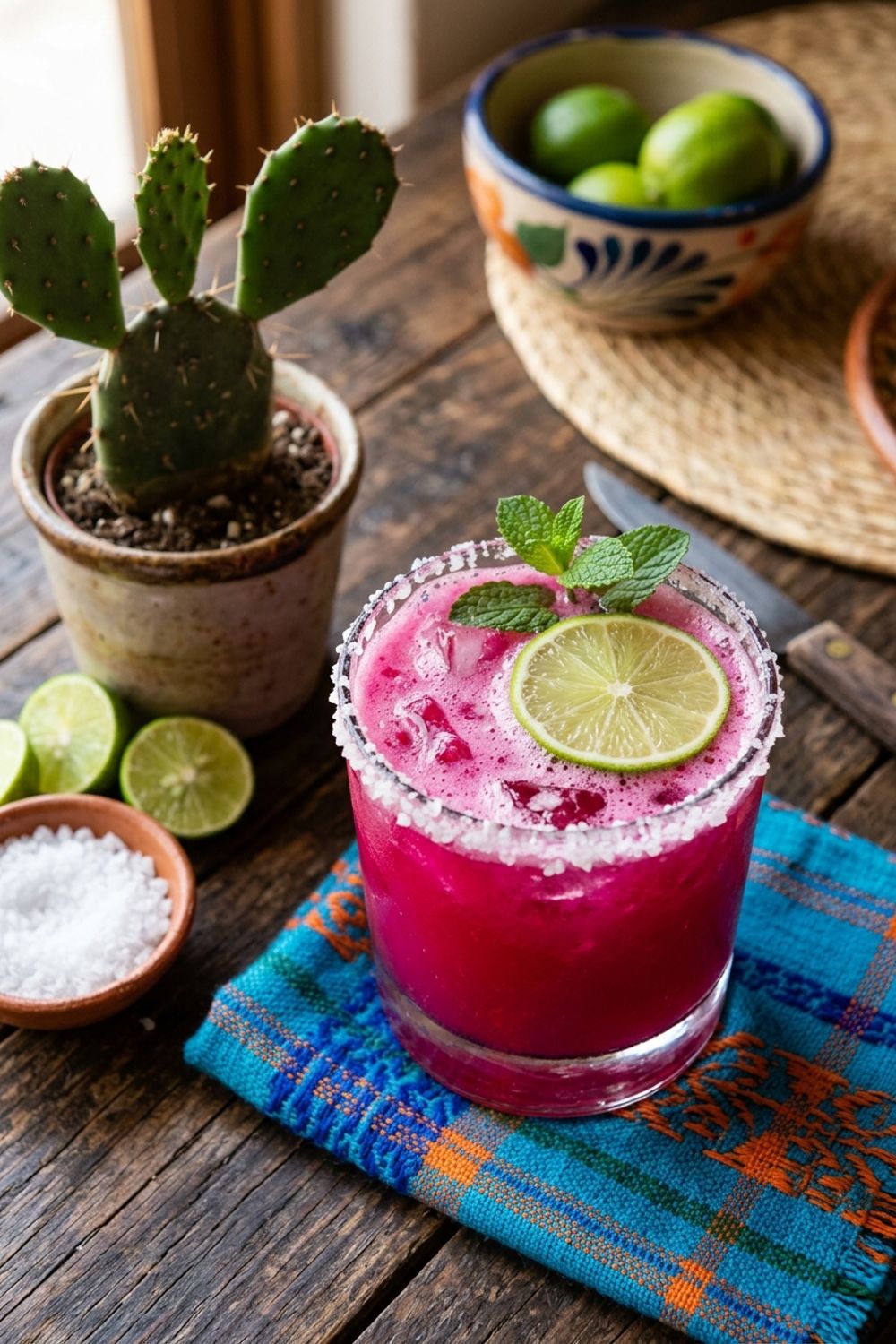
I first tasted a prickly pear margarita at a rooftop bar in Oaxaca, and the moment that vivid magenta drink arrived at my table, I knew it was going to be something special. The color alone is otherworldly — this deep, saturated pink that looks like it was designed by a painter rather than nature. But then I took a sip and realized the flavor was just as extraordinary as the appearance. Sweet but not cloying, tart from fresh lime, subtly fruity in a way that is completely unique, and with a gorgeous floral note underneath that no other fruit quite matches.
Prickly pears — known as tuna in Mexico — are the fruit of the Opuntia cactus, and they have been a cornerstone of Mexican cuisine for thousands of years. The Aztecs revered them, and they appear on the Mexican coat of arms. Despite this incredible heritage, they remain relatively unknown in most kitchens outside the American Southwest and Latin America, and I think that is a genuine shame. The flavor is unlike anything else — somewhere between watermelon, bubblegum, and raspberry, but more subtle and complex than any of those comparisons suggest.
This margarita recipe transforms prickly pears into a simple syrup that becomes the vibrant heart of the cocktail. Combined with quality tequila, freshly squeezed lime juice, and a splash of triple sec, it creates a margarita that is simultaneously more beautiful and more interesting than the classic version. I serve these at every summer gathering, and they are consistently the most photographed and most requested drink of the night.
What makes this recipe special beyond the flavor is how it connects you to a culinary tradition that stretches back millennia. There is something wonderful about knowing that the fruit in your cocktail glass has been enjoyed by people in the same region for over five thousand years. That kind of continuity between past and present, between land and table, is what food at its best is all about.
Working with Prickly Pears Safely
If you have never handled prickly pears before, the idea of preparing a cactus fruit might seem intimidating. I completely understand — they look formidable with their spines and tough exterior. But with a few simple precautions, they are actually quite easy to work with, and the reward is absolutely worth the minimal effort.
The main hazard is glochids — tiny, hair-like spines that are nearly invisible but incredibly irritating if they get into your skin. Store-bought prickly pears have usually been de-spined commercially, but some small glochids can remain. Always handle them with tongs, thick rubber gloves, or a folded kitchen towel until the skin is removed. Do not rub your eyes or face while handling them.
To peel a prickly pear, hold it with tongs and use a sharp knife to cut off both ends — about a quarter inch from each tip. Then make a single lengthwise cut through the skin, just deep enough to pierce through to the flesh. Slide your finger or knife tip under the skin and peel it away. The skin is surprisingly thin and peels off easily in one piece, revealing the vibrant flesh inside.
The flesh is soft, juicy, and filled with small, hard seeds. These seeds are edible but unpleasant in a cocktail — they are very hard and do not break down in a blender. This is why straining the syrup through a fine-mesh sieve is essential. Press firmly with the back of a spoon to extract every drop of that gorgeous colored juice. You will lose some volume to the seeds and pulp, but the strained syrup is pure, concentrated flavor.
When selecting prickly pears, look for fruit that is deep in color — magenta, dark red, or purple. Green or pale fruit is unripe and will not have the same sweetness or color intensity. The fruit should yield slightly to gentle pressure, like a ripe avocado. Avoid fruit that is mushy, wrinkled, or has visible mold.
The color of prickly pear juice is remarkably intense and will stain cutting boards, countertops, clothing, and hands. Use a surface you do not mind staining, or cover your workspace with parchment paper. The stains wash out of skin within a day but can be permanent on porous surfaces and light-colored fabrics.
Building a Balanced Cocktail
A great margarita is all about balance — the interplay between sweet, sour, bitter, and spirit. Understanding these elements helps you adjust the drink to your taste and to the specific sweetness level of your prickly pears, which varies from fruit to fruit.
The tequila is the foundation and backbone. I specify silver (blanco) tequila because its clean, agave-forward flavor lets the prickly pear shine. Reposado, which is aged in oak, adds vanilla and caramel notes that are pleasant but can compete with the subtle prickly pear flavor. Avoid gold tequila, which is typically unaged tequila with added colorings and sweeteners. Quality matters here — look for 100 percent agave on the label.
Fresh lime juice is non-negotiable. Bottled lime juice is pasteurized and oxidized, producing a flat, one-dimensional sourness. Fresh lime juice is bright, aromatic, and complex, with floral notes that complement the prickly pear beautifully. Squeeze your limes right before mixing — the juice begins losing its vibrancy within hours.
Triple sec provides a sweet, orange-flavored bridge between the tequila and the fruit. Cointreau is the gold standard — it has a clean, balanced orange flavor without the cloying sweetness of cheaper alternatives. Grand Marnier adds an additional layer of cognac richness if you prefer a more complex drink.
The prickly pear syrup is where the magic lives. Making your own syrup allows you to control the sweetness level — some prickly pears are sweeter than others, and you can adjust the sugar accordingly. A good ratio to start with is equal parts sugar and water (a simple syrup) cooked with the fruit. Taste the finished syrup and add more sugar if the fruit was particularly tart.
The ratio I use — 6 oz tequila, 3 oz lime, 2 oz triple sec, 4 oz prickly pear syrup for four drinks — leans slightly toward the tart side, which I find the most refreshing. If you prefer sweeter drinks, add an extra ounce of syrup. If you like them drier, reduce the syrup to 3 ounces and increase the lime to 4.
Tips for Perfect Results
Shake hard and shake long. A proper cocktail shake is not a gentle back-and-forth — it is a vigorous, full-body motion for a full 15-20 seconds. Hard shaking breaks the ice into small chips that chill the drink faster and add a silky, slightly frothy texture. The shaker should feel painfully cold on the outside when the drink is properly chilled.
Use fresh ice in the glasses. The ice in your shaker has been broken down and has started melting, so it will dilute your drink quickly if you pour it into the glass with the cocktail. Strain into glasses filled with fresh, large ice cubes. Larger cubes melt slower, keeping your drink cold without over-diluting it.
Make the syrup ahead. Prickly pear syrup keeps in the refrigerator for up to two weeks and is actually more flavorful after resting for a day. Make a batch on the weekend and you have margaritas ready to go for any spontaneous gathering. The syrup is also delicious in lemonade, sparkling water, yogurt, and over vanilla ice cream.
Rim only half the glass. This is a bartending trick I love — dip only the outer half of the rim in salt, leaving the inner half clean. This gives you the option of tasting the drink with or without the salt rim in every sip, depending on where you place your lips. It also prevents salt from falling into the drink and making it overly salty.
Taste and adjust before pouring. After shaking, pour a small taste through the strainer. Check the balance — is it too sweet, too sour, too strong? You can add a splash more lime juice, a spoonful more syrup, or a splash of water right in the shaker and give it one more quick shake. This quality check takes 5 seconds and can save an entire batch.
Invest in proper glassware. A prickly pear margarita is as much a visual experience as a flavor one. Serve it in clear, stemmed margarita glasses or short, wide-mouth tumblers that show off that incredible magenta color. Tall, narrow glasses hide the color, and dark or opaque glasses eliminate the visual entirely.
Variations to Try
Spicy Prickly Pear Margarita. Muddle 2-3 thin slices of jalapeño in the shaker before adding the other ingredients. The gentle heat of the pepper against the sweet-tart prickly pear is an incredible combination. For more heat, leave the seeds in. For less, remove them. You can also infuse your tequila with jalapeño slices for 2-4 hours and use that for an even more integrated spice.
Frozen Prickly Pear Margarita. Blend all margarita ingredients with 2 cups of ice until slushy and smooth. The frozen version is even more visually stunning because the color becomes opaque and creamy. Serve in tall glasses with a colorful straw. Add a splash more syrup than the shaken version since cold dulls sweetness perception.
Prickly Pear Paloma. Replace the triple sec with grapefruit juice (3 oz per batch) and top each glass with a splash of sparkling mineral water. The grapefruit and prickly pear combination is refreshing and lighter than the classic margarita version. Garnish with a grapefruit wedge.
Prickly Pear Mezcal Margarita. Replace half the tequila with mezcal for a smoky variation that is deeply complex. Mezcal’s earthy, smoky flavor pairs beautifully with the sweet, floral prickly pear. This version is for cocktail enthusiasts who appreciate bolder, more nuanced drinks.
Virgin Prickly Pear Agua Fresca. Combine the prickly pear syrup with sparkling water, fresh lime juice, and a splash of orange juice for a gorgeous non-alcoholic refresher that everyone can enjoy. Serve in a large pitcher with ice and lime slices for a stunning brunch or summer party drink.
Entertaining with Prickly Pear Margaritas
This cocktail is tailor-made for entertaining, and I have served it at everything from casual backyard gatherings to more formal dinner parties. The stunning magenta color is an instant conversation starter — people see it and immediately want to know what they are drinking. It sets a festive, celebratory tone before anyone even takes a sip.
For a party of 8-10 people, I triple the syrup recipe and make it the day before. I also juice all the limes in advance and store the juice in the refrigerator. When guests arrive, everything is ready for quick assembly. I set up a small margarita station with the pre-made syrup, lime juice, tequila, triple sec, a bucket of ice, salt-rimmed glasses, and garnishes. Guests can either make their own or I shake them to order — either approach works and both feel special.
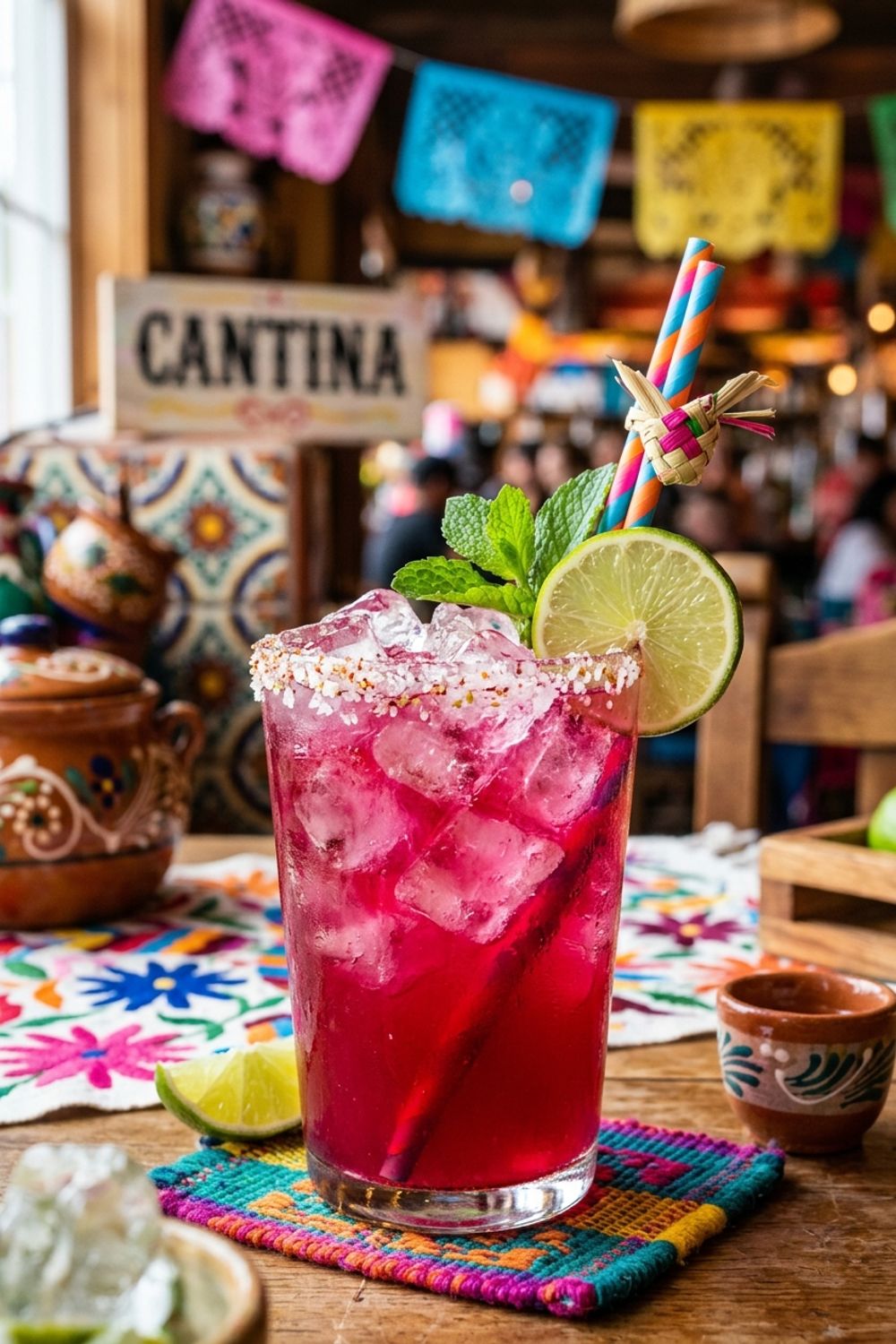
A beautiful presentation detail that takes almost no effort: freeze small pieces of prickly pear flesh into ice cubes. They look like glowing gems in the glass and slowly release additional flavor and color as they melt. Combine this with the salt rim and a lime wheel, and you have the most photogenic cocktail at any gathering.
How to Store
Prickly pear syrup is the only component worth storing in advance, and it keeps beautifully. Pour the strained, cooled syrup into a clean glass jar or bottle and refrigerate for up to 2 weeks. The color may darken slightly over time, but the flavor remains excellent. Shake or stir before using, as some natural sediment may settle at the bottom.
For longer storage, the syrup freezes well for up to 3 months. Freeze it in ice cube trays for convenient portions — each cube is roughly 1 ounce, perfect for cocktails. Pop frozen cubes into a zip-lock bag once solid and grab them as needed.
Mixed margaritas should be served immediately for the best flavor and texture. If you must batch-mix for a party, combine everything except the ice in a pitcher and refrigerate for up to 4 hours. Shake individual portions with ice when guests arrive — this keeps the drink from becoming diluted.
Whole prickly pears keep at room temperature for 2-3 days or in the refrigerator for up to a week. Once peeled, the flesh should be used immediately or frozen — it oxidizes quickly and loses its vibrant color at room temperature.
Troubleshooting
Syrup is not vibrant enough. The prickly pears may have been underripe. Choose deeply colored fruit — the darker the skin, the more vivid the juice. Adding a tiny pinch of beet powder can boost the color without affecting flavor, though properly ripe prickly pears should produce an intensely magenta syrup on their own.
Margarita is too sweet. Add more fresh lime juice, half an ounce at a time. You can also add a splash of sparkling water to lighten the sweetness. For future batches, reduce the sugar in your syrup or use less syrup per drink. Prickly pear sweetness varies significantly between individual fruits, so tasting and adjusting is always important.
Drink tastes watery. The ice diluted it too much, either from over-shaking or from using crushed ice, which melts rapidly. Use large, solid ice cubes for shaking, and shake for no more than 20 seconds. Straining into fresh ice also helps, since the shaking ice has already started melting.
Seeds got into the drink. Your straining was not thorough enough. Use a fine-mesh sieve rather than a cocktail strainer for the syrup, and consider double-straining through cheesecloth if the sieve does not catch the smallest seeds. Prickly pear seeds are very hard and unpleasant to bite into, so thorough straining is essential.
This prickly pear margarita is the cocktail that makes people stop mid-conversation and say “what is THAT?” The color alone demands attention, and the flavor delivers on the promise. It is a celebration of Mexican culinary heritage, a showcase for an incredible but underappreciated fruit, and quite simply one of the most beautiful drinks you will ever make.
Never Miss a Recipe
Join 5,000+ home cooks and get new recipes straight to your inbox.
Ingredients
Prickly Pear Syrup
Margarita
Rim and Garnish
Instructions
- 1
Prepare the Prickly Pears
Using tongs and a sharp knife, cut both ends off each prickly pear. Make a lengthwise slit through the skin and peel it away — it comes off easily in one piece. Wear gloves or use a towel to handle the fruit, as the skin may have tiny, nearly invisible spines (glochids) that can irritate skin. Roughly chop the peeled flesh.
- 2
Make the Prickly Pear Syrup
Combine the sugar and water in a small saucepan over medium heat, stirring until the sugar dissolves. Add the chopped prickly pear flesh and simmer for 8-10 minutes, mashing gently with a fork or muddler. The mixture will turn a vivid magenta. Remove from heat, add the lime juice, and strain through a fine-mesh sieve into a bowl, pressing firmly to extract all the liquid. Discard the seeds and pulp. Let the syrup cool completely.
- 3
Prepare the Glasses
Spread the salt (or Tajín, or a salt-chili powder mix) on a small plate. Run a lime wedge around the rim of each glass to moisten it, then dip the rim into the salt mixture, rotating to coat evenly. Fill the glasses with fresh ice.
- 4
Mix the Margaritas
In a cocktail shaker filled with ice, combine the tequila, fresh lime juice, triple sec, and prickly pear syrup. Shake vigorously for 15-20 seconds until the shaker is frosty cold on the outside. You should hear the ice cracking and the liquid sloshing freely.
- 5
Strain and Serve
Strain the margarita through the shaker's built-in strainer (or use a Hawthorne strainer) into the prepared glasses over fresh ice. The color should be a stunning, deep magenta-pink.
- 6
Garnish
Garnish each glass with a lime wheel on the rim. For extra visual impact, add a thin slice of prickly pear or a small edible flower. Serve immediately.
Nutrition Information
Per serving (serves 4). Values are approximate.
| Calories | 195 calories |
| Total Fat | 0g |
| Saturated Fat | 0g |
| Carbohydrates | 22g |
| Sugar | 18g |
| Protein | 1g |
| Sodium | 290mg |
| Fiber | 1g |
* Percent Daily Values are based on a 2,000 calorie diet. Your daily values may be higher or lower depending on your calorie needs. Nutritional information is an estimate and may vary.
Frequently Asked Questions
Where can I find prickly pears?
Prickly pears (also called cactus fruit or tuna) are available at Mexican grocery stores, Whole Foods, and many regular supermarkets, especially in the southwestern United States and during late summer through fall when they are in peak season. They are also common in Mediterranean and Middle Eastern markets. Look for fruit that is deep magenta or red-purple with firm but slightly yielding flesh.
Can I use store-bought prickly pear syrup?
Yes. Several brands make prickly pear syrup — Cheri's Desert Harvest and Prickly Pear Cactus Candy Company are popular options. Use the same amount called for in the recipe. Homemade syrup gives you control over sweetness and produces a more vibrant color, but store-bought is a perfectly good shortcut.
Can I make this as a frozen margarita?
Absolutely. Blend all the margarita ingredients with 2 cups of ice in a blender until slushy. The frozen version is even more stunning because the magenta color becomes opaque and creamy. You may need slightly more syrup since cold dulls sweetness perception.
What is a non-alcoholic version?
Replace the tequila with sparkling water or a non-alcoholic tequila alternative, and replace the triple sec with an extra tablespoon of fresh orange juice and a teaspoon of orange zest. The prickly pear syrup and lime are so flavorful that the mocktail version is genuinely delicious on its own.

Hi, I'm Lisa!
I create simple, tested recipes from around the world that anyone can make at home.
Learn More →Reader Reviews
Based on 312 reviews