World Cuisine
Pommes Anna — Classic French Potato Cake
Why Pommes Anna Is the Most Elegant Way to Serve Potatoes
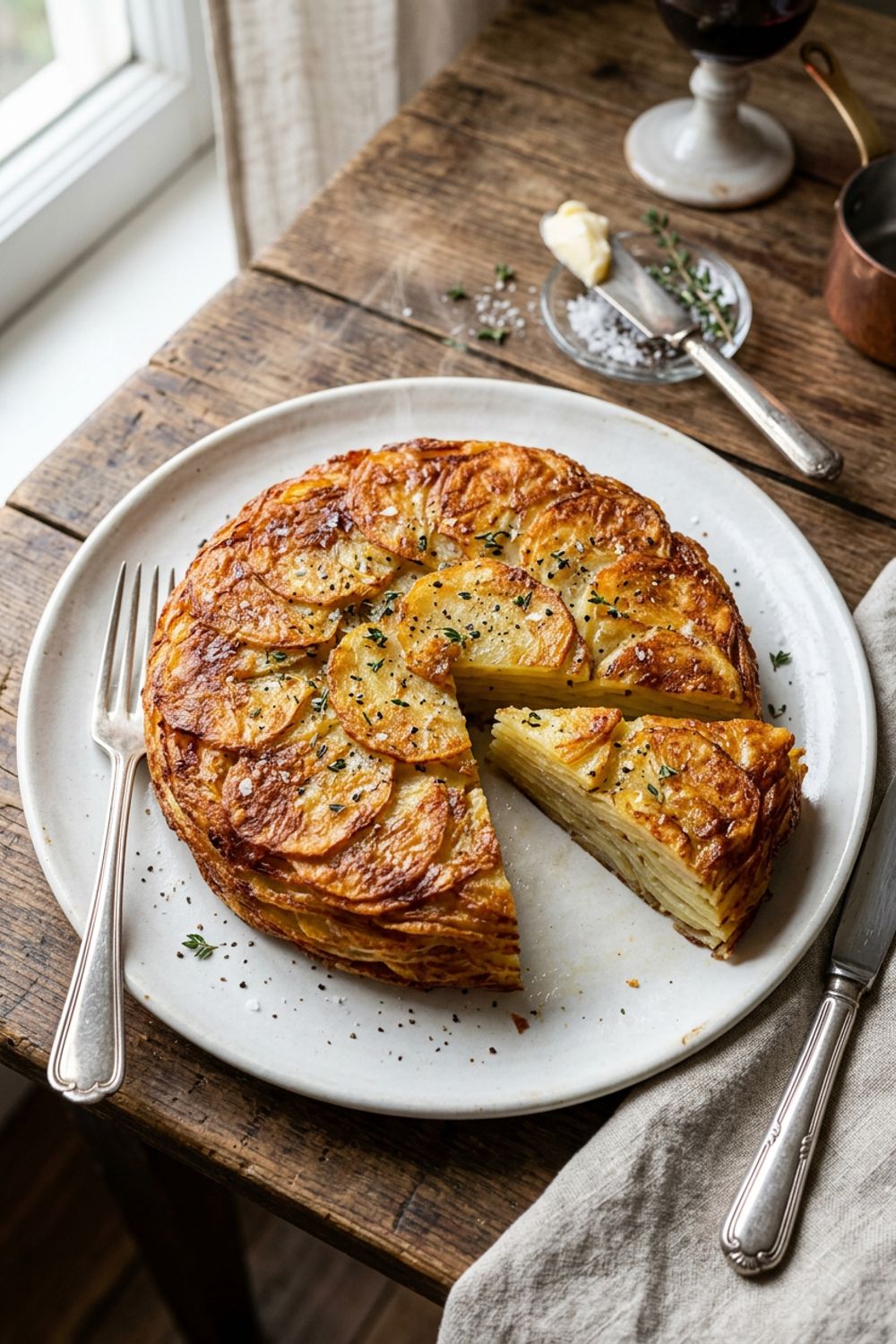
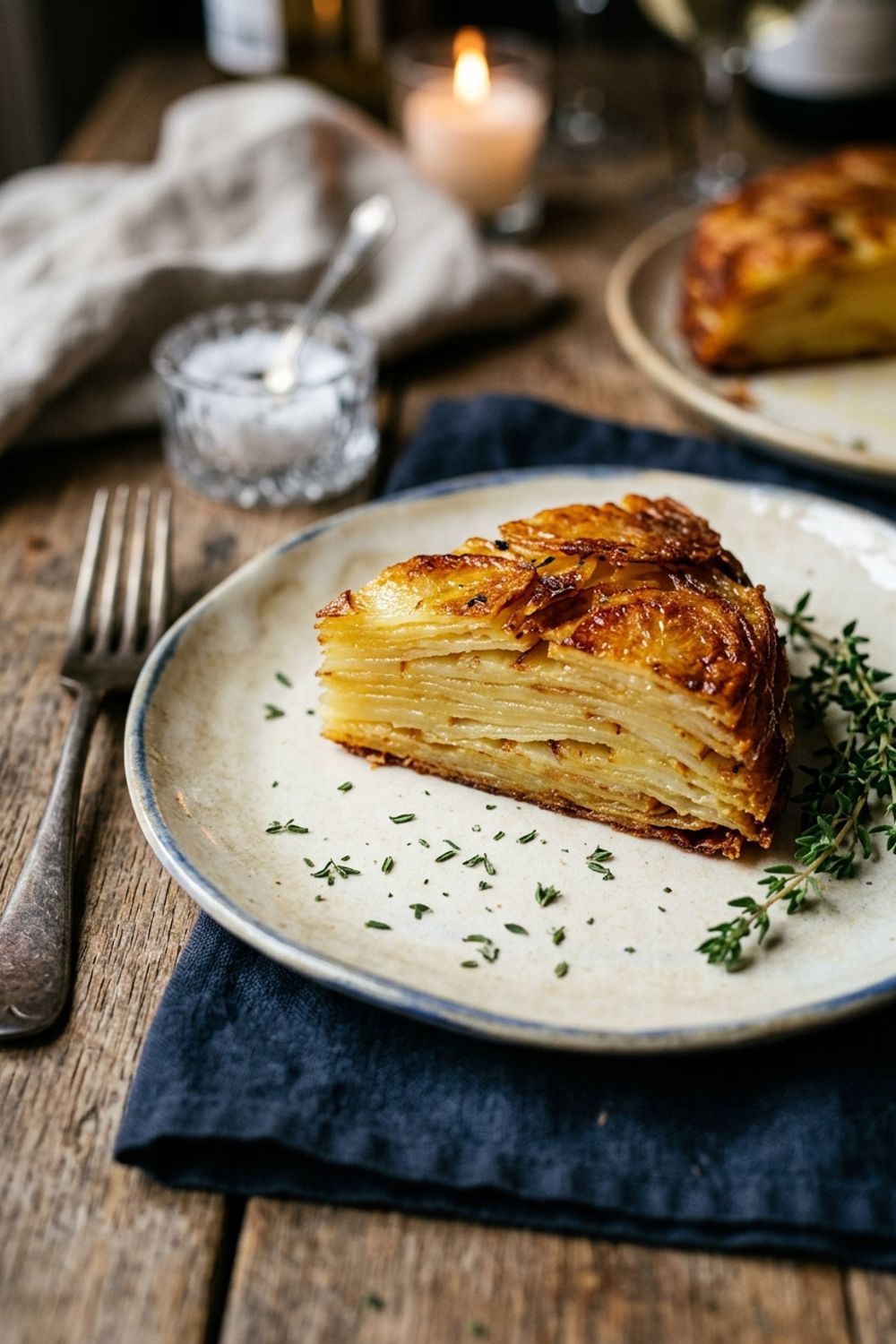
There is a moment, when you invert a perfectly cooked pommes Anna onto a plate and see that shatteringly golden, burnished top — an impossibly uniform dome of caramelized potato held together by nothing but butter and precision — that makes you feel like a genuine French chef. I will never forget the first time I achieved this moment. I was standing in my small apartment kitchen, heart pounding, plate pressed over the cast iron skillet, and when I flipped it over and lifted the pan, there it was: a golden masterpiece that looked like it belonged in a Parisian bistro. I may have actually gasped out loud.
Pommes Anna is one of the great classics of French cuisine, created in the mid-19th century by the legendary chef Adolphe Dugléré at the Café Anglais in Paris. Named after Anna Deslions, a famous Parisian courtesan, this dish transforms the humblest of ingredients — potatoes and butter — into something that would not be out of place at a Michelin-starred restaurant. The concept is beautifully simple: paper-thin potato slices are layered in concentric circles with clarified butter, then baked until the exterior becomes golden and impossibly crispy while the interior turns soft and creamy.
What I love most about this recipe is how it defies the expectations set by its simple ingredient list. With just potatoes, butter, salt, and a few herbs, you create a dish that is complex in texture, rich in flavor, and absolutely stunning in presentation. The top is shattering and caramelized, the middle layers are soft and almost custard-like, and the bottom (which becomes the top when inverted) has a buttery sheen that catches the light beautifully. It is the kind of side dish that steals the show from whatever main course you are serving.
I make pommes Anna for every special occasion — Thanksgiving, Christmas, dinner parties, anniversary dinners — and it consistently receives more compliments than anything else on the table. People are genuinely amazed that something so elegant is made from such basic ingredients. The technique is not difficult, but it does require patience and attention to detail, which I think is part of what makes the final result so satisfying. You earn that golden masterpiece through careful slicing, methodical layering, and the trust to flip the whole thing onto a plate.
The Critical Importance of Proper Potato Preparation
The success of pommes Anna begins long before the oven preheats — it starts with choosing the right potatoes and preparing them with surgical precision. Yukon Gold potatoes are my unwavering choice for this recipe because they have the ideal balance of starch and moisture. High-starch potatoes like Russets have a tendency to fall apart between the layers, while low-starch waxy potatoes do not develop the same crispy, golden crust. Yukon Golds split the difference beautifully, holding their shape while still crisping gorgeously on the outside.
Slicing thickness is absolutely critical, and this is where a mandoline slicer becomes not just helpful but essentially mandatory. The slices need to be uniformly thin — between 1/16 and 1/8 inch — so that every layer cooks at the same rate. Even small variations in thickness can result in some slices remaining crunchy and raw while others turn to mush. I set my mandoline to the second-thinnest setting and make smooth, confident passes, using the hand guard without exception. Mandoline injuries are no joke, and they will definitely ruin your dinner party.
After slicing, the potatoes go immediately into a bowl of cold water to prevent oxidation. Browning potato slices might seem like a cosmetic issue, but oxidized potatoes can develop an off flavor and do not caramelize as beautifully during baking. The cold water also rinses off excess surface starch, which would otherwise make the layers gummy. The crucial final step before assembly is drying the slices thoroughly — I spread them on clean kitchen towels and blot them gently but firmly. Water is the enemy of crispiness, and even a small amount of residual moisture on the slices will prevent them from crisping properly in the butter.
Mastering the Art of Clarified Butter
Clarified butter is the unsung hero of pommes Anna, and understanding why it is essential will help you appreciate its role in the recipe. Regular butter contains about 80 percent fat, 15 percent water, and 5 percent milk solids. When heated to high temperatures, the milk solids burn and create bitter, dark spots on whatever you are cooking. Clarified butter has had these milk solids removed, leaving pure butterfat that can withstand temperatures up to 450 degrees Fahrenheit without burning.
The clarification process is wonderfully simple but requires patience. I melt the butter very slowly over low heat, allowing it to separate naturally into three distinct layers: a white foam on top (whey proteins), a clear golden liquid in the middle (pure butterfat), and white sediment on the bottom (casein). The key is never to stir the butter or increase the heat, as both actions would remix the components. After about 8 minutes of gentle simmering, I skim the foam with a spoon, then carefully pour the golden liquid through a fine strainer, stopping before the bottom sediment flows out.
The resulting clarified butter has a clean, pure butter flavor that is more intense than regular butter because you have removed the diluting water and proteins. It also has a higher smoke point, which means it can create a crispier, more golden crust on the potato layers without any risk of burning. I always make slightly more than the recipe calls for because it keeps in the refrigerator for weeks and is incredibly useful for sautéing, searing, and any high-heat cooking application.
Tips for Building a Perfect Pommes Anna
Create an Impeccable First Layer. The bottom layer of potatoes in the pan becomes the top when you invert the finished dish, so it deserves extra attention and care. I arrange the first layer in a precise overlapping spiral, starting from the center and working outward in concentric circles, with each slice overlapping the previous one by about half. This creates the beautiful rosette pattern that makes pommes Anna so visually striking. Take your time with this layer — the subsequent layers can be more casual since they will be hidden.
Press Down Firmly and Often. Throughout the layering process and during baking, pressing the potatoes down compacts the layers and ensures good contact between slices, which helps them stick together into a cohesive cake rather than falling apart when sliced. I press down after every second layer during assembly and again every 15 minutes during baking. Some recipes call for weighting the potatoes with a plate or another pan during the first part of baking, which is an excellent technique if your pan allows it.
Season Every Single Layer. The interior of pommes Anna can taste bland if you only season the outside. I sprinkle a pinch of salt, a grind of pepper, a few thyme leaves, and a whisper of nutmeg on every other layer, ensuring that flavor permeates the entire cake from top to bottom. The nutmeg is a classic French addition that adds a subtle warmth and complexity that most people cannot identify but definitely notice when it is missing.
Do Not Skip the Stovetop Start. The 5 to 7 minutes of stovetop cooking before the skillet goes into the oven gives the bottom layer a crucial head start on crisping. Without this step, the bottom often remains pale and slightly soggy even after a full 45 minutes of baking. You should hear a gentle sizzle and see the edges of the potatoes turning golden before you transfer to the oven. This technique is the same one used in tarte Tatin and is essential for achieving that signature golden crust.
Trust the Flip. The inversion moment is admittedly nerve-wracking, but confidence is key. Place a large, flat plate firmly over the top of the skillet, then in one swift, decisive motion, flip the whole thing over. Hesitation allows the potato cake to slide and break apart. If a few slices stick to the pan, simply lift them with a spatula and arrange them back into place on the cake — butter is forgiving, and small repairs will not be visible once the dish is on the table.
Variations to Try
Pommes Anna with Gruyère. For a richer version, sprinkle a thin layer of finely grated Gruyère cheese between every third potato layer. The cheese melts into the butter and creates little pockets of nutty, salty flavor throughout the cake. Use about 1 cup of cheese total and reduce the salt slightly to account for the cheese’s saltiness. This variation is particularly stunning with roasted chicken or a simple green salad.
Herbed Pommes Anna. Instead of just thyme, create an herb butter by mixing finely chopped rosemary, thyme, chives, and a little garlic into the clarified butter before brushing it onto the layers. The herbs become crispy and fragrant during baking, adding another dimension of flavor and a beautiful speckled appearance when you slice into the cake. This herbaceous version pairs wonderfully with lamb or beef.
Truffle Pommes Anna. For a truly luxurious version, add a drizzle of truffle oil between every few layers and finish the inverted cake with an additional drizzle and a few shavings of black truffle. The earthy, musky truffle aroma combined with the buttery potatoes is one of the most decadent flavor pairings in French cuisine. This variation turns a side dish into a main event and is perfect for a special celebration.
Sweet Potato Pommes Anna. Replace half the Yukon Gold potatoes with peeled sweet potatoes for a colorful twist that alternates golden and orange layers. The natural sweetness of the sweet potatoes contrasts beautifully with the buttery, savory regular potatoes. Add a pinch of cinnamon to the seasoning mix for an autumnal version that is stunning on a Thanksgiving table alongside turkey and cranberry sauce.
How to Store and Serve
Pommes Anna is at its absolute best served immediately out of the oven, while the crust is at peak crispiness and the interior is molten and buttery. However, I understand that timing a complex meal can be challenging, and the good news is that pommes Anna holds reasonably well for up to 30 minutes in a warm oven (set to 200 degrees Fahrenheit) covered loosely with foil. The crust will soften slightly but will still be golden and delicious.
Leftover pommes Anna can be stored in the refrigerator, covered, for up to 2 days. To reheat, cut into wedges and place on a baking sheet in a 400-degree oven for 10 to 12 minutes until heated through and the exterior has re-crisped. You can also pan-fry leftover wedges in a bit of butter over medium heat, which creates a wonderful secondary crust that is almost as good as the original. I do not recommend freezing pommes Anna, as the high water content of the potatoes causes the texture to become mealy and unpleasant after thawing.
Troubleshooting Your Pommes Anna
If your potato cake falls apart when inverted, the most likely cause is insufficient butter between the layers. The butter acts as both the crisping agent and the glue that holds the layers together. Make sure every layer gets a generous brush of clarified butter, especially the first and last layers. Another common cause is under-baking — the potatoes need a full 45 minutes in the oven for the starches to set and bind the layers together. If in doubt, bake for an extra 5 minutes.
If the bottom is burned while the interior is still raw, your oven temperature is too high or the stovetop searing went too long. I have found that 425 degrees Fahrenheit is the sweet spot for most ovens, but if yours runs hot, reduce to 400 degrees. Also ensure the stovetop step does not exceed 7 minutes — you want golden, not dark brown, before it goes into the oven.
If the potatoes are cooked through but the exterior is pale and soft rather than golden and crispy, the most common cause is too much moisture in the potato slices. Make sure to dry them thoroughly after soaking, and ensure you are using clarified butter rather than regular butter (the water content in regular butter steams the potatoes rather than crisping them). Increasing the oven temperature to 450 degrees for the last 10 minutes of baking can also help develop a deeper crust.
This French pommes Anna is one of those recipes that I return to again and again because it never fails to impress. For more elegant dishes that pair beautifully alongside it, try my Traditional Greek Moussaka or my Homemade Butter Chicken. And for a show-stopping dessert to follow, my Chocolate Lava Cake makes the perfect finale.
Never Miss a Recipe
Join 5,000+ home cooks and get new recipes straight to your inbox.
Ingredients
Potato Layers
For Clarifying Butter
Garnish
Instructions
- 1
Clarify the Butter
Melt 10 tablespoons of butter in a small saucepan over low heat. Let it simmer gently for 5-8 minutes without stirring until the milk solids sink to the bottom and the foam rises to the top. Carefully skim off the white foam with a spoon. Pour the clear golden liquid through a fine-mesh strainer or cheesecloth into a bowl, leaving the white milk solids behind. You should have about 8 tablespoons of clarified butter.
- 2
Prepare the Potatoes
Peel the potatoes and slice them into paper-thin rounds, about 1/16 to 1/8 inch (2-3mm) thick. A mandoline slicer is essential for achieving consistent, ultra-thin slices. Keep the sliced potatoes in a bowl of cold water to prevent browning. Just before assembling, drain and pat completely dry with clean kitchen towels — any moisture will prevent crisping.
- 3
Prepare the Pan
Preheat the oven to 425°F (220°C). Generously brush a 10-inch oven-safe skillet (cast iron works perfectly) with clarified butter, coating the bottom and sides thoroughly. This initial layer of butter is what creates the gorgeous golden crust that defines pommes Anna.
- 4
Build the Layers
Arrange the first layer of potato slices in a tight, overlapping spiral pattern on the bottom of the pan, starting from the center and working outward. This bottom layer will become the beautiful top when the dish is inverted, so make it as neat as possible. Brush with clarified butter, season with salt, pepper, nutmeg, and a few thyme leaves. Continue layering potatoes, butter, and seasonings until all the potatoes are used — you should have 8-10 layers. Press down firmly on each layer with a spatula.
- 5
Start on the Stovetop
Place the skillet over medium heat and cook for 5-7 minutes until you can hear the bottom layer sizzling and crisping. Press the potatoes down firmly with a spatula or a plate that fits inside the skillet. The edges should start to turn golden brown. This stovetop start gives the bottom layer a head start on crisping before the oven takes over.
- 6
Bake and Serve
Transfer the skillet to the preheated oven and bake for 40-45 minutes, pressing down with a spatula every 15 minutes. The pommes Anna is done when the edges are deeply golden brown and a knife inserted in the center meets no resistance. Remove from the oven, let rest for 5 minutes, then place a large plate over the skillet and quickly invert. The potato cake should release in one piece, revealing a gorgeous golden-brown top. Garnish with flaky sea salt and fresh thyme sprigs. Cut into wedges and serve immediately.
Nutrition Information
Per serving (serves 6). Values are approximate.
| Calories | 290 calories |
| Total Fat | 16g |
| Saturated Fat | 10g |
| Carbohydrates | 34g |
| Sugar | 2g |
| Protein | 4g |
| Sodium | 420mg |
| Fiber | 3g |
* Percent Daily Values are based on a 2,000 calorie diet. Your daily values may be higher or lower depending on your calorie needs. Nutritional information is an estimate and may vary.
Frequently Asked Questions
Why do I need to use clarified butter instead of regular butter?
Clarified butter has had the milk solids removed, which means it can withstand the high oven temperature without burning. Regular butter would scorch at 425°F, leaving dark, bitter spots on your potatoes. Clarified butter also creates a crisper, more golden crust. If you don't want to clarify butter yourself, ghee is an excellent ready-made alternative.
Do I really need a mandoline slicer?
While you can technically slice the potatoes by hand with a very sharp knife, a mandoline is strongly recommended. The key to pommes Anna is perfectly uniform, paper-thin slices that cook evenly and create defined layers. Uneven slices result in some pieces being undercooked while others are overdone. An inexpensive mandoline will pay for itself with this recipe alone.
What if my potato cake sticks to the pan?
If the cake doesn't release when inverted, don't panic. Run a thin spatula around the edges and gently underneath the bottom. If large sections are stuck, leave it in the pan and serve it 'rustic style' with the crispy bottom facing up — it will still taste incredible. To prevent sticking, ensure the pan is very generously buttered and that the stovetop step achieves proper crisping.
Can I prepare this in advance?
You can slice the potatoes and keep them in cold water for up to 2 hours. However, the assembled dish should be cooked immediately — if the layers sit too long before cooking, the potatoes oxidize and release starch that can make the layers gummy instead of crispy. Pommes Anna is best served straight from the oven.

Hi, I'm Lisa!
I create simple, tested recipes from around the world that anyone can make at home.
Learn More →Reader Reviews
Based on 89 reviews