Chicken & Poultry
Honey Garlic Chicken Bites
Why This Recipe Is Special
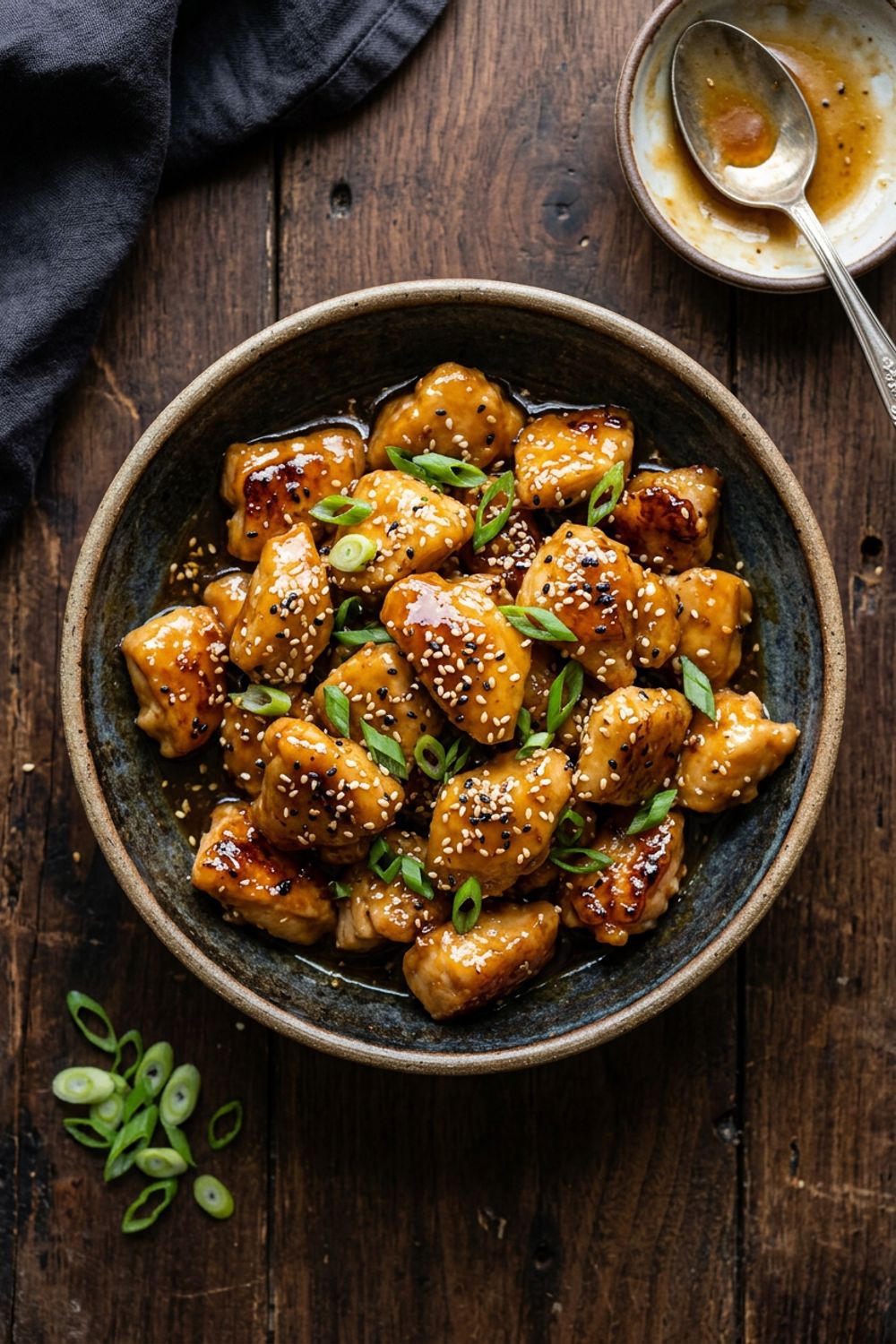
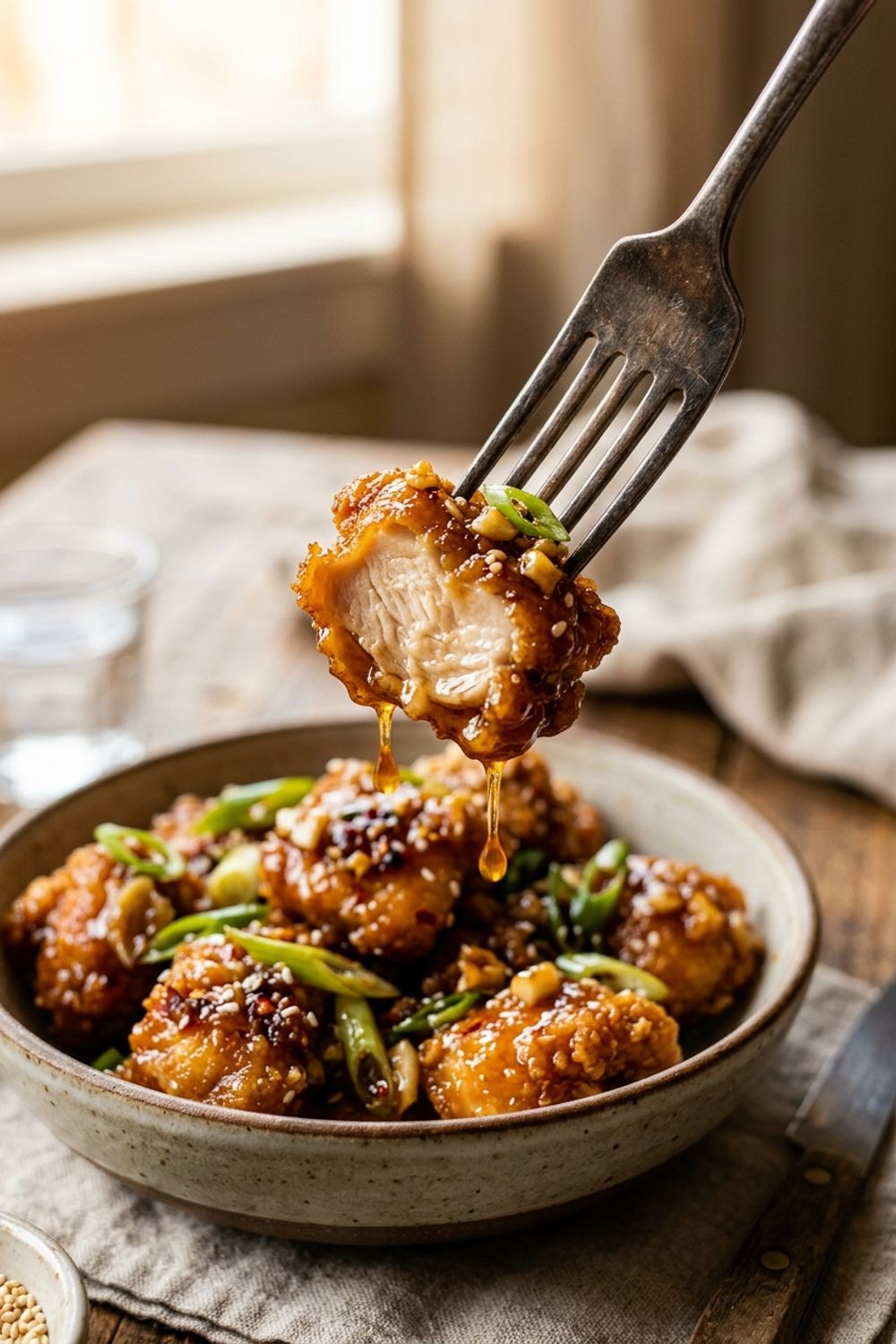
I have a confession: I am completely, hopelessly addicted to honey garlic chicken bites. I first made them on a whim when I was craving Chinese takeout but did not feel like ordering in, and they turned out so ridiculously good that I have been perfecting the recipe ever since. These little golden nuggets of joy are everything great about sticky, sweet Asian-style chicken — crispy on the outside, juicy on the inside, and coated in a sauce so good you will want to drink it straight.
What makes my version special is the double-starch coating technique. I use both all-purpose flour and cornstarch in the breading mixture, which creates a coating that is significantly crispier than flour alone. The cornstarch absorbs less oil and creates a lighter, crunchier shell that stays crispy even after being tossed in the sauce. It is the same technique used in Korean fried chicken, and it is a total game-changer for any fried chicken application.
The honey garlic sauce is where the real magic happens, though. Most recipes just mix honey and soy sauce together, but I add fresh ginger, rice vinegar, sesame oil, and a thickening agent to create a sauce that is layered, balanced, and impossibly glossy. The ginger adds warmth, the rice vinegar provides brightness that keeps the sweetness from being cloying, and the sesame oil contributes that unmistakable nutty aroma that makes the whole plate smell like a high-end Asian restaurant. These chicken bites disappear within minutes at every gathering I bring them to, and I guarantee they will become one of your most-requested recipes too.
Mastering the Double-Starch Coating
The coating on these chicken bites is what separates them from ordinary fried chicken, and understanding why it works will make you a better cook across the board. Traditional fried chicken uses flour as the primary coating, which creates a satisfying crunch but absorbs a lot of oil and tends to go soft relatively quickly. By replacing half the flour with cornstarch, I get the best of both worlds.
Cornstarch is a pure starch with no protein or gluten, which means it fries up incredibly light and shatteringly crispy. The flour contributes structure and a slightly more substantial texture, plus its gluten content helps the coating adhere to the chicken. Together, they create a coating that is crispy, light, and remarkably durable — it holds up much better than pure flour even after the sauce goes on.
The dipping process matters too. Egg first, then the flour-cornstarch mixture. The egg acts as a glue layer between the raw chicken and the coating, ensuring the breading sticks firmly. I press the coating onto each piece gently but firmly, then shake off any loose excess. Loose flour drops into the oil and burns, creating dark specks and an off taste.
After coating all the chicken pieces, I let them rest on a wire rack for about 5 minutes before frying. This short rest allows the coating to set and adhere more firmly, which prevents it from falling off in the oil. It is a small detail, but it makes a noticeable difference in the final product. Skip this step and you will find chunks of breading floating in your frying oil instead of staying on your chicken.
The Science of the Perfect Honey Garlic Sauce
Creating a honey garlic sauce that is sticky, glossy, and perfectly balanced requires understanding how each ingredient contributes to the final result. Honey is the backbone — it provides sweetness, viscosity, and that gorgeous amber color. But honey alone would be one-dimensional, so I layer in four other key flavors.
Soy sauce brings salt and umami depth, transforming the sauce from simple sweet to complex and savory-sweet. I use regular soy sauce rather than low-sodium because I want the full umami impact. Rice vinegar is the unsung hero — its mild acidity cuts through the sweetness and keeps the sauce from being cloying. Without it, the sauce would be one-note sweet. With it, there is a bright edge that makes you keep reaching for more.
Fresh garlic is non-negotiable. I use six whole cloves, minced, which might sound like a lot, but garlic mellows significantly when cooked in a sweet sauce. The heat tames the raw bite and brings out a more rounded, almost nutty garlic flavor. Fresh ginger adds a warm, spicy undertone that complements the garlic beautifully and adds a layer of aromatic complexity.
The cornstarch slurry is what gives the sauce its signature glossy, lacquered appearance. Without it, you would have a thin, runny liquid that slides off the chicken. With it, the sauce clings to every piece, creating that irresistible sticky coating. The key is to mix the cornstarch with cold water first — this prevents lumps — then stir it into the simmering sauce. Within 60 seconds, the sauce transforms from thin to thick and glossy, and it stays that way as it cools.
Tips for Perfect Results
Maintain your oil temperature at 350°F (175°C). This is the sweet spot for fried chicken bites. Too hot and the coating browns before the inside cooks through. Too cool and the chicken absorbs excess oil, becoming greasy instead of crispy. Use a deep-fry thermometer or candy thermometer clipped to the side of your pan. The temperature will drop when you add chicken, so let it recover between batches. Adjust your burner as needed to stay in the 340-360°F range.
Fry in small batches — no more than 8-10 pieces at a time. I know it is tempting to dump all the chicken in at once to save time, but overcrowding drops the oil temperature dramatically and creates steam that makes the coating soggy instead of crispy. Smaller batches maintain the heat and allow each piece enough space for the oil to circulate around it completely. Yes, it takes a few extra minutes, but the difference in crispiness is enormous.
Make the sauce while the chicken fries. Timing is everything with this recipe. You want the sauce ready the moment the last batch of chicken comes out of the oil. Hot sauce on hot chicken creates the best adhesion and flavor penetration. If the sauce sits and cools while you wait for the chicken, it will be too thick to coat evenly. If the chicken sits while you make the sauce, it starts to lose its crispiness.
Toss the chicken in the sauce immediately before serving. The window for peak enjoyment is about 10 minutes after tossing. During that time, the coating is still crispy under the sticky sauce, the sauce is warm and glossy, and the chicken inside is hot and juicy. After 10 minutes, the sauce begins to soften the coating. This is why these are perfect party food — make them, toss them, serve them, and watch them vanish.
Cut your chicken pieces uniformly. All the pieces should be roughly the same size — about 1 inch cubed. This ensures even cooking so you do not end up with some pieces overdone and others still raw in the center. I cut the chicken breast into strips first, then cut across the strips to create roughly even cubes. Do not worry about making them perfectly uniform — close enough is fine.
Variations to Try
Air Fryer Version. Spray the coated chicken bites generously with cooking spray. Air fry at 400°F (200°C) for 10-12 minutes, shaking the basket halfway through. The result is lighter and uses almost no oil, though the coating will not be quite as crispy as deep-fried. Toss in the sauce the same way. This is my go-to method when I want these on a weeknight without the frying mess.
Orange Chicken Twist. Replace the honey with 1/4 cup orange marmalade and add the zest and juice of one orange to the sauce. Increase the rice vinegar to 3 tablespoons and add 1/4 teaspoon of five-spice powder. This creates a sauce that tastes remarkably similar to the orange chicken from your favorite Chinese restaurant, but fresher and more vibrant.
Maple Bourbon Glaze. Swap the honey for pure maple syrup and add 2 tablespoons of bourbon to the sauce. The alcohol cooks off, leaving behind a warm, vanilla-and-caramel complexity that pairs beautifully with the garlic and ginger. This version is slightly more adult in flavor and is incredible served over mashed sweet potatoes instead of rice.
Buffalo Honey Garlic Fusion. Add 3 tablespoons of Frank’s RedHot or your favorite hot sauce to the honey garlic sauce. The tangy, vinegary heat of buffalo sauce combined with the sweet stickiness of honey garlic creates an addictive sweet-and-spicy coating. Serve with a side of blue cheese dressing for dipping and celery sticks for an appetizer that bridges the gap between wings and Asian chicken bites.
Teriyaki Sesame Version. Replace the honey with 3 tablespoons of mirin and 2 tablespoons of brown sugar. Double the soy sauce and sesame oil. This creates a more classic Japanese teriyaki-style glaze that is less sweet and more savory. Garnish liberally with toasted sesame seeds and serve over steamed short-grain rice.
How to Store
Leftover honey garlic chicken bites can be stored in an airtight container in the refrigerator for up to 3 days. I recommend storing any extra sauce separately from the chicken to preserve some crispness. When you are ready to eat, reheat the chicken bites on a baking sheet at 400°F (200°C) for 8-10 minutes to re-crisp the coating, then toss with warmed sauce.
The sauce alone stores beautifully and can be made up to a week in advance. Keep it in a jar in the fridge and reheat gently in a saucepan or microwave when needed. It is excellent as a dipping sauce for other proteins, drizzled over stir-fried vegetables, or brushed onto grilled salmon.
If you want to prep ahead, you can coat the chicken pieces and arrange them on a baking sheet lined with parchment paper. Freeze in a single layer until solid, then transfer to a freezer bag. Fry directly from frozen, adding an extra 1-2 minutes to the frying time. This means you are always just 10 minutes away from crispy chicken bites, which is a very comforting thing to have in your freezer.
Troubleshooting
Coating falls off during frying. Make sure you are using the egg dip before the flour mixture. Also, let the coated chicken rest for 5 minutes before frying so the coating can set. Avoid moving the chicken too much during the first minute of frying — let the coating firm up before you start turning the pieces.
Chicken is cooked outside but raw inside. Your oil is too hot. Reduce the temperature to 340°F (170°C) and fry for an extra minute. Alternatively, your chicken pieces may be too large — make sure they are no bigger than 1 inch cubed. For thicker pieces, finish them in a 375°F (190°C) oven for 5 minutes after frying.
Sauce is too sweet. Balance with an extra tablespoon of rice vinegar or soy sauce. A squeeze of fresh lime juice also works wonders to cut sweetness. Taste and adjust — sauces are forgiving and easy to fix. You can also increase the sriracha for more heat, which naturally counterbalances sweetness.
Sauce does not stick to the chicken. The sauce may not be thick enough. Return it to the heat and add another teaspoon of cornstarch mixed with a tablespoon of cold water. Simmer until it reaches a thick, syrupy consistency. Also, make sure the chicken is hot when you toss it — cold chicken does not absorb sauce as well.
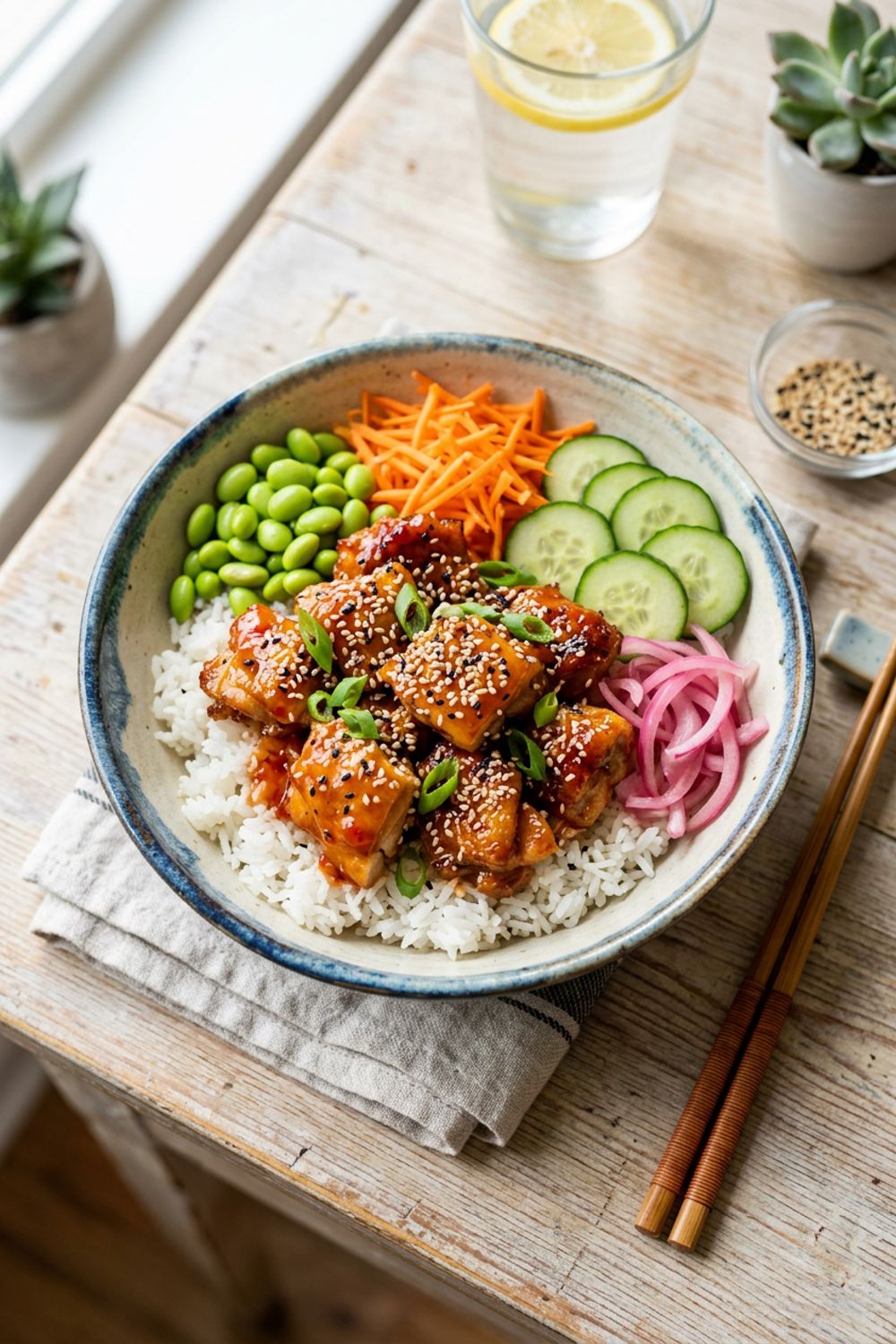
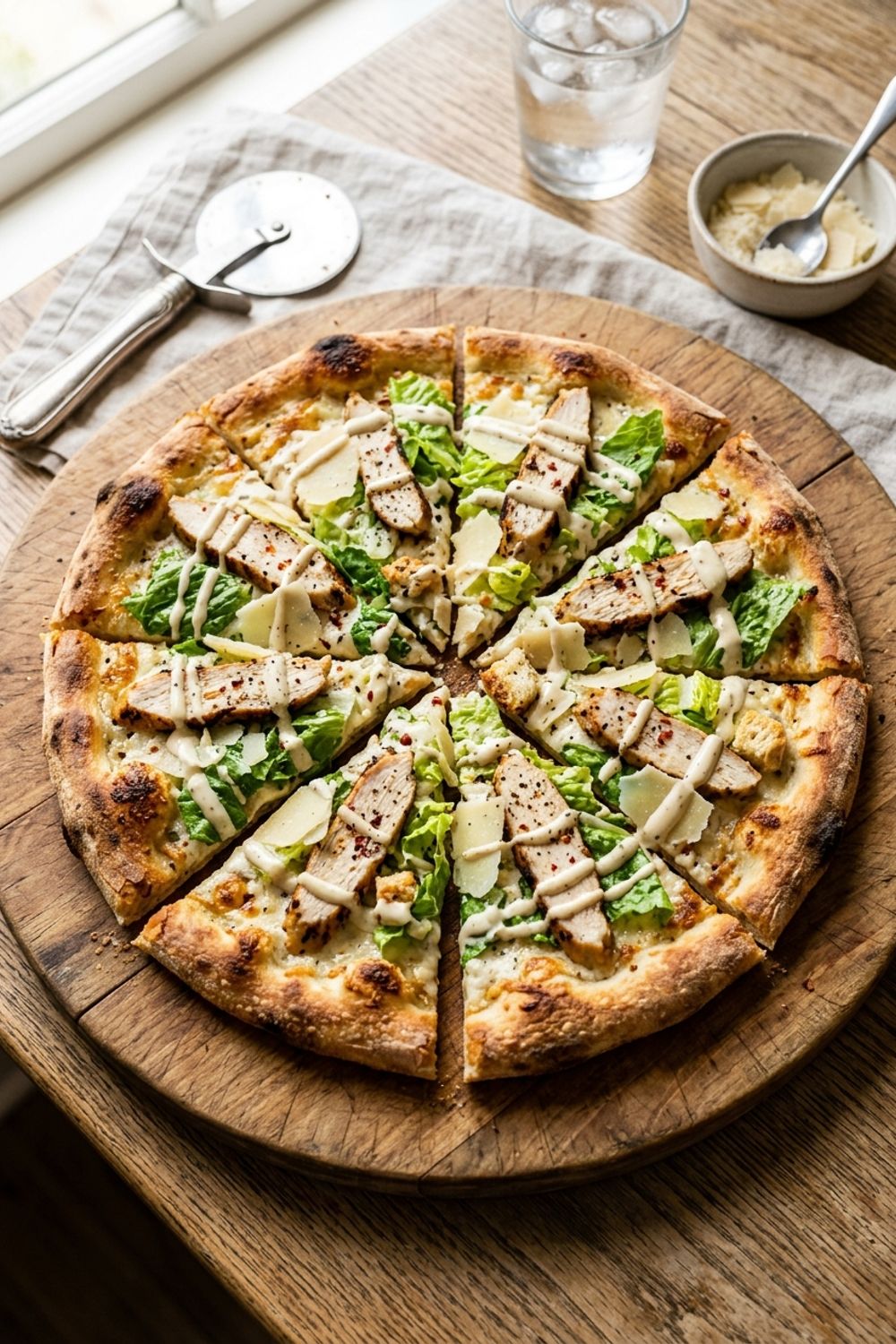
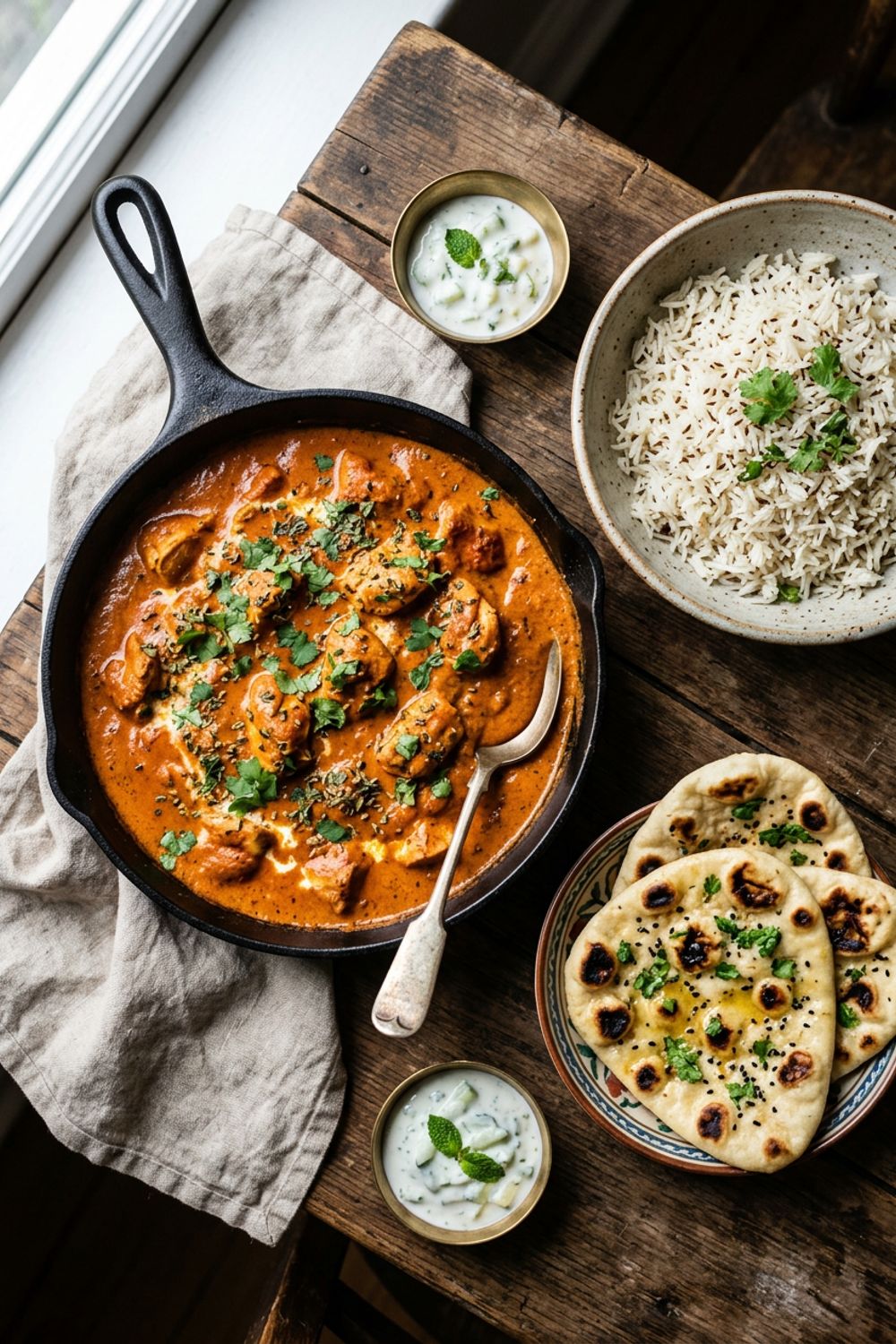
These honey garlic chicken bites are honestly one of my proudest recipes, and I make them at least twice a month. If you love this sweet-savory flavor profile, my sweet chili chicken rice bowls use a similar sticky glaze concept over crispy chicken thighs, and they are phenomenal. For a pizza night twist, try my chicken caesar pizza, and for a deep-dive into Indian spiced chicken, my homemade butter chicken is absolutely unforgettable.
Never Miss a Recipe
Join 5,000+ home cooks and get new recipes straight to your inbox.
Ingredients
Chicken Bites
Honey Garlic Sauce
Garnish
Instructions
- 1
Prepare the Coating
In a shallow bowl, whisk together the flour, cornstarch, garlic powder, onion powder, smoked paprika, salt, and pepper. Place the beaten eggs in a separate shallow bowl. Dip each chicken piece first in egg, then dredge in the flour mixture, pressing gently to adhere. Shake off any excess coating.
- 2
Fry the Chicken Bites
Heat the oil in a large heavy-bottomed skillet or Dutch oven to 350°F (175°C). Working in batches of 8-10 pieces to avoid crowding, fry the coated chicken for 4-5 minutes, turning occasionally, until golden brown and cooked through. Transfer to a wire rack set over a baking sheet. Repeat with remaining chicken.
- 3
Make the Honey Garlic Sauce
In a small saucepan over medium heat, combine the honey, soy sauce, rice vinegar, garlic, ginger, sesame oil, and sriracha if using. Bring to a simmer and cook for 2 minutes. Stir in the cornstarch slurry and cook for another 1-2 minutes until the sauce is thick and glossy.
- 4
Toss and Serve
Transfer the crispy chicken bites to a large bowl. Pour the hot honey garlic sauce over the chicken and toss gently until every piece is evenly coated. Transfer to a serving plate and garnish with sliced green onions, sesame seeds, and red pepper flakes if desired. Serve immediately.
Nutrition Information
Per serving (serves 4). Values are approximate.
| Calories | 385 calories |
| Total Fat | 12g |
| Saturated Fat | 2g |
| Carbohydrates | 38g |
| Sugar | 18g |
| Protein | 32g |
| Sodium | 720mg |
| Fiber | 1g |
* Percent Daily Values are based on a 2,000 calorie diet. Your daily values may be higher or lower depending on your calorie needs. Nutritional information is an estimate and may vary.
Frequently Asked Questions
Can I bake these instead of frying?
Yes. Spray the coated chicken bites with cooking spray and bake on a parchment-lined sheet at 425°F (220°C) for 18-20 minutes, flipping halfway through. They will not be quite as crispy as fried, but they are still delicious and much lighter.
How do I keep the chicken crispy after adding the sauce?
Toss the chicken with the sauce right before serving and eat immediately. The sauce will slowly soften the coating over time. For maximum crispness, serve the sauce on the side for dipping instead.
Can I use chicken thighs instead of breasts?
Absolutely. Boneless skinless thighs are actually even better — they stay juicier and are more flavorful. Cut them into similar 1-inch pieces and fry for the same amount of time.
Is this recipe kid-friendly?
Very much so. Kids love the sweet, sticky coating. Skip the sriracha and red pepper flakes for younger eaters. These are basically homemade chicken nuggets with a gourmet sauce.

Hi, I'm Lisa!
I create simple, tested recipes from around the world that anyone can make at home.
Learn More →Reader Reviews
Based on 289 reviews