Quick & Easy
Honey Curry Roasted Cauliflower
Why This Recipe Is Special
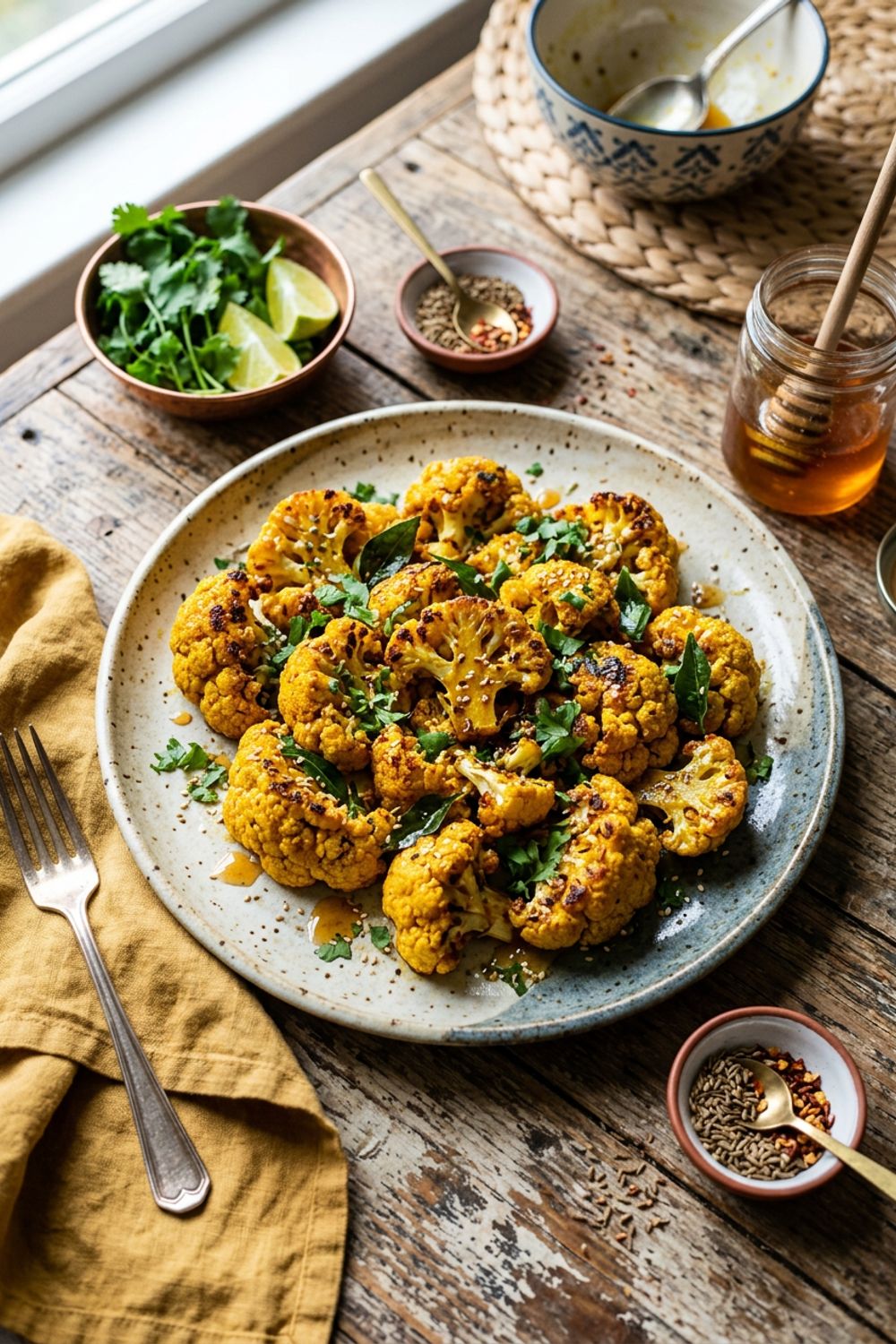
I have this theory that cauliflower is the most underrated vegetable in existence, and this honey curry version is my strongest evidence. Most people have a lukewarm relationship with cauliflower because they have only experienced it steamed or raw with ranch dressing. But roast it at high heat until the edges are crispy and golden, then coat it in a warm, aromatic honey curry glaze, and it becomes something that people genuinely fight over at dinner parties. I am not exaggerating — I have witnessed adults strategically position themselves near this platter.
The inspiration came from a tiny Indian-American fusion restaurant in Brooklyn where they served something similar as a bar snack. I ordered it on a whim, took one bite, and immediately asked the bartender if I could get three more orders. The combination of warm curry spices, sweet honey, and the natural nuttiness of roasted cauliflower is one of those flavor combinations that feels like it has always existed — it is so perfectly balanced that it seems obvious, but it took someone creative to put it together.
What I love most about this recipe is that it works in almost any context. It is elegant enough for a dinner party alongside roast lamb or grilled fish. It is casual enough for a weeknight alongside some rice and a fried egg. It works as a vegetarian main course over grain bowls, as an appetizer with drinks, or as a snack straight from the sheet pan while standing at the kitchen counter. That versatility is rare and valuable.
The glaze hits every flavor dimension — sweet honey, earthy curry and turmeric, warm cumin and cinnamon, smoky paprika, gentle cayenne heat, bright lime acid. When all those layers caramelize against the hot cauliflower, they create a depth of flavor that is genuinely extraordinary for something so simple. The toasted cashews add a rich crunch, the cilantro adds freshness, and the yogurt on the side provides a cooling contrast that keeps you eating one more piece, then one more, then wondering where the entire platter went.
Understanding Curry Spice Blending
Curry powder is not a single spice but a blend, and understanding what is inside it helps you control and customize the flavor of this dish. Most standard yellow curry powders contain turmeric (for color and earthy warmth), coriander (for citrusy brightness), cumin (for deep, toasty earthiness), fenugreek (for a slight maple-like sweetness), and varying amounts of chili (for heat).
I add extra turmeric and cumin on top of the curry powder because I want those specific notes amplified. The turmeric intensifies the golden color — when the glaze hits the cauliflower, every floret becomes this gorgeous sunset gold that looks absolutely stunning on a plate. The extra cumin deepens the earthy, warm base note that makes the whole dish feel grounding and comforting.
Smoked paprika is my secret addition. It is not traditionally part of Indian curry blends, but the smokiness it adds bridges the gap between the Indian spicing and the American roasting technique beautifully. It evokes that campfire quality that Americans associate with grilling and barbecue, making the dish feel familiar even to people who are not accustomed to Indian flavors.
The cinnamon deserves special attention. A quarter teaspoon seems insignificant, but cinnamon is a powerful spice. In this small amount, you will not consciously taste cinnamon — what it does is round out the other spices, adding a subtle warmth that makes the whole blend taste more complex and less sharp. This is a trick used extensively in Indian cooking, where cinnamon (or cassia) appears in countless savory dishes.
Cayenne pepper provides the heat layer, and I keep it gentle at a quarter teaspoon. This creates a warmth that builds slowly at the back of your throat rather than an aggressive upfront burn. If you love heat, you can safely double this without disrupting the other flavors. If you are heat-averse, omit it entirely — the other spices provide plenty of interest on their own.
The key to getting the most from these spices is mixing them into the honey-oil base and letting them bloom briefly. When spice particles are suspended in warm fat, their essential oils activate and become more aromatic. This happens in the mixing bowl and then continues in the oven, where the heat drives those aromatic compounds deep into the cauliflower.
Why Honey Is the Perfect Glaze Base
I have tested this recipe with maple syrup, agave, brown sugar, and even molasses, and while they all produce good results, honey remains my top choice for specific, functional reasons that go beyond flavor preference.
Honey caramelizes at a lower temperature than most other sweeteners, which means it starts developing those gorgeous dark, sticky, lacquered surfaces earlier in the roasting process. This gives you more total caramelization time and a deeper, more complex flavor in the finished glaze. Brown sugar can burn before it properly caramelizes, and maple syrup, while delicious, produces a thinner glaze that does not cling to the cauliflower as well.
The natural enzymes and amino acids in raw honey participate in the Maillard reaction more actively than simple sugar solutions. This means honey does not just add sweetness — it actually generates new flavor compounds when heated that you cannot get from other sweeteners. These compounds include nutty, toasty, and slightly bitter notes that add genuine complexity to the glaze.
Honey also has a natural viscosity that makes it cling to the cauliflower florets better than thinner liquids. When mixed with the coconut oil and spices, it creates a glaze that coats evenly and does not pool at the bottom of the pan. This means every floret gets equal coverage and consistent flavor.
The flavor of honey itself — floral, slightly earthy, and warm — complements curry spices beautifully. The floral notes echo the aromatic quality of the spices, while the warmth of honey amplifies the warmth of the cumin and cinnamon. There is a natural affinity between these flavors that feels harmonious rather than forced.
One practical tip: if your honey has crystallized, warm it gently by placing the jar in hot water for 5 minutes. Crystallized honey does not mix well with the other glaze ingredients and can create gritty patches on the finished cauliflower.
Tips for Perfect Results
Dry your cauliflower thoroughly. After washing, pat the florets dry with paper towels or spin them in a salad spinner. Surface moisture is the enemy of crispy roasted cauliflower — it creates steam that prevents browning and produces a soft, pale result. Taking 2 minutes to dry the florets properly pays off enormously in the final texture.
Use a hot oven and do not be afraid of color. 425°F (220°C) is not a suggestion — it is the minimum temperature needed for proper caramelization. Some home cooks get nervous when they see dark spots forming, but those charred edges are flavor, not burning. The cauliflower should have a mix of golden brown and dark brown areas. Completely uniform pale cauliflower means your oven was not hot enough.
Do not stir during the initial roast. Leave the cauliflower alone for the full 20 minutes. That undisturbed contact with the hot pan is what creates the crispy, deeply caramelized flat sides that are the best part of this dish. Stirring breaks that contact and resets the browning clock.
Coconut oil makes a difference in the glaze. Melted coconut oil adds a subtle, rich nuttiness that olive oil cannot replicate. It also solidifies slightly when it hits the cauliflower, helping the glaze stick better. If you are allergic to coconut or dislike the flavor, olive oil works fine — just know that the glaze will be slightly thinner and less clingy.
Add lime juice twice. I put lime juice in the glaze for the oven (where it adds acid that promotes browning) and then squeeze fresh lime over the finished dish (for bright, raw acidity that lifts all the flavors). These two applications of lime serve completely different purposes and both are important.
Toast your cashews properly. Raw cashews are flat and forgettable. Toasted cashews are rich, nutty, and aromatic. The transformation takes only 2-3 minutes in a dry pan, but the flavor difference is dramatic. Watch them closely — cashews go from perfect to burnt in about 20 seconds.
Variations to Try
Honey Curry Cauliflower Buddha Bowl. Serve the glazed cauliflower over coconut rice with chickpeas, sliced avocado, pickled red onion, and a drizzle of tahini. This turns a side dish into a complete, satisfying vegetarian meal with balanced protein, healthy fats, and complex carbs.
Crispy Curry Cauliflower Bites. Before roasting, toss the cauliflower in a thin batter of chickpea flour (2 tablespoons), water, and salt. Roast until extra crispy, then toss with the honey curry glaze. The batter creates an incredibly crunchy coating that holds the glaze beautifully — these are perfect as party appetizers with a yogurt dipping sauce.
Curry Cauliflower Flatbread. Scatter the glazed cauliflower over warm naan bread with crumbled paneer cheese, sliced red onion, cilantro, and a drizzle of green chutney. Fold and eat like a taco. This is one of the most delicious quick lunches I have ever made.
Roasted Curry Cauliflower Soup. Roast the cauliflower with the curry spices (skip the honey glaze), then blend with vegetable broth, coconut milk, and a squeeze of lime for a silky, warming soup. Drizzle with honey and garnish with toasted cashews and cilantro oil. The roasted flavor adds incredible depth to the soup.
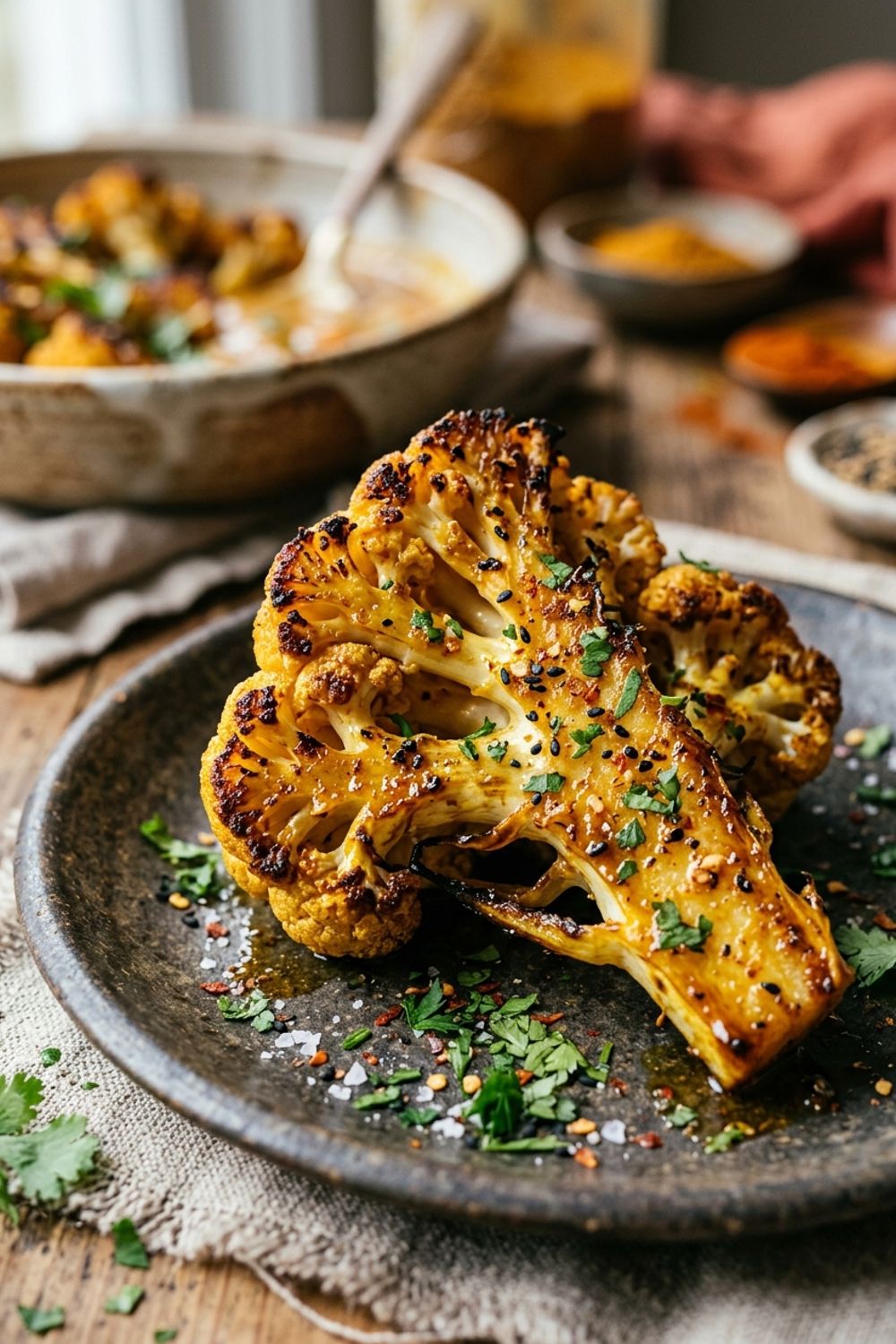
Whole Roasted Curry Cauliflower. Leave the cauliflower whole, brush generously with the honey curry glaze, and roast at 400°F (200°C) for 50-60 minutes until deeply caramelized all over and tender when pierced with a knife. Present it whole at the table for a dramatic vegetarian centerpiece. Slice into wedges to serve.
What to Serve Alongside
This cauliflower works as a side dish or as the star of the meal depending on how you plate it. For a complete dinner, I love serving it alongside coconut jasmine rice — the subtle sweetness of coconut rice echoes the honey in the glaze, and the fluffy texture absorbs any extra sauce beautifully. Add a simple cucumber-yogurt raita on the side for cooling contrast that tempers the spice.
For a lighter meal, serve the cauliflower over a bed of mixed greens with a light lemon vinaigrette. The warm, spiced cauliflower against the cool, crisp greens is a wonderful contrast. Scatter some chickpeas over the salad for extra protein and you have a satisfying lunch that comes together in minutes if you have leftover cauliflower ready.
At dinner parties, I often serve this alongside grilled lamb chops or roasted chicken thighs. The warm curry spices complement both proteins beautifully, and the golden color of the cauliflower against the dark, caramelized meat looks absolutely stunning on the plate. A simple naan bread on the side completes the picture.
How to Store
Leftover honey curry cauliflower keeps well in an airtight container in the refrigerator for up to 4 days. The glaze continues to develop flavor as it sits, and many people actually prefer the leftovers to the fresh version because the spices meld and deepen overnight.
To reheat, spread the cauliflower on a baking sheet and warm in a 400°F (200°C) oven for 8-10 minutes. The oven method partially restores the crispy texture. The microwave works in a pinch but produces softer results. Cold leftovers are surprisingly good in grain bowls, wraps, or chopped into salads — the curry flavor works as both a vegetable and a seasoning component.
The honey curry glaze can be made up to 5 days in advance and stored in a sealed jar in the refrigerator. Bring it to room temperature and stir well before using, as the coconut oil will solidify when cold. Double the glaze recipe to keep on hand — it is wonderful on roasted sweet potatoes, Brussels sprouts, and chicken thighs too.
For meal prep, roast the cauliflower and store it unglazed, then add the glaze when reheating. This maintains better texture than storing pre-glazed cauliflower, which can become soft as the sugars absorb into the florets.
Troubleshooting
Cauliflower is soft and not crispy. Overcrowding is the most likely cause — the florets are steaming each other instead of roasting. Spread them on two baking sheets if needed. Also check that your oven has fully preheated and that you dried the cauliflower thoroughly before oiling.
Glaze is too thick and will not coat evenly. The honey or coconut oil may have cooled and solidified. Warm the glaze briefly in the microwave for 10 seconds and stir well. You can also add a teaspoon of warm water to thin it slightly. The glaze should be pourable but not watery.
Spices taste raw or powdery. The spices need heat and fat to bloom properly. Make sure you are mixing them into the warm honey-oil base thoroughly and that the cauliflower spends a full 10-12 minutes in the oven after glazing. If you still detect raw spice flavor, toast the curry powder in a dry pan for 30 seconds before adding it to the glaze next time.
Cauliflower is bitter. Over-charring can produce bitter compounds. Reduce oven temperature to 400°F (200°C) next time and check the cauliflower 2-3 minutes earlier. Some browning is desirable, but large patches of black indicate too much heat. The honey should provide enough sweetness to balance mild charring, so increase the honey by a tablespoon if needed.
This honey curry roasted cauliflower is the recipe I recommend to anyone who thinks they do not like cauliflower, and it converts people every single time. The warm spices, sweet honey glaze, and crispy caramelized edges transform a humble vegetable into something truly extraordinary. Once you try it, I promise it will earn a permanent spot in your regular rotation.
Never Miss a Recipe
Join 5,000+ home cooks and get new recipes straight to your inbox.
Ingredients
Roasted Cauliflower
Honey Curry Glaze
Garnish
Instructions
- 1
Preheat and Prep
Preheat your oven to 425°F (220°C) and line a large rimmed baking sheet with parchment paper. Cut the cauliflower into evenly-sized florets, about 1.5 to 2 inches across. Pat them dry with paper towels — any excess moisture will cause steaming instead of roasting.
- 2
Season and Roast
Toss the cauliflower florets with avocado oil, salt, and pepper in a large bowl. Spread in a single layer on the baking sheet, flat-cut sides facing down. Roast for 20 minutes undisturbed until the undersides are golden brown and beginning to caramelize.
- 3
Prepare the Honey Curry Glaze
While the cauliflower roasts, whisk together the honey, melted coconut oil, curry powder, turmeric, cumin, smoked paprika, cinnamon, cayenne pepper, minced garlic, lime juice, and soy sauce in a small bowl. The mixture should be a vibrant golden color and pourable. Taste and adjust — add more cayenne for heat or more honey for sweetness.
- 4
Glaze the Cauliflower
Remove the baking sheet from the oven. Pour the honey curry glaze over the roasted cauliflower and toss gently to coat every floret. Return to the oven for 10-12 minutes until the glaze is sticky, caramelized, and the cauliflower has deep golden-brown edges with some charred spots.
- 5
Toast the Cashews
While the cauliflower finishes, toast the roughly chopped cashews in a dry skillet over medium heat for 2-3 minutes, shaking frequently until golden and fragrant. Remove from the pan immediately to prevent burning.
- 6
Serve
Transfer the glazed cauliflower to a serving platter. Squeeze fresh lime juice over the top, scatter with chopped cilantro and toasted cashews, and finish with a pinch of flaky sea salt. Serve with yogurt or raita alongside for cooling contrast.
Nutrition Information
Per serving (serves 4). Values are approximate.
| Calories | 185 calories |
| Total Fat | 11g |
| Saturated Fat | 4g |
| Carbohydrates | 22g |
| Sugar | 14g |
| Protein | 4g |
| Sodium | 490mg |
| Fiber | 4g |
* Percent Daily Values are based on a 2,000 calorie diet. Your daily values may be higher or lower depending on your calorie needs. Nutritional information is an estimate and may vary.
Frequently Asked Questions
What kind of curry powder should I use?
A standard yellow curry powder (like Madras curry) works best for this recipe. It typically contains a blend of turmeric, coriander, cumin, fenugreek, and chili. Avoid Thai curry pastes, which are completely different in flavor and texture. If you have access to an Indian grocery store, their curry powders tend to be fresher and more aromatic than supermarket brands.
Can I use maple syrup instead of honey?
Yes, maple syrup makes an excellent substitute with a slightly different flavor profile — more earthy and less floral. Use the same amount. Agave nectar also works well. For a vegan version, maple syrup or agave are the way to go.
How do I make this less spicy?
Omit the cayenne pepper entirely and reduce the curry powder to 2 teaspoons. The smoked paprika and other spices will still provide plenty of warm flavor without significant heat. You can also increase the honey by a tablespoon to further balance any residual spice.
Can I air fry this cauliflower?
Absolutely. Toss the cauliflower with oil and salt, then air fry at 400°F (200°C) for 12-15 minutes, shaking the basket halfway through. Add the glaze and air fry for an additional 3-5 minutes. The air fryer produces even crispier results than the oven, and it is faster.

Hi, I'm Lisa!
I create simple, tested recipes from around the world that anyone can make at home.
Learn More →Reader Reviews
Based on 167 reviews