Chicken & Poultry
Homemade Butter Chicken
Why This Recipe Is Special
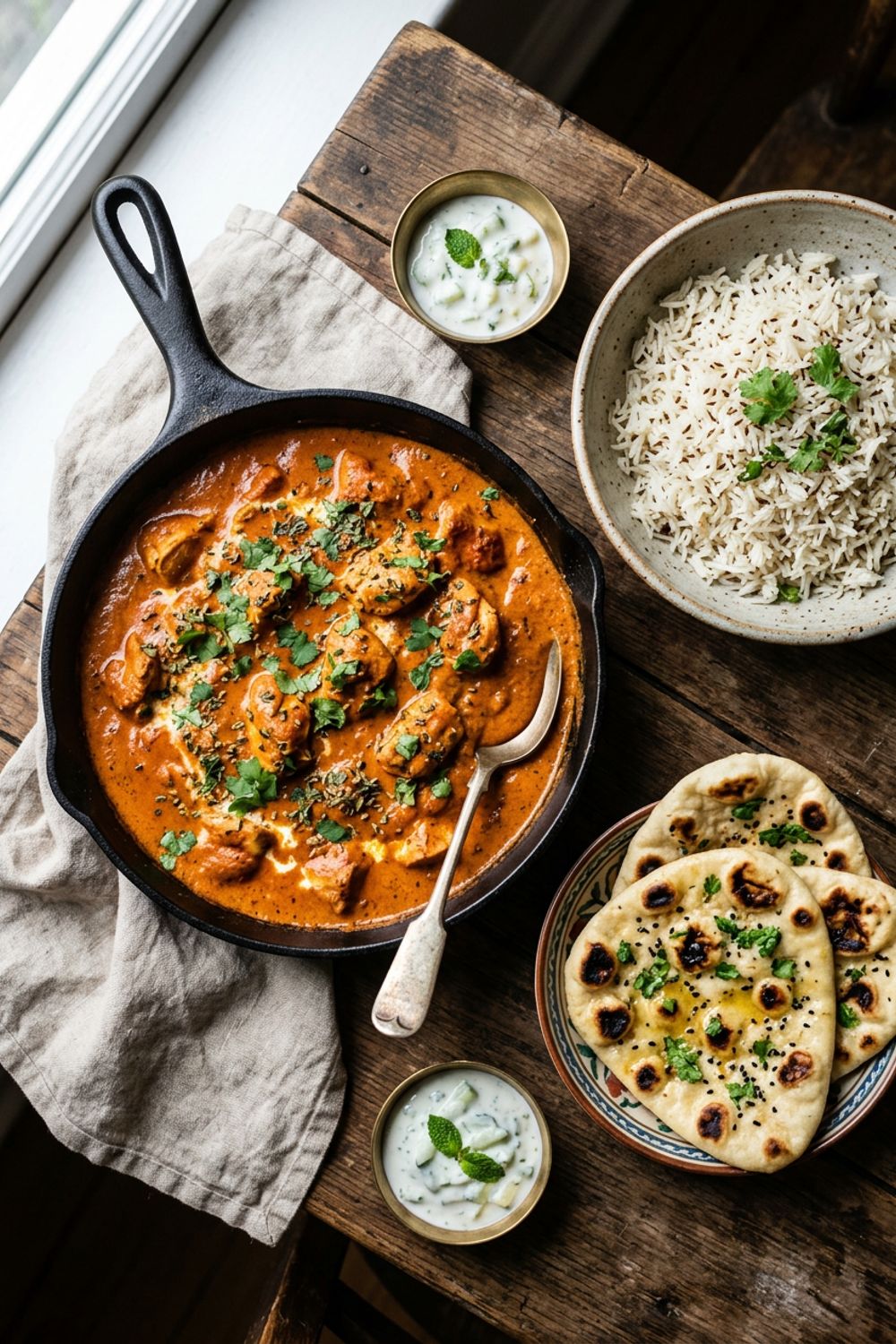
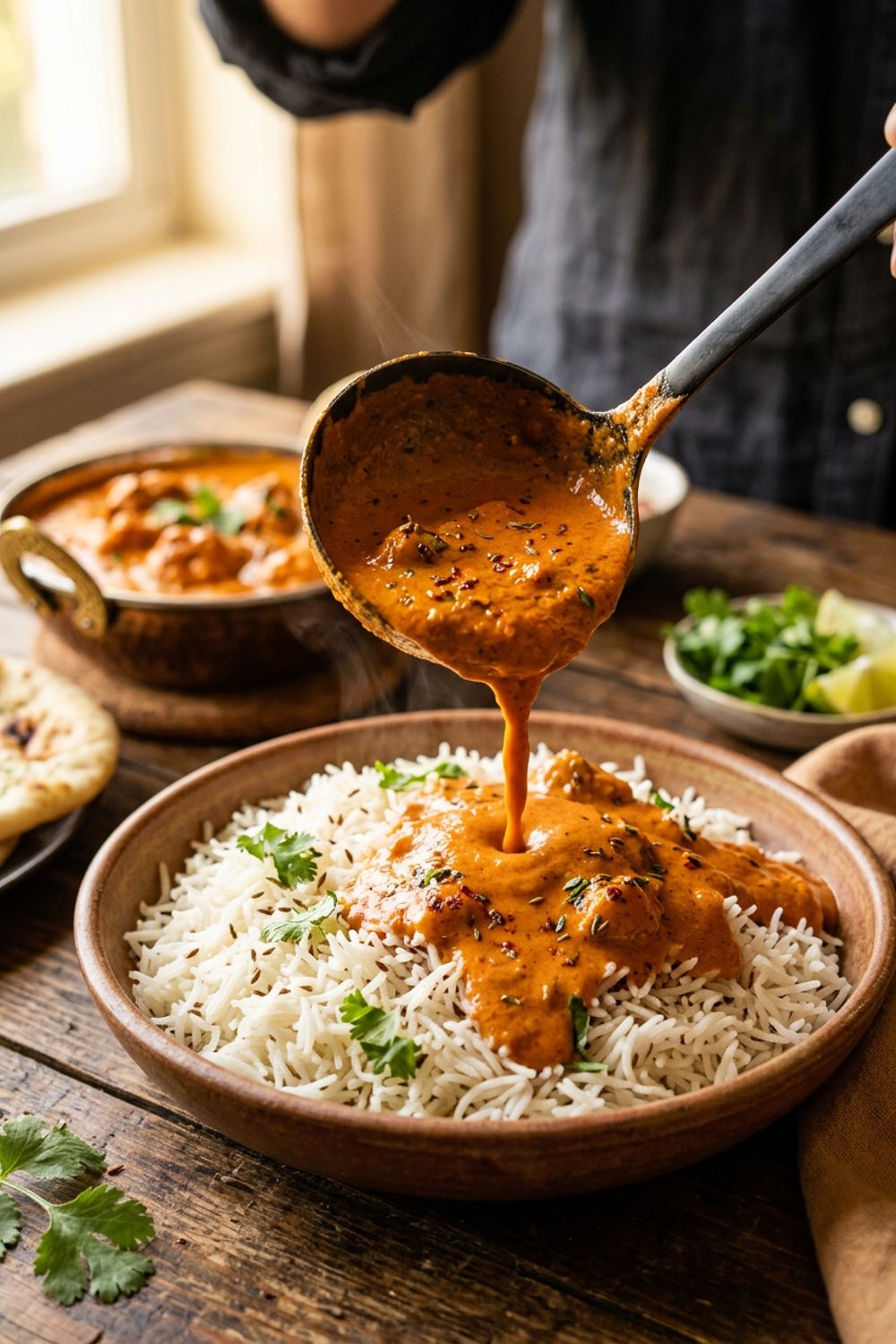
I still remember the first time I had truly great butter chicken. It was at a tiny restaurant in a strip mall, the kind of place you would walk past without a second glance. But the butter chicken there was otherworldly — a velvety, rust-orange sauce with a perfect balance of warm spices, gentle heat, and a sweetness that came from slow-cooked tomatoes rather than added sugar. I became obsessed with recreating that experience at home, and after years of testing and tweaking, I am finally ready to share the recipe that I believe nails it.
What sets this homemade butter chicken apart is the depth of flavor that comes from two key techniques most home recipes skip. First, I broil the marinated chicken rather than simply sauteing it. The intense direct heat of the broiler creates those beautiful charred spots you see on tandoori chicken, and those caramelized edges add a smoky complexity to the finished dish that you simply cannot achieve in a skillet. Second, I bloom the spices in butter before adding the tomatoes. This 30-second step unlocks the fat-soluble flavor compounds in the spices, making the sauce dramatically more aromatic and flavorful.
The result is a butter chicken that is restaurant-quality without any of the shortcuts or artificial colorings that many takeout places rely on. The sauce is silky smooth, the chicken is impossibly tender from the yogurt marinade, and every bite delivers that perfect harmony of tomato, cream, butter, and spice that makes butter chicken one of the most beloved dishes on the planet. I make this nearly every week, and it never gets old. If you have never made butter chicken from scratch, prepare to be amazed at how much better it is than anything that comes in a jar.
Understanding the Yogurt Marinade
The yogurt marinade is not just about flavor — it is a tenderizing powerhouse that transforms the texture of the chicken in ways that no other ingredient can. The lactic acid in yogurt gently breaks down the proteins on the surface of the chicken, creating a tender exterior that absorbs the spice mixture and holds onto moisture during the intense heat of the broiler.
I use whole-milk yogurt specifically because the fat content matters here. Low-fat or non-fat yogurt does not cling to the chicken as well and produces a less rich marinade overall. Greek yogurt works too, though I find regular yogurt creates a slightly better coating because it is thinner and more spreadable. The key is to make sure every piece of chicken is thoroughly coated — there should be no bare spots.
The minimum marinating time is one hour, but overnight is where the magic really happens. After 8-12 hours in the fridge, the chicken becomes almost impossibly tender, with the spices permeating deep into the meat rather than sitting on the surface. The turmeric and chili powder also stain the chicken a beautiful golden-orange color that becomes even more dramatic after broiling.
One important note: do not marinate for more than 24 hours. Beyond that point, the acid in the yogurt and lemon juice can start to break down the proteins too much, making the chicken mushy rather than tender. The sweet spot is 8-12 hours, which is why I always try to marinate the night before.
Building a Restaurant-Quality Sauce
The sauce is the soul of butter chicken, and getting it right requires patience and attention to a few critical details. I start with a generous amount of butter and a little oil — the oil raises the smoke point and prevents the butter solids from burning while you cook the onions.
Speaking of onions, I cook them slowly over medium heat for a full 8-10 minutes. You want them soft, golden, and almost melting — not browned or caramelized. The goal is sweetness and body, not the deep flavor that comes from heavy browning. These onions will be pureed into the sauce later, so they need to be completely soft.
The garlic and ginger go in next, and I cook them for just one minute. Fresh ginger is absolutely essential here — dried ground ginger simply does not have the same bright, sharp flavor. I mince both the garlic and ginger as finely as possible so they blend smoothly into the sauce.
Then comes the spice bloom. Adding the dry spices to the hot butter-oil mixture for 30 seconds before the tomatoes go in is a technique called “blooming” or “tempering.” The heat activates the volatile aromatic compounds in the spices, intensifying their flavor exponentially. You will know it is working when the kitchen suddenly fills with an incredible warm, spicy fragrance. Do not skip this step — it is the difference between a flat sauce and one with real depth.
The tomatoes simmer for 15 minutes to concentrate and soften, then everything gets pureed until absolutely silky smooth. I use an immersion blender right in the pot for convenience, but a regular blender works too. If using a regular blender, be careful with hot liquids — fill it only halfway and hold the lid down with a towel.
Tips for Perfect Results
Broil the chicken on a foil-lined sheet for easy cleanup and better browning. Lightly oil the foil to prevent sticking, and arrange the chicken pieces with space between them. Crowding causes steaming rather than charring. If your broiler has variable settings, use high and position the oven rack about 6 inches from the element. The chicken should have dark spots and charred edges — this is flavor, not burning.
Blend the sauce until it is completely smooth. Texture is everything in butter chicken. The sauce should be as smooth as velvet, with no visible pieces of onion, tomato, or ginger. After blending, I actually strain the sauce through a fine-mesh sieve for an extra-silky finish. This is optional, but if you want that restaurant-level luxuriousness, the extra 2 minutes of straining is absolutely worth it.
Add the cream off the heat or at a very gentle simmer. Boiling cream can cause it to separate or develop a grainy texture. Stir it in once the sauce is at a low simmer, then keep the heat gentle from that point on. The sauce should barely bubble — think lazy, occasional plops rather than a rolling boil.
Do not skip the finishing butter. Those final 2 tablespoons of butter stirred in right before serving are what give the sauce its characteristic glossy sheen and rich mouthfeel. This technique is called “monter au beurre” in French cooking, and it is the reason restaurant sauces always taste richer than what most people make at home. Stir the cold butter into the hot sauce in small pieces, and you will see the sauce transform from matte to gorgeously shiny.
Toast your whole spices and grind fresh if possible. While this recipe uses pre-ground spices for convenience, toasting whole cumin seeds, coriander seeds, and green cardamom pods in a dry skillet then grinding them in a spice grinder elevates the dish to another level entirely. The aromatic difference between freshly ground and pre-ground spices is like the difference between fresh coffee and instant.
Variations to Try
Paneer Makhani (Vegetarian Version). Replace the chicken with 14 oz (400g) of paneer cheese, cut into 1-inch cubes. Broil or pan-fry the paneer until golden on all sides before adding to the sauce. Skip the yogurt marinade — paneer does not need tenderizing. The sauce recipe stays exactly the same, and the creamy, slightly squeaky paneer is a wonderful vehicle for that rich tomato-cream sauce.
Instant Pot Butter Chicken. Use the saute function to cook the onions and bloom the spices, then add the tomatoes and raw marinated chicken (skip the broiling step). Pressure cook on high for 8 minutes with natural release for 10 minutes. The chicken will not have the charred edges, but the pressure cooking infuses the spices deeply and creates incredibly tender meat in a fraction of the time. Stir in cream and finishing butter after releasing the pressure.
Butter Chicken Meatballs. Mix 1.5 lbs ground chicken with the marinade spices, 1/3 cup breadcrumbs, and 1 beaten egg. Form into 1.5-inch meatballs and bake at 400°F (200°C) for 18-20 minutes. Simmer the meatballs in the butter chicken sauce for 10 minutes. These are incredible over rice, or stuffed into naan for butter chicken meatball sandwiches.
Extra-Spicy Version. Add 2 minced serrano peppers to the onion mixture, increase the chili powder to 1 full teaspoon of cayenne, and stir in 1 teaspoon of garam masala right at the end for an extra punch. Keep the cream and butter — they temper the heat without masking it, creating a rich and spicy sauce that builds warmth with every bite.
How to Store
Butter chicken is one of those rare dishes that actually improves with time. The flavors meld and deepen overnight, making leftovers even more delicious than the fresh version. Store in airtight containers in the refrigerator for up to 4 days. The sauce may thicken as it cools — just add a splash of water or broth when reheating.
This recipe freezes exceptionally well. Let the butter chicken cool completely, then transfer to freezer-safe containers or heavy-duty zip-top bags, pressing out as much air as possible. It will keep for up to 3 months in the freezer. Thaw overnight in the refrigerator, then reheat gently on the stovetop over medium-low heat. You may need to add a tablespoon of cream to refresh the sauce texture after freezing.
I often make a double batch specifically to freeze half. Having homemade butter chicken ready to go in the freezer means I can have a restaurant-quality dinner on the table in 20 minutes on busy weeknights. Just reheat the sauce and chicken, cook some basmati rice, and warm up store-bought naan. Dinner is served.
Troubleshooting
Sauce is too acidic or tangy. The crushed tomatoes are the usual culprit. Different brands vary in acidity. Add an extra tablespoon of honey or a pinch of sugar to balance. You can also increase the cream by 2-3 tablespoons, which mellows acidity. Simmering the sauce longer before adding the cream also helps cook out raw tomato tang.
Sauce broke or looks oily. This happens when the sauce gets too hot after adding the cream. Bring the temperature down to low heat and whisk vigorously. If it does not come back together, add 2 tablespoons of cold yogurt and whisk until smooth. Going forward, keep the heat gentle once cream enters the equation.
Chicken is tough or rubbery. Likely overcooked under the broiler. Chicken thighs are very forgiving, but under an intense broiler they can still overcook. Aim for just charred on the edges with the center at 165°F. The chicken will continue cooking in the simmering sauce, so slightly underdone from the broiler is actually fine.
Sauce is too thick. Add warm water or chicken broth a tablespoon at a time until you reach the desired consistency. The sauce should coat the back of a spoon but still flow easily. It will thicken further as it cools, so err on the slightly thinner side if you are serving immediately.
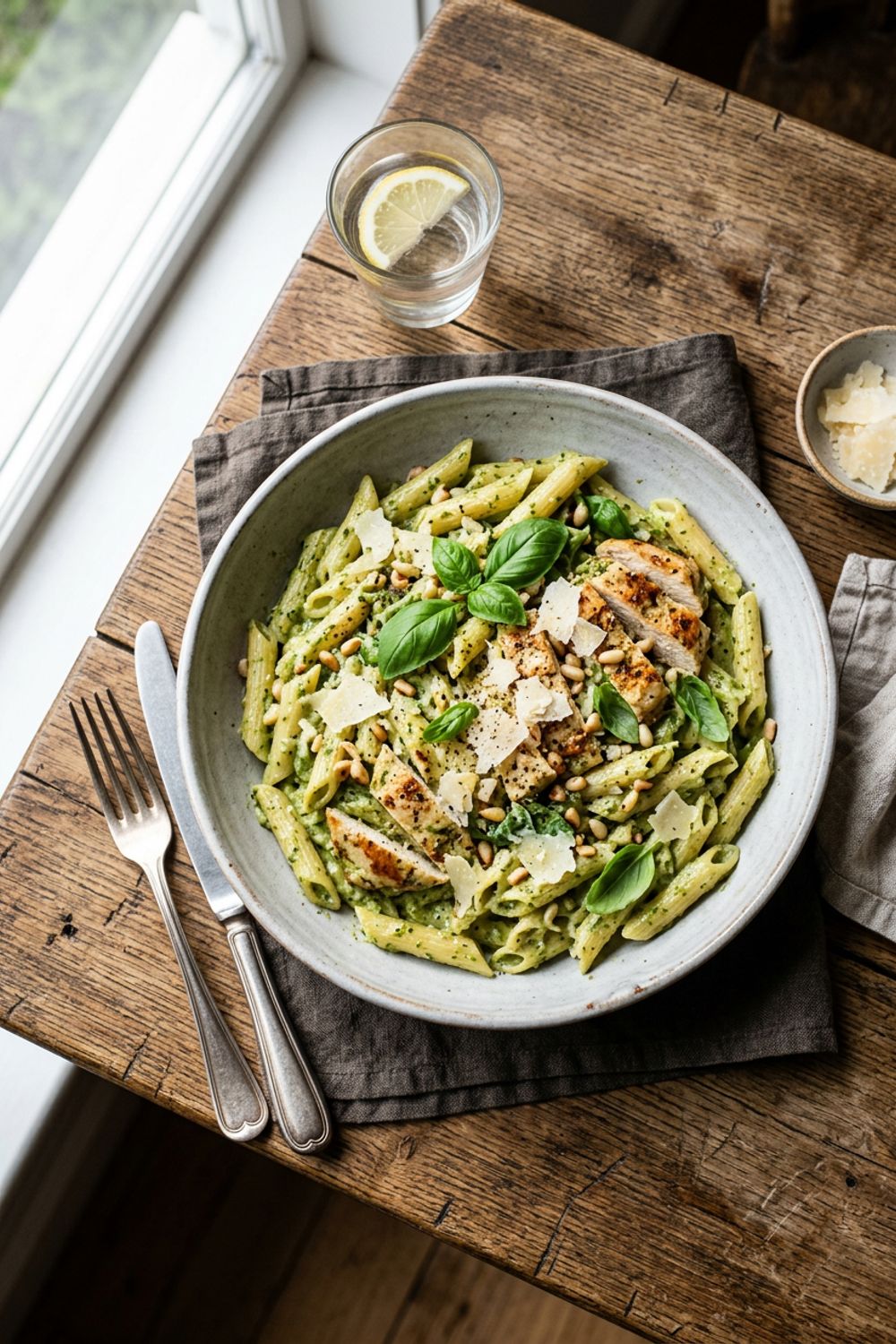
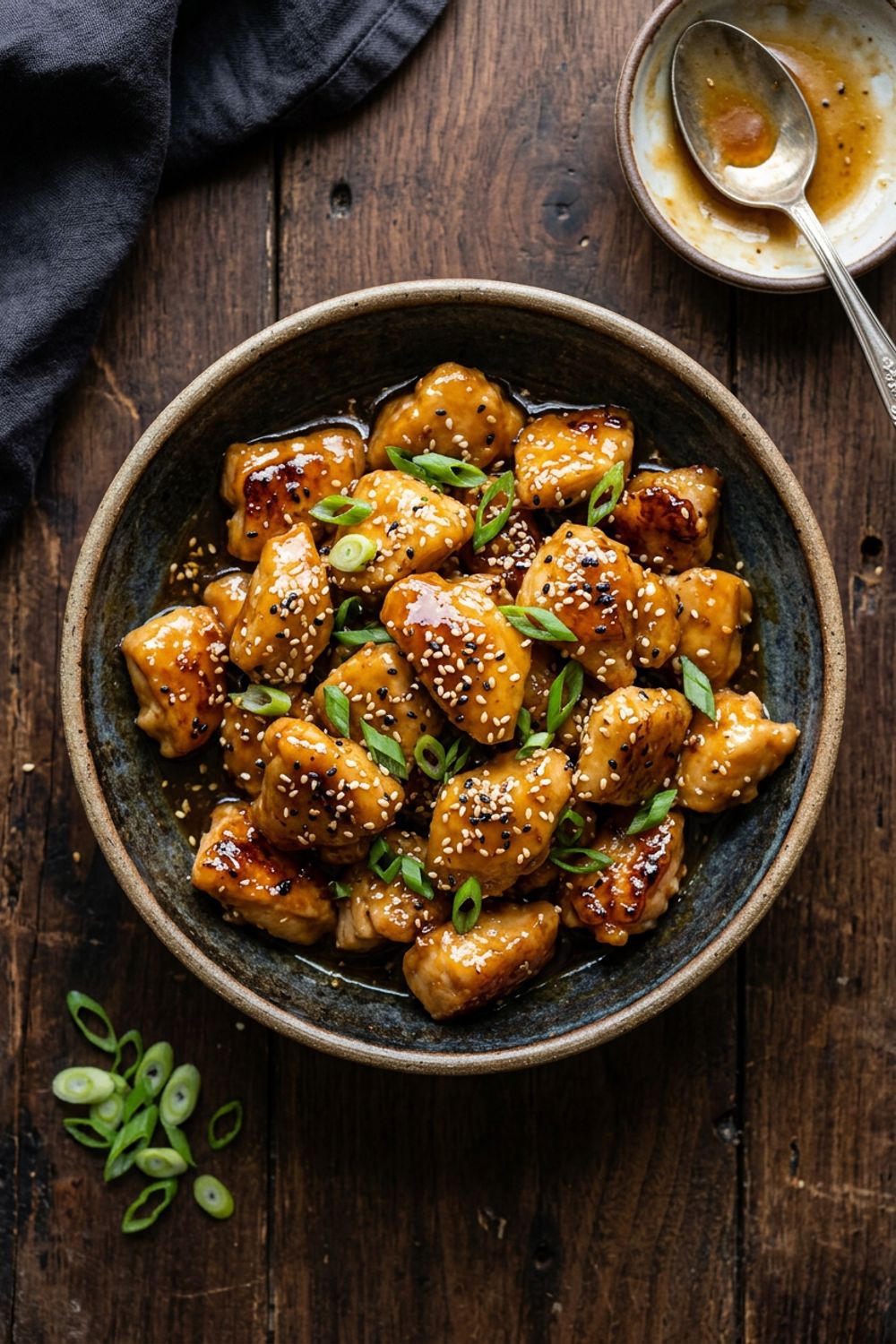
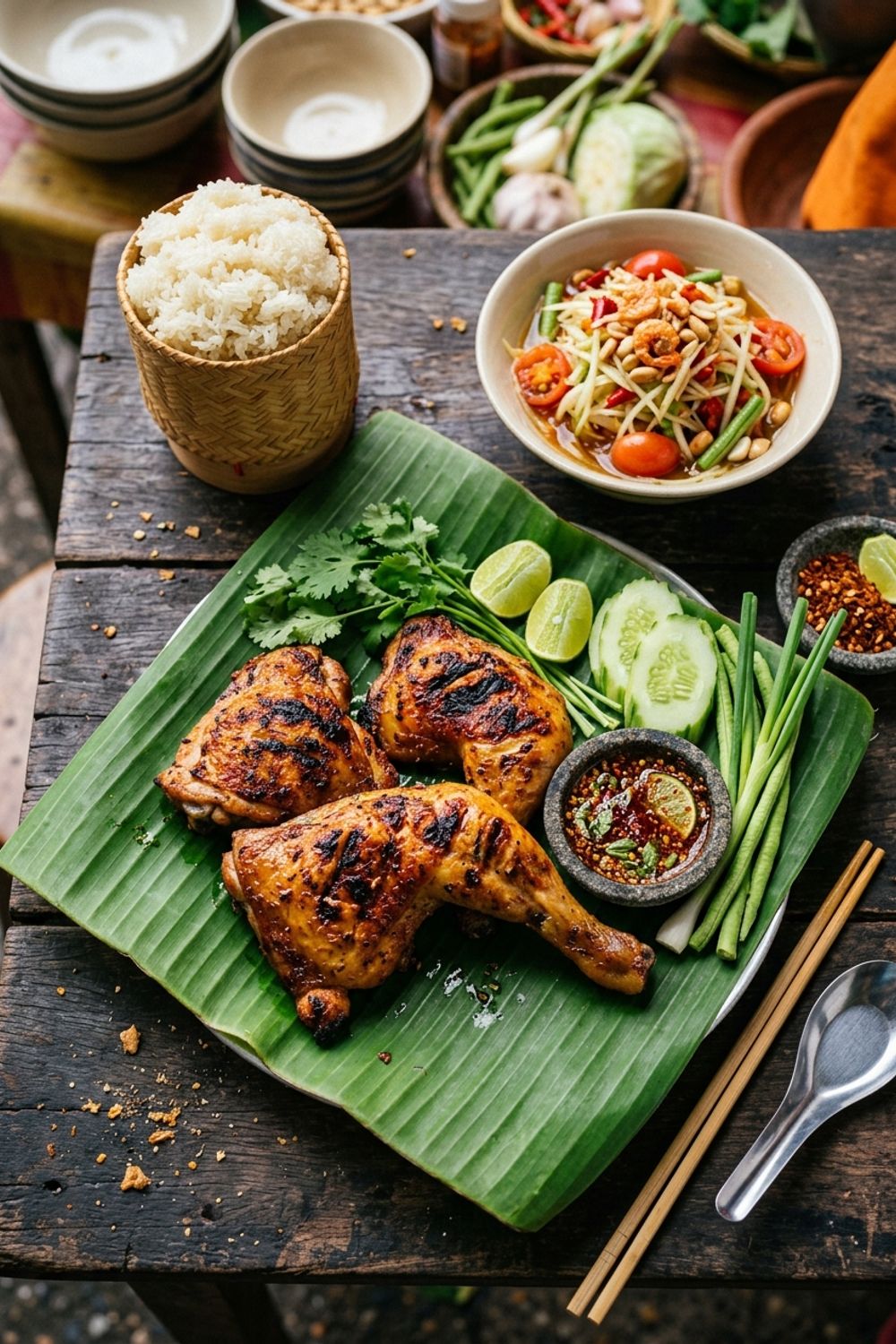
If you love this homemade butter chicken, I know you will enjoy my creamy pesto chicken pasta for another creamy, flavor-packed chicken dinner. For something lighter with Thai flavors, check out my gai yang, and for an easy appetizer the whole family will devour, do not miss my honey garlic chicken bites.
Never Miss a Recipe
Join 5,000+ home cooks and get new recipes straight to your inbox.
Ingredients
Chicken Marinade
Butter Chicken Sauce
Garnish
Instructions
- 1
Marinate the Chicken
In a large bowl, combine the yogurt, lemon juice, garam masala, cumin, turmeric, chili powder, salt, ginger, and garlic. Add the chicken pieces and toss until evenly coated. Cover and refrigerate for at least 1 hour, or overnight for the best flavor.
- 2
Cook the Chicken
Preheat your broiler to high. Arrange the marinated chicken on a foil-lined baking sheet in a single layer. Broil for 12-15 minutes, flipping halfway through, until the chicken is charred in spots and cooked through. Set aside.
- 3
Build the Sauce
In a large deep skillet or Dutch oven, heat the butter and oil over medium heat. Add the diced onion and cook for 8-10 minutes until soft and golden. Add the garlic and ginger, cooking for 1 minute until fragrant. Stir in the garam masala, coriander, cumin, turmeric, chili powder, and cinnamon, cooking for 30 seconds until the spices bloom.
- 4
Simmer the Sauce
Add the crushed tomatoes and tomato paste, stirring to combine. Bring to a simmer and cook for 15 minutes, stirring occasionally, until the sauce has thickened and the tomatoes have broken down. Use an immersion blender (or transfer to a regular blender) to puree the sauce until completely smooth.
- 5
Finish the Dish
Return the smooth sauce to the heat and stir in the heavy cream and honey. Add the broiled chicken pieces and simmer gently for 10 minutes, allowing the chicken to absorb the flavors. Stir in the finishing butter until melted and glossy. Taste and adjust salt. Serve garnished with fresh cilantro and a drizzle of cream over basmati rice or with warm naan.
Nutrition Information
Per serving (serves 6). Values are approximate.
| Calories | 480 calories |
| Total Fat | 28g |
| Saturated Fat | 15g |
| Carbohydrates | 18g |
| Sugar | 10g |
| Protein | 38g |
| Sodium | 650mg |
| Fiber | 3g |
* Percent Daily Values are based on a 2,000 calorie diet. Your daily values may be higher or lower depending on your calorie needs. Nutritional information is an estimate and may vary.
Frequently Asked Questions
Can I use chicken breast instead of thighs?
You can, but chicken thighs are strongly recommended. They stay moist and tender in the sauce, while chicken breasts can dry out. If using breasts, reduce the broiling time by 2-3 minutes and cut them into smaller pieces.
What is Kashmiri chili powder?
Kashmiri chili powder is a mild Indian chili powder prized for its vibrant red color and subtle heat. It gives butter chicken its signature rich color without excessive spiciness. If you cannot find it, substitute half the amount of cayenne pepper mixed with a teaspoon of sweet paprika.
Can I make this dairy-free?
Yes. Use coconut cream in place of heavy cream and coconut yogurt for the marinade. Swap butter for coconut oil. The flavor profile shifts slightly but is still delicious.
How spicy is this butter chicken?
This recipe is mild to medium. The cream, butter, and honey temper the spice significantly. For more heat, increase the chili powder or add a minced serrano pepper to the sauce.

Hi, I'm Lisa!
I create simple, tested recipes from around the world that anyone can make at home.
Learn More →Reader Reviews
Based on 312 reviews