Desserts & Baking
Easy Peanut Butter Cookie Bars
Why This Peanut Butter Cookie Bars Recipe Is Special
I have been making peanut butter cookies since I was old enough to hold a mixing spoon, but it was not until I started baking them as bars that I realized I had been doing it the hard way for years. Think about it — instead of rolling out individual cookie dough balls, spacing them on multiple baking sheets, and babysitting batch after batch in the oven, you dump everything into one pan, spread it out, and bake once. Same delicious flavors, a fraction of the effort. It changed my baking life.
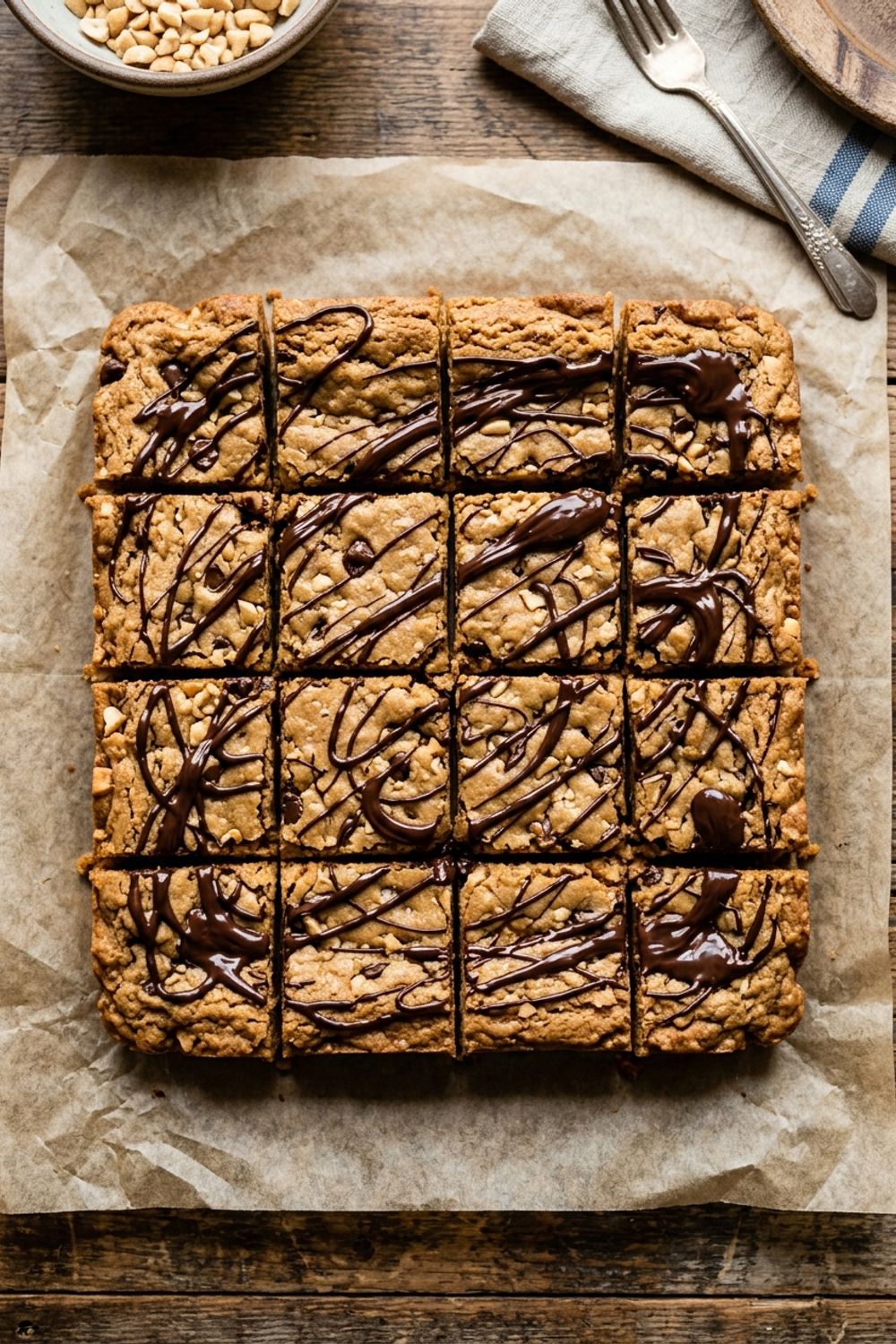
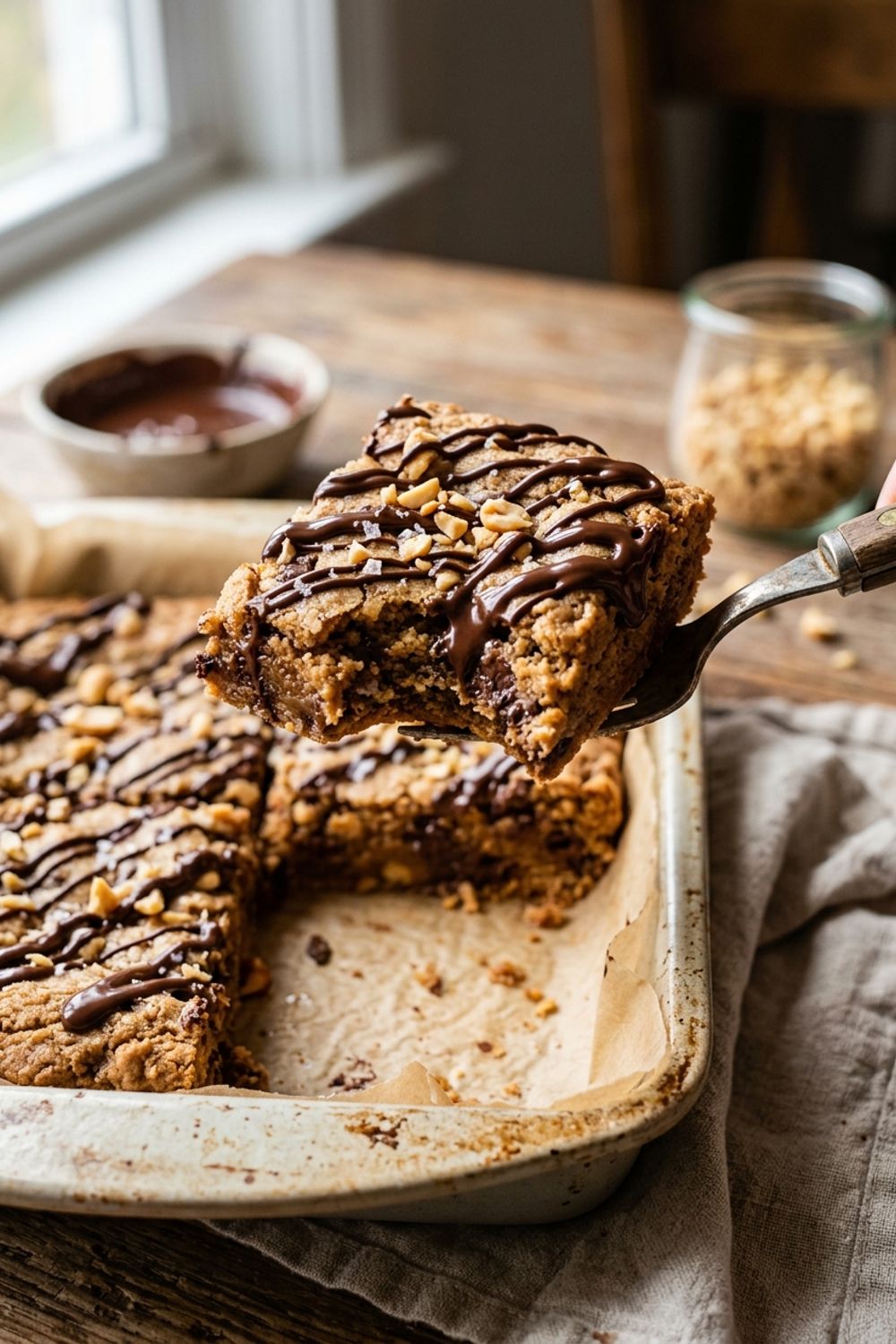
These bars have everything I love about a classic peanut butter cookie: that rich, salty-sweet peanut butter flavor, a chewy center that bends before it breaks, and golden edges with just enough crunch to contrast the soft middle. The brown sugar gives them a deep caramel-like sweetness that regular sugar alone cannot provide, and the combination of melted butter plus peanut butter creates an incredibly fudgy, dense texture that is almost like a blondie crossed with a cookie.
The whole recipe comes together in one bowl — no mixer needed, no chilling time, no fuss. From start to finished bars, you are looking at about 30 minutes. I make these at least twice a month, sometimes more if I am bringing treats to a gathering or if I just need that comforting peanut butter fix. They are the kind of recipe that every home baker should have in their back pocket. Add chocolate chips or leave them plain — either way, they will disappear faster than you can cut them. My record for a batch lasting in my house is 36 hours, and that is only because I hid half of them in the back of the fridge.
The Science of Chewy Cookie Bars
Understanding what makes a cookie bar chewy versus cakey or crispy helps you nail the texture every time. There are three main factors at play: the fat ratio, the sugar type, and the baking time.
Fat is what makes these bars tender and fudgy. I use both melted butter and peanut butter, which gives the bars a higher fat-to-flour ratio than a typical cookie. Melted butter (rather than softened and creamed) produces a denser, chewier texture because it does not trap air pockets the way creamed butter does. The peanut butter adds its own fats plus protein, which contributes to that satisfying chew.
Brown sugar is the secret weapon for chewiness. Brown sugar contains molasses, which is hygroscopic — it attracts and holds moisture. Bars made with all brown sugar stay softer and chewier for days compared to bars made with all white sugar. I use a combination of both: the brown sugar for moisture and chew, the white sugar for sweetness and a slightly crisper edge. This dual-sugar approach gives you the best of both worlds.
Baking time is where most people go wrong. Cookie bars need to come out of the oven when they still look slightly underdone in the center. The residual heat in the pan continues baking them for several minutes after you pull them from the oven, and the bars firm up further as they cool to room temperature. If the center looks fully set when you take them out, they will be overbaked and dry by the time they cool. Trust the process — that jiggly center will set perfectly.
Choosing the Right Peanut Butter
The peanut butter you use makes an enormous difference in these bars. I strongly recommend a commercial creamy peanut butter like Jif, Skippy, or store-brand equivalents. These contain stabilizers and added oils that create a consistent texture in baking. The peanut butter is already emulsified, so it mixes smoothly into the batter and produces bars with an even, predictable texture every time.
Natural peanut butter — the kind with just peanuts and salt — behaves very differently in baking. The oils separate and are not stabilized, which can lead to bars that are either too oily or too dry depending on how much oil was in the portion you scooped out. If natural peanut butter is all you have, stir it very thoroughly before measuring and accept that the texture may be slightly different. It will still taste great, but the consistency will not be quite the same.
For these bars, I measure peanut butter by weight: 256 grams, which is approximately 1 cup. Peanut butter is notoriously difficult to measure by volume because it sticks to the measuring cup and compacts unevenly. A kitchen scale makes this much more accurate. If you are using a measuring cup, spray it with nonstick spray first so the peanut butter slides right out.
The quality of the peanut butter’s roast also affects flavor. I find that brands with a stronger peanut roast flavor produce better-tasting bars. If your peanut butter tastes bland straight from the jar, it will taste bland in the bars too. I always do a quick taste test before baking.
Tips for Perfect Peanut Butter Cookie Bars
Line the pan with parchment — no exceptions. Peanut butter bars are notorious for sticking, even in well-greased pans. The peanut butter and sugars create a sticky, caramelized layer on the bottom that fuses to the pan. Parchment paper makes removal effortless and cleanup a breeze. Leave a 2-inch overhang on two sides so you can lift the entire slab out of the pan for clean, neat cutting.
Do not overbake — pull them early. I am going to say this one more time because it is the single most important step. At 20 minutes, check the bars. The edges should be golden brown and slightly pulled away from the sides of the pan. The center should still look a little shiny and underdone. It will jiggle slightly when you shake the pan. This is perfect. Remove them and let the residual heat do the rest. I promise they will not be raw — they will be gloriously chewy.
Let them cool completely before cutting. I know it is torture, but warm peanut butter cookie bars are too soft to cut cleanly. They crumble and fall apart. Cooling allows the starches and sugars to set, creating a bar that holds its shape when sliced. If you cannot wait, pop them in the fridge for 15 minutes to speed things up. Use a sharp knife and wipe it clean between cuts for the neatest edges.
Add mix-ins at the very end. Whether you are using chocolate chips, peanut butter chips, chopped peanuts, or all of the above, fold them in as the very last step, right after the flour is incorporated. This prevents the mix-ins from getting buried in the batter or breaking apart from overmixing. A gentle fold distributes them evenly without deflating the batter.
Use light brown sugar, not dark. Dark brown sugar has more molasses and can make the bars too moist and soft, almost like a pudding texture. Light brown sugar provides the perfect amount of molasses for chewiness while still allowing the bars to hold their structure. It also has a more neutral flavor that lets the peanut butter shine.
Variations to Try
Peanut Butter Chocolate Chip Bars. Fold 1 cup of semi-sweet chocolate chips into the batter for the classic peanut butter and chocolate combination. For an even more indulgent version, press extra chocolate chips into the top of the batter before baking so they are visible and melty on the surface.
Peanut Butter Swirl Bars. Drop spoonfuls of Nutella or chocolate ganache on top of the batter in the pan and use a knife to swirl them together. The visual effect is stunning, and you get pockets of chocolate throughout each bar. Use about 1/2 cup of Nutella for a generous swirl.
Peanut Butter and Jelly Bars. Spread the batter in the pan, then dot the top with tablespoons of your favorite jam — strawberry and grape are classics. Use a knife to swirl the jam into the batter. The jam creates fruity pockets that contrast beautifully with the salty peanut butter.
Salted Peanut Butter Pretzel Bars. Fold 1 cup of roughly crushed pretzels into the batter and sprinkle flaky sea salt over the top before baking. The sweet-salty contrast is addictive, and the pretzel pieces add an unexpected crunchy texture throughout the chewy bar.
Flourless Peanut Butter Bars. For a naturally gluten-free version, omit the flour entirely and increase the peanut butter to 1 1/2 cups. Add 1/2 cup of rolled oats for structure. The result is an intensely peanut-buttery bar that is denser and fudgier than the original — almost like peanut butter fudge.
How to Store Peanut Butter Cookie Bars
These bars store incredibly well at room temperature for up to 5 days in an airtight container or zip-top bag. The brown sugar keeps them moist and chewy throughout storage. I like to place a sheet of parchment paper between layers to prevent the bars from sticking together.
For longer storage, these bars freeze beautifully. Wrap individual bars tightly in plastic wrap and freeze in a zip-top bag for up to 3 months. Thaw at room temperature for about 30 minutes, or microwave for 15 to 20 seconds for a warm, soft bar. I always keep a stash in the freezer because they are the perfect grab-and-go snack.
If the bars have been refrigerated, let them come to room temperature for 15 minutes before eating. Cold peanut butter cookie bars are firmer and drier than room-temperature ones. A brief stint in the microwave restores that fresh-baked softness.
Troubleshooting Peanut Butter Cookie Bars
The bars are too thin and crispy. Make sure you are using a 9x13-inch pan, not a larger one. A bigger pan spreads the batter too thin. Also check that you are measuring the flour correctly — too little flour allows the batter to spread flat. Spoon the flour into the measuring cup and level with a knife, or better yet, use a kitchen scale.
The bars crumbled when I cut them. They needed more cooling time, or they were overbaked. Next time, cool completely (at least 30 minutes) and pull from the oven a minute earlier. For perfectly clean cuts, chill the cooled bars in the refrigerator for 15 minutes before slicing.
The bars are gummy or wet in the center. Underbaking can sometimes go too far in the other direction. While you want the center to look slightly underdone, it should not be visibly wet or shiny. If your bars are consistently gummy, add 1 to 2 minutes to the baking time and see if that corrects the issue. Also, check your oven temperature with a thermometer.
The bars taste flat. Salt is crucial in peanut butter baking — it amplifies the peanut flavor dramatically. Make sure you are using the full 1/2 teaspoon of salt. If your peanut butter is unsalted, increase to 3/4 teaspoon. A pinch of flaky sea salt on top after baking also works wonders.
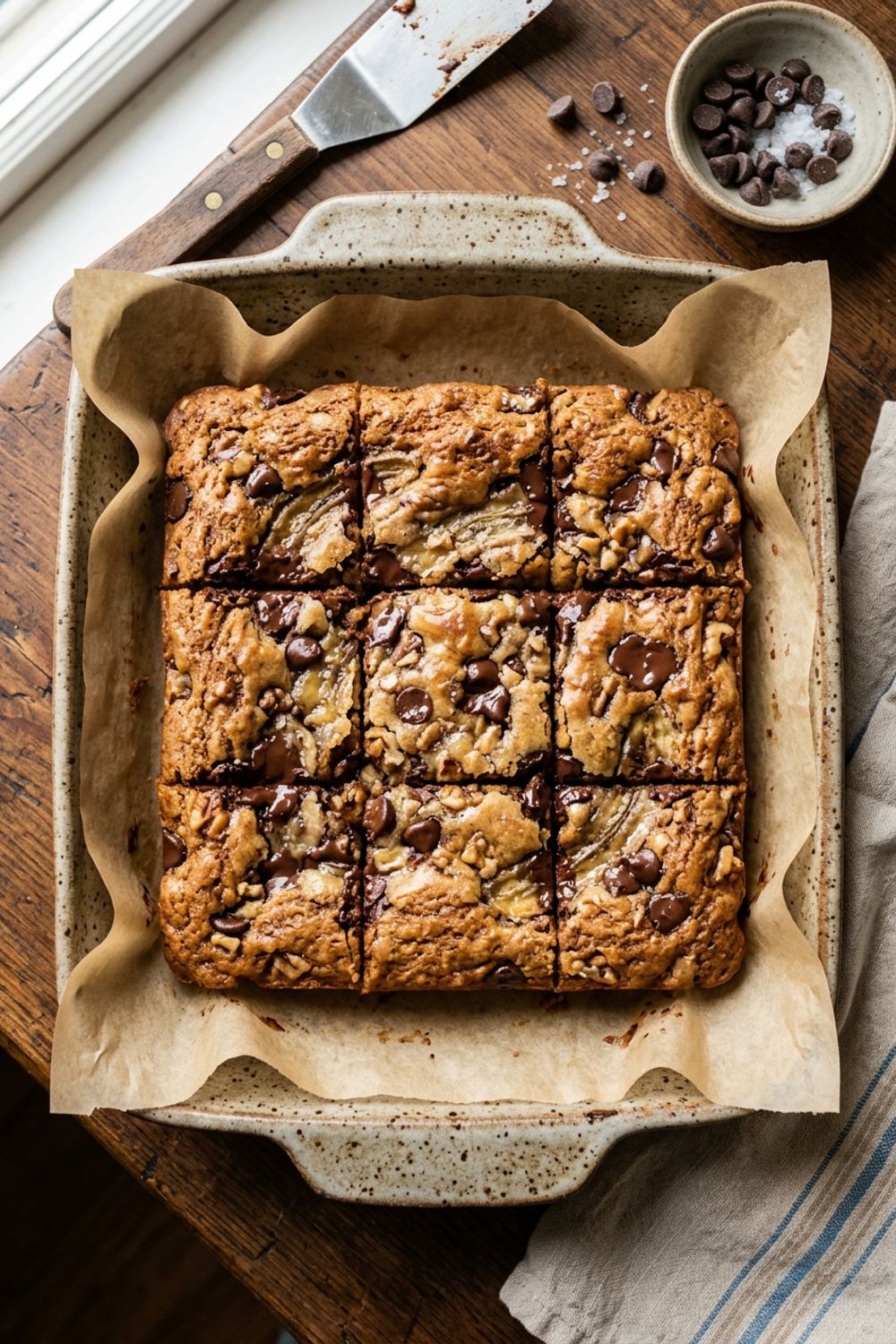
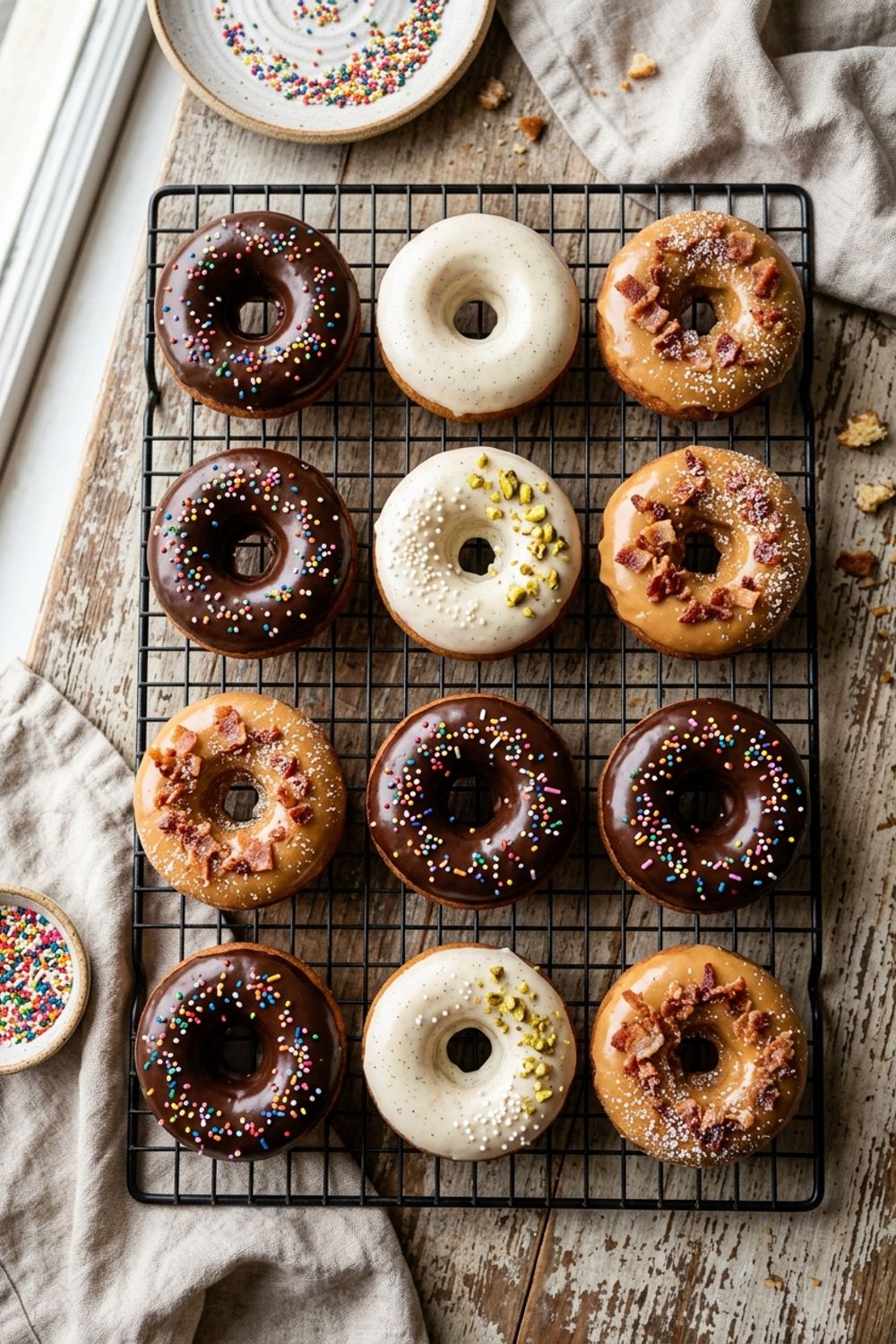
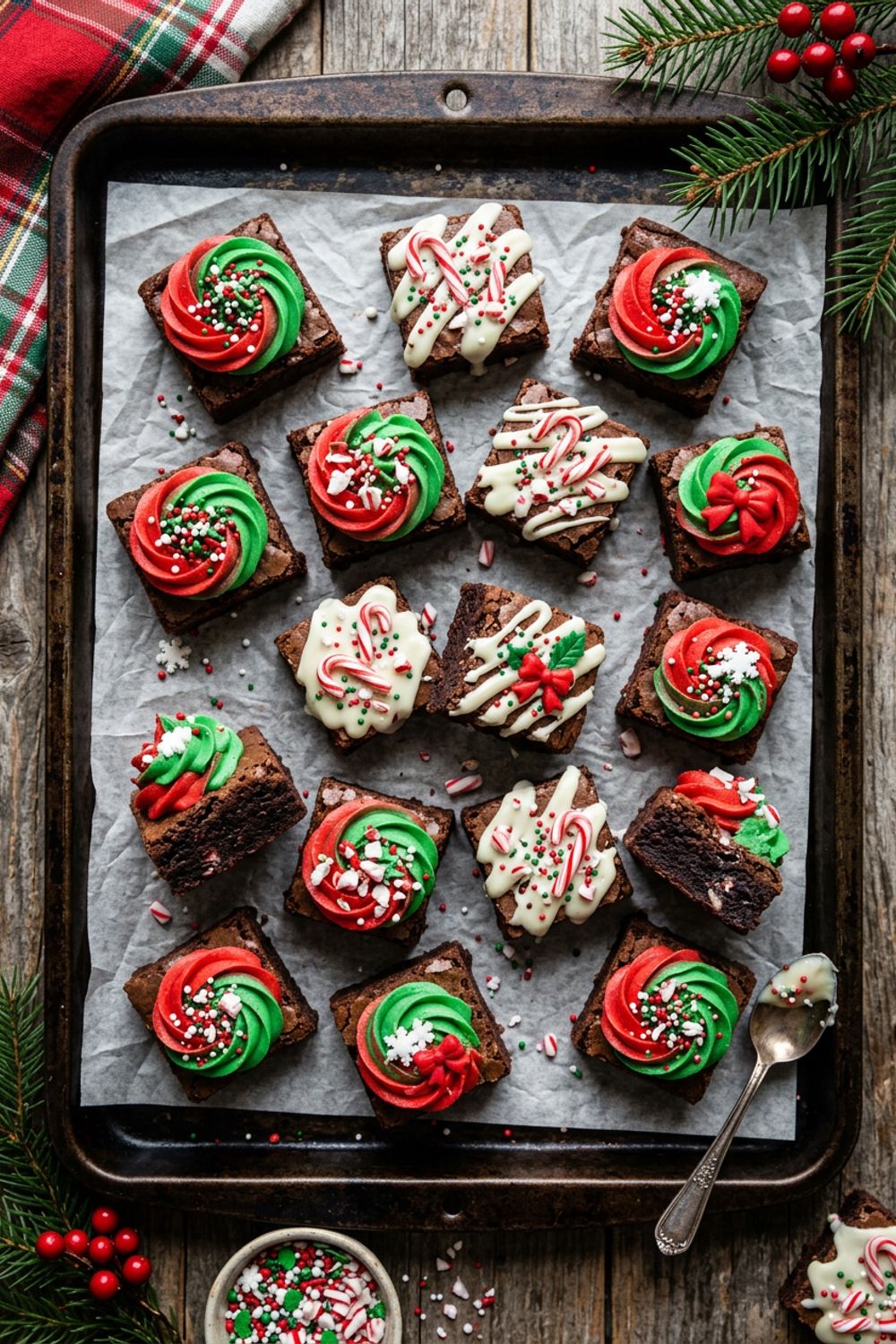
For more irresistible bar recipes, you will love my banana chocolate chip bars for a fruity twist, or try my christmas brownie bites for a chocolate-rich holiday version. If you want to explore other one-bowl baking projects, my cake donuts recipe is another crowd-pleaser that comes together fast.
Never Miss a Recipe
Join 5,000+ home cooks and get new recipes straight to your inbox.
Ingredients
Cookie Bar Batter
Optional Mix-ins
Instructions
- 1
Prepare the Pan
Preheat your oven to 350°F (175°C). Line a 9x13-inch baking pan with parchment paper, leaving an overhang on two sides for easy removal. Lightly spray the parchment with nonstick cooking spray.
- 2
Mix the Wet Ingredients
In a large bowl, stir together the peanut butter and melted butter until smooth and combined. Add the brown sugar and granulated sugar, stirring vigorously until the mixture is thick and well combined. Add the eggs one at a time, stirring after each until just incorporated. Stir in the vanilla extract.
- 3
Add the Dry Ingredients
Add the flour, baking powder, baking soda, and salt directly to the bowl. Stir with a wooden spoon or spatula until just combined — a few streaks of flour are fine. Fold in the chocolate chips and chopped peanuts if using. Do not overmix.
- 4
Spread and Bake
Transfer the batter to the prepared pan and spread it evenly with a spatula or the back of a spoon. The batter will be thick and sticky — wetting the spatula slightly makes spreading easier. Bake at 350°F (175°C) for 20 to 22 minutes, until the edges are golden brown and the center is just barely set. The center will look slightly underdone — this is exactly what you want for chewy bars.
- 5
Cool Completely
Let the bars cool completely in the pan on a wire rack, at least 30 minutes. The bars continue to firm up as they cool. Once cool, use the parchment overhang to lift the entire slab out of the pan. Cut into 16 bars.
- 6
Serve
Serve at room temperature for the chewiest texture, or warm them briefly in the microwave for 10 seconds for a soft, gooey experience. Store in an airtight container.
Nutrition Information
Per serving (serves 16). Values are approximate.
| Calories | 265 calories |
| Total Fat | 14g |
| Saturated Fat | 5g |
| Carbohydrates | 30g |
| Sugar | 19g |
| Protein | 6g |
| Sodium | 210mg |
| Fiber | 1g |
* Percent Daily Values are based on a 2,000 calorie diet. Your daily values may be higher or lower depending on your calorie needs. Nutritional information is an estimate and may vary.
Frequently Asked Questions
Can I use natural peanut butter?
I recommend using regular creamy peanut butter like Jif or Skippy for the best texture. Natural peanut butter has a different oil content and can make the bars greasy or dry depending on the brand. If you use natural, make sure it is well stirred and at room temperature.
Can I use crunchy peanut butter?
Absolutely! Crunchy peanut butter adds a wonderful textural element to these bars. The peanut pieces toast slightly in the oven and add little pops of crunch throughout.
My bars are too crumbly. What went wrong?
Overbaking is the most likely culprit. Pull the bars when the center still looks slightly underdone — they set completely as they cool. Also, make sure you are using enough peanut butter and butter, as the fats are what hold the bars together.
Can I make these gluten-free?
Yes! Replace the all-purpose flour with a 1:1 gluten-free baking flour blend like Bob's Red Mill. The results are very similar in texture and taste.

Hi, I'm Lisa!
I create simple, tested recipes from around the world that anyone can make at home.
Learn More →Reader Reviews
Based on 189 reviews