Quick & Easy
Classic French Crêpes
Why This Classic Crêpe Recipe Is Special
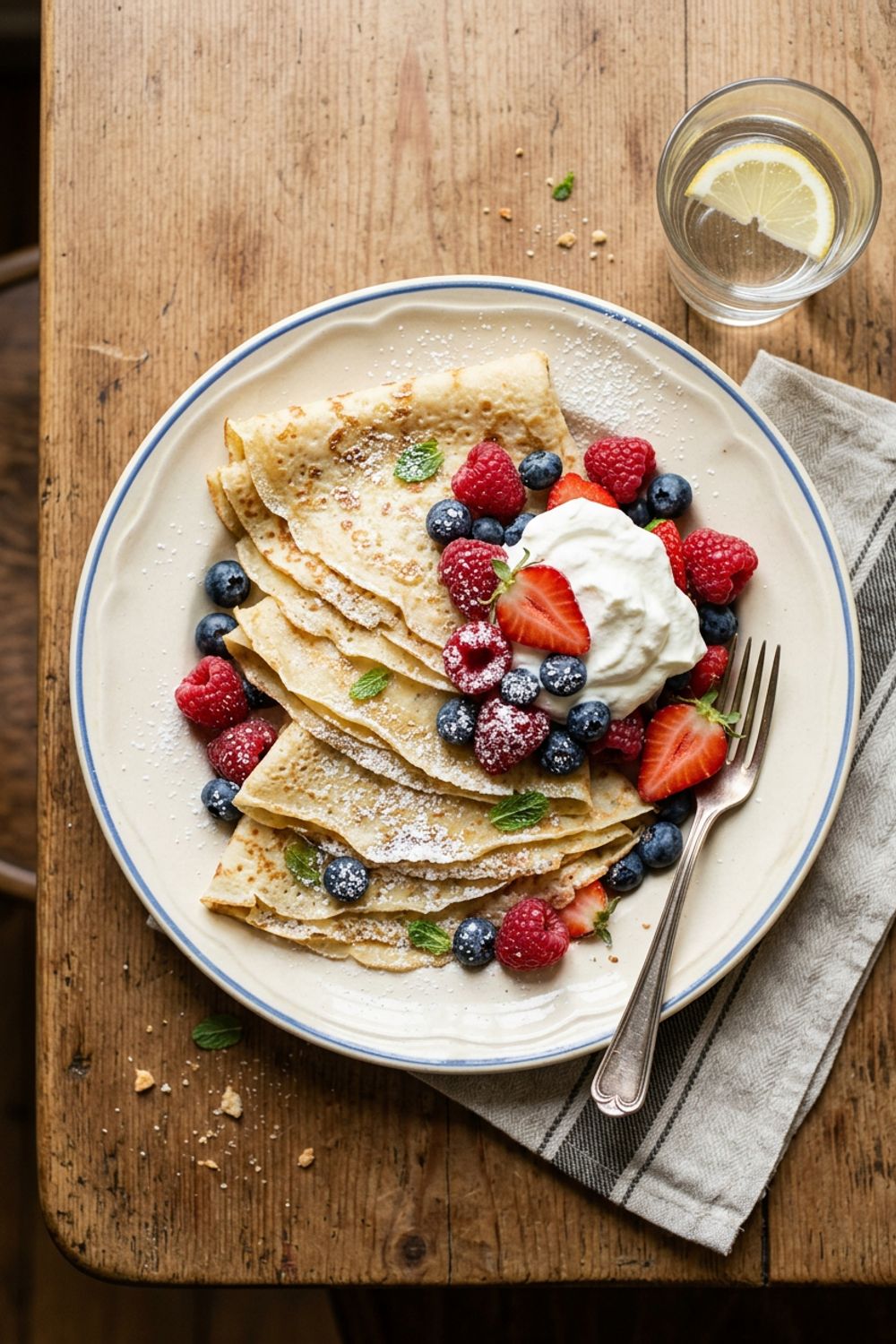
If there is one recipe that makes me feel instantly transported to a Parisian sidewalk café, it is a freshly made crêpe. Thin as lace, golden around the edges, impossibly delicate yet surprisingly sturdy, a well-made crêpe is one of the most versatile and satisfying things you can make in a kitchen. And despite what you might think, they are not difficult at all. In fact, I would argue that a crêpe is significantly easier to make than an American pancake because there is no worrying about getting them fluffy — they are supposed to be flat.
I first made crêpes at home on a rainy Sunday morning when I was craving something special but did not want to go out. All I had were basic pantry staples — flour, eggs, milk, and butter — which, it turns out, is exactly all you need. That first batch was imperfect, the first crêpe was too thick and the second one tore, but by the third one I had found my rhythm and every crêpe after that was beautiful. That is another thing I love about this recipe — there is a natural learning curve built into each batch, and by the end you feel like a pro.
What makes this particular recipe my go-to is the ratio of milk to water. Many recipes use all milk, which makes the crêpes rich but heavy. Others use all water, which makes them light but bland. I split the difference, using equal parts of each, which gives you crêpes that are delicate and tender with just enough richness to taste buttery and satisfying. The melted butter in the batter adds flavor and helps prevent sticking, and a touch of vanilla makes the sweet version smell absolutely heavenly. This is the recipe I have been making for years, the one I have memorized, and the one I always come back to.
Understanding the Perfect Crêpe Batter
The crêpe batter is the simplest thing in the world — six ingredients whisked together in a bowl. But like most simple things in cooking, the details matter enormously. The consistency of the batter is the single most important factor in determining whether your crêpes will be thin, delicate, and beautiful, or thick, tough, and disappointing.
The finished batter should have the consistency of heavy cream. When you dip a spoon into it and lift it out, the batter should flow off in a smooth, continuous stream without any lumps. If it pours in thick globs, it is too thick and needs a splash more milk or water. If it runs off the spoon like water with no body at all, it is too thin and needs a tablespoon or two of additional flour. Getting this consistency right means your crêpes will spread evenly in the pan and cook to the perfect thinness.
I always add my liquid gradually, whisking the eggs into the flour first to create a thick paste, then thinning it out with the milk and water. This gradual method prevents lumps far better than dumping everything in at once. If you do get lumps despite your best efforts, pour the batter through a fine-mesh strainer and press any lumps through with the back of a spoon. A perfectly smooth batter is non-negotiable.
The resting period is not optional. I know it is tempting to skip ahead, especially when you are hungry, but those thirty minutes in the refrigerator accomplish two critical things. First, the flour granules fully absorb the liquid, which means the crêpes will have a more tender, uniform texture. Second, any gluten developed during mixing relaxes, which prevents the crêpes from being elastic and rubbery. Rested batter spreads more easily in the pan and produces crêpes that fold and roll without cracking.
Mastering the Pan Technique
The crêpe pan technique is where most beginners struggle, and honestly, it is where I struggled too for my first several batches. The key is understanding that you are working fast — the moment batter hits hot pan, you have about three seconds to swirl it before it starts setting. Hesitation leads to thick, uneven crêpes.
I start by heating my pan over medium heat for a full two minutes before making the first crêpe. The pan needs to be evenly hot, not scorching. A drop of batter should sizzle immediately on contact but not smoke or burn. Too hot, and the batter sets before you can swirl it. Too cool, and it sits there in a pool without spreading.
The pour-and-swirl is a dance you will learn with practice. I hold the pan handle in my dominant hand, lift it off the burner, and pour the batter into the center with my other hand. Then I immediately tilt the pan in a smooth circular motion, letting gravity carry the batter to the edges. The trick is one continuous fluid motion, not jerky tilts in different directions. Think of it as drawing a circle with the bottom of the pan.
Once you set the pan back on the heat, resist the urge to touch the crêpe. Let it cook undisturbed until the edges start curling away from the pan and the surface goes from glossy and wet to matte and dry. When you peek underneath with a spatula and see golden-brown coloring, it is time to flip. I use a thin, flexible spatula to loosen the edges all the way around, then slide it under the center and flip in one confident motion. The second side cooks much faster, usually thirty to forty-five seconds, and will have an attractive spotted pattern rather than the even golden color of the first side.
Tips for Perfect Crêpes Every Time
The first crêpe is always a sacrifice. Every crêpe cook in France knows this, and it is a tradition I have fully embraced. The first crêpe tests your pan temperature, your batter consistency, and your swirling technique. It is almost never perfect, and that is completely fine. Eat it immediately as the cook’s reward and adjust your heat or batter as needed for the rest of the batch.
Butter the pan sparingly. A crêpe pan should have the thinnest possible film of butter — just enough to prevent sticking without creating a greasy layer that interferes with the batter spreading evenly. I dip a folded paper towel in melted butter and wipe the pan surface lightly. You do not need to re-butter between every crêpe. Once every two or three is usually sufficient with a well-seasoned non-stick pan.
Control your pour amount. Using too much batter is the most common mistake I see. For an eight-inch pan, three tablespoons of batter is all you need. It might seem like too little when you first pour it in, but once you swirl it around the pan, it will cover the entire surface in a paper-thin layer. If you find yourself with thick, pancake-like crêpes, reduce the amount of batter per crêpe.
Stack them to stay warm and pliable. As you cook each crêpe, stack them directly on top of each other on a plate. The steam trapped between the layers keeps them warm and supple, preventing the edges from drying out and becoming brittle. If you are making crêpes for a crowd, keep the stacked plate in a 200°F oven with a clean towel draped over the top.
Let the batter thicken naturally. As the batter sits, it may thicken slightly. This is normal — the flour continues to absorb liquid. If it becomes too thick to swirl easily, stir in a tablespoon of milk or water to bring it back to the right consistency. Check and adjust every few crêpes.
Variations to Try
Buckwheat Galettes. Replace half the all-purpose flour with buckwheat flour, omit the sugar and vanilla, and add an extra pinch of salt. These savory galettes are the traditional Breton crêpe used for ham, cheese, and egg fillings. The buckwheat adds a nutty, earthy flavor and a slightly crispier texture.
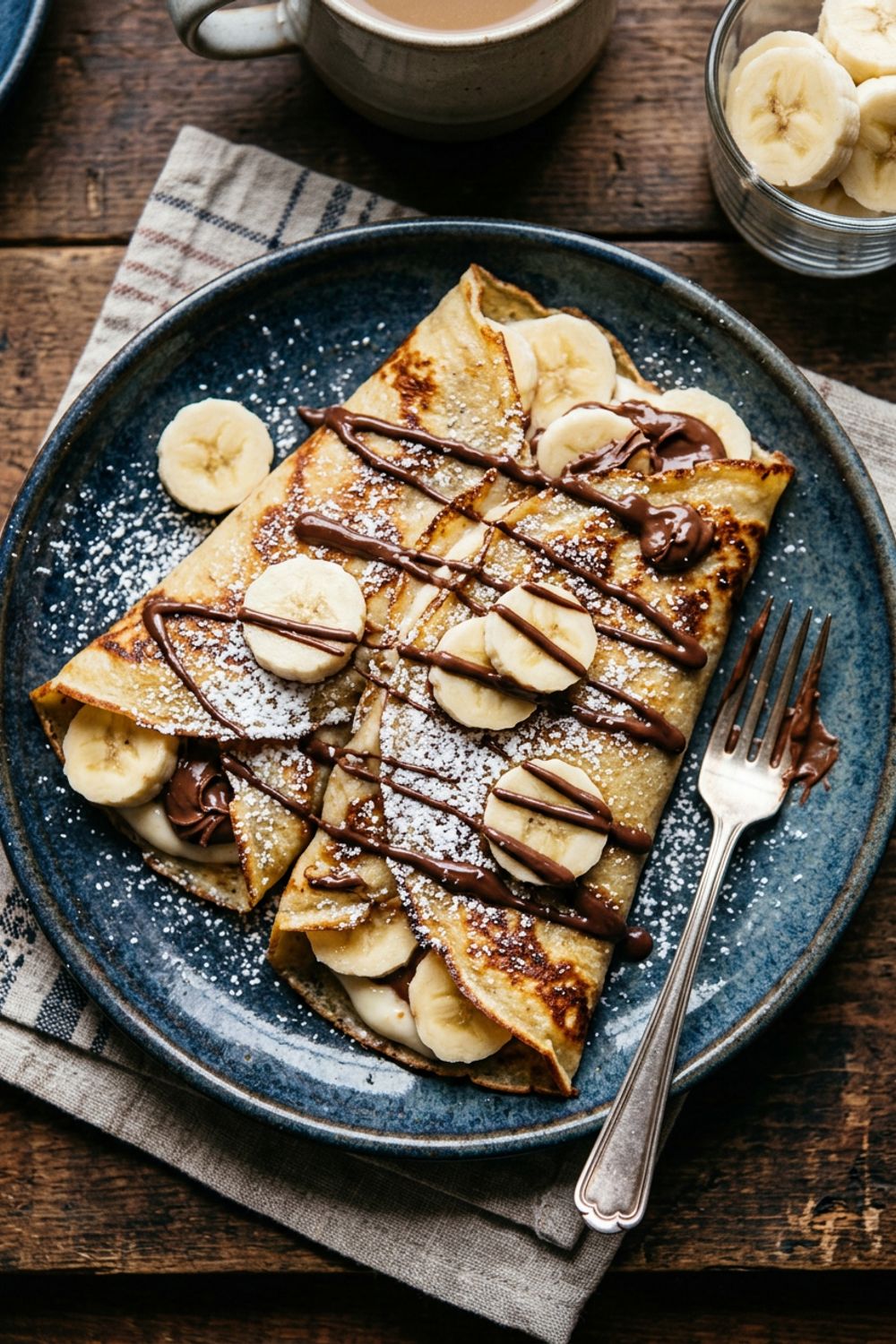
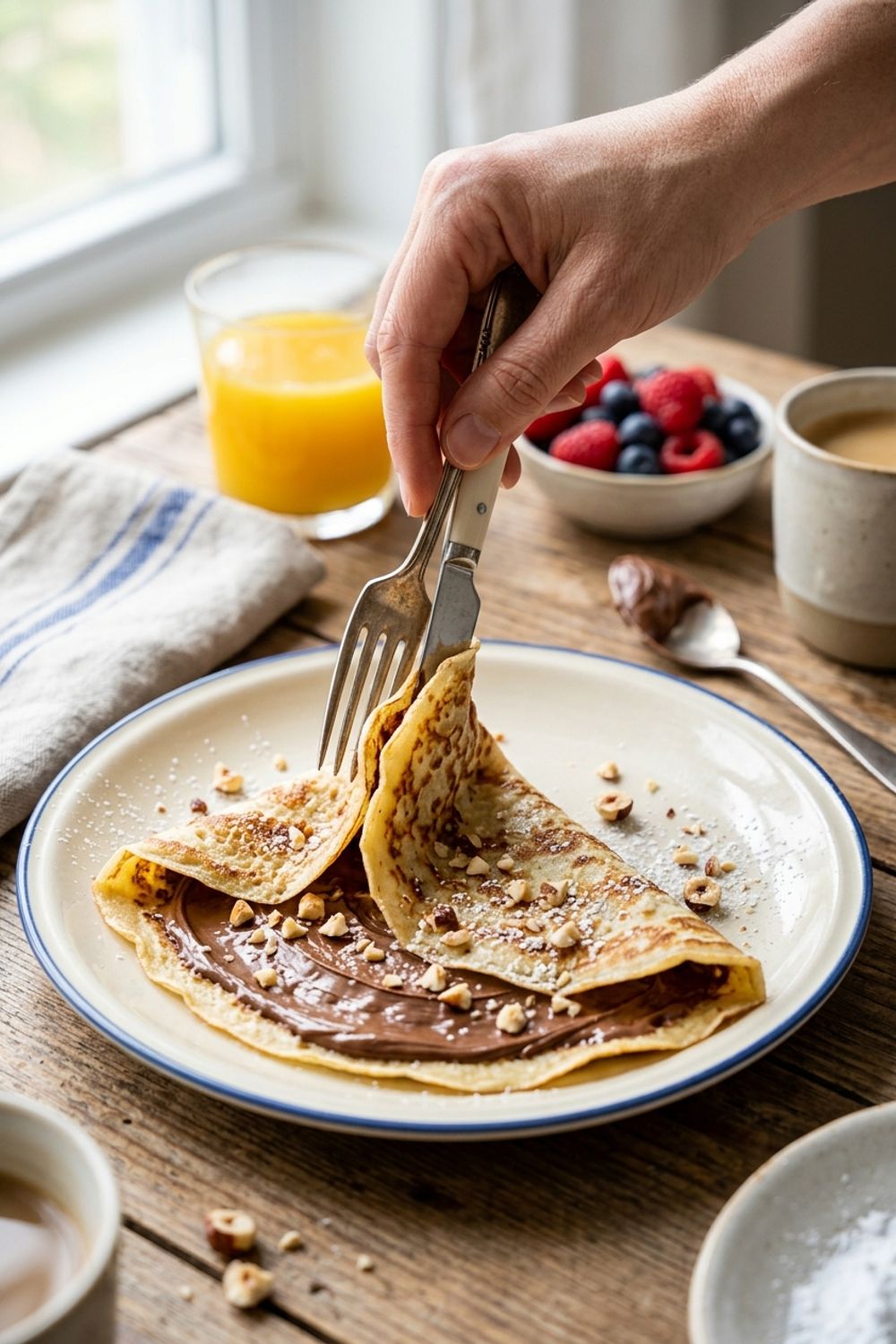
Chocolate Crêpes. Add two tablespoons of unsweetened cocoa powder and an extra tablespoon of sugar to the dry ingredients. These dark, rich crêpes are stunning filled with whipped cream and fresh strawberries, or try them with my Nutella crêpes filling for double chocolate decadence.
Lemon Sugar — The Classic. Spread each warm crêpe with a thin layer of butter, squeeze fresh lemon juice over the surface, and sprinkle with granulated sugar. Fold into quarters. This is the most traditional French street crêpe and, in my opinion, still the best. The combination of tangy lemon, sweet sugar, and buttery crêpe is perfection.
Crêpes Suzette. For a show-stopping dessert, make an orange butter sauce by melting four tablespoons of butter with a quarter cup of sugar, the juice and zest of two oranges, and two tablespoons of Grand Marnier. Fold the crêpes into quarters, nestle them in the sauce, and warm through. Traditionally flambéed tableside, but entirely optional.
Savory Herb Crêpes. Omit the sugar and vanilla and add two tablespoons of finely chopped fresh herbs — chives, parsley, and tarragon is a classic combination. Fill with creamy scrambled eggs and smoked salmon for an elegant brunch, or with ratatouille for a light dinner.
How to Store Crêpes
Crêpes are one of the most freezer-friendly foods I know, which makes them ideal for batch cooking. Stack cooled crêpes with a small piece of parchment paper or wax paper between each one to prevent sticking, then seal the entire stack in a large freezer bag or wrap tightly in plastic wrap and aluminum foil. They freeze beautifully for up to two months.
To thaw, move the stack to the refrigerator the night before you plan to use them, or thaw at room temperature for about thirty minutes. You can also peel off individual frozen crêpes and microwave them for fifteen to twenty seconds each. In the refrigerator, a well-wrapped stack of crêpes lasts four to five days. Bring them to room temperature or warm them briefly in a dry pan before filling and serving.
Leftover batter can be stored in the refrigerator for up to 48 hours in a covered container. Give it a good stir before using, as the flour tends to settle. You may need to add a splash of milk to bring it back to the right pouring consistency.
Troubleshooting
Crêpes are too thick. You are using too much batter per crêpe or the batter itself is too thick. Reduce to two and a half tablespoons per crêpe and thin the batter with a tablespoon of milk or water if needed. Also make sure your swirl technique covers the entire pan surface.
Crêpes have holes. The pan was too hot, causing the batter to set before it could spread evenly. Reduce the heat slightly and make sure you are lifting the pan off the burner before pouring to give yourself more control. A few small holes are normal and even charming, but large gaps mean the heat is too aggressive.
Crêpes are sticking to the pan. Either the pan was not buttered properly, the batter did not have enough fat, or you are using a pan without a good non-stick surface. For stubborn sticking, add an extra tablespoon of melted butter to the batter and make sure to butter the pan lightly before each crêpe.
Crêpes are rubbery and tough. The batter was not rested long enough, or it was over-mixed after resting. Rest for at least thirty minutes and stir gently before cooking — do not re-whisk aggressively, which re-develops gluten and toughens the texture.
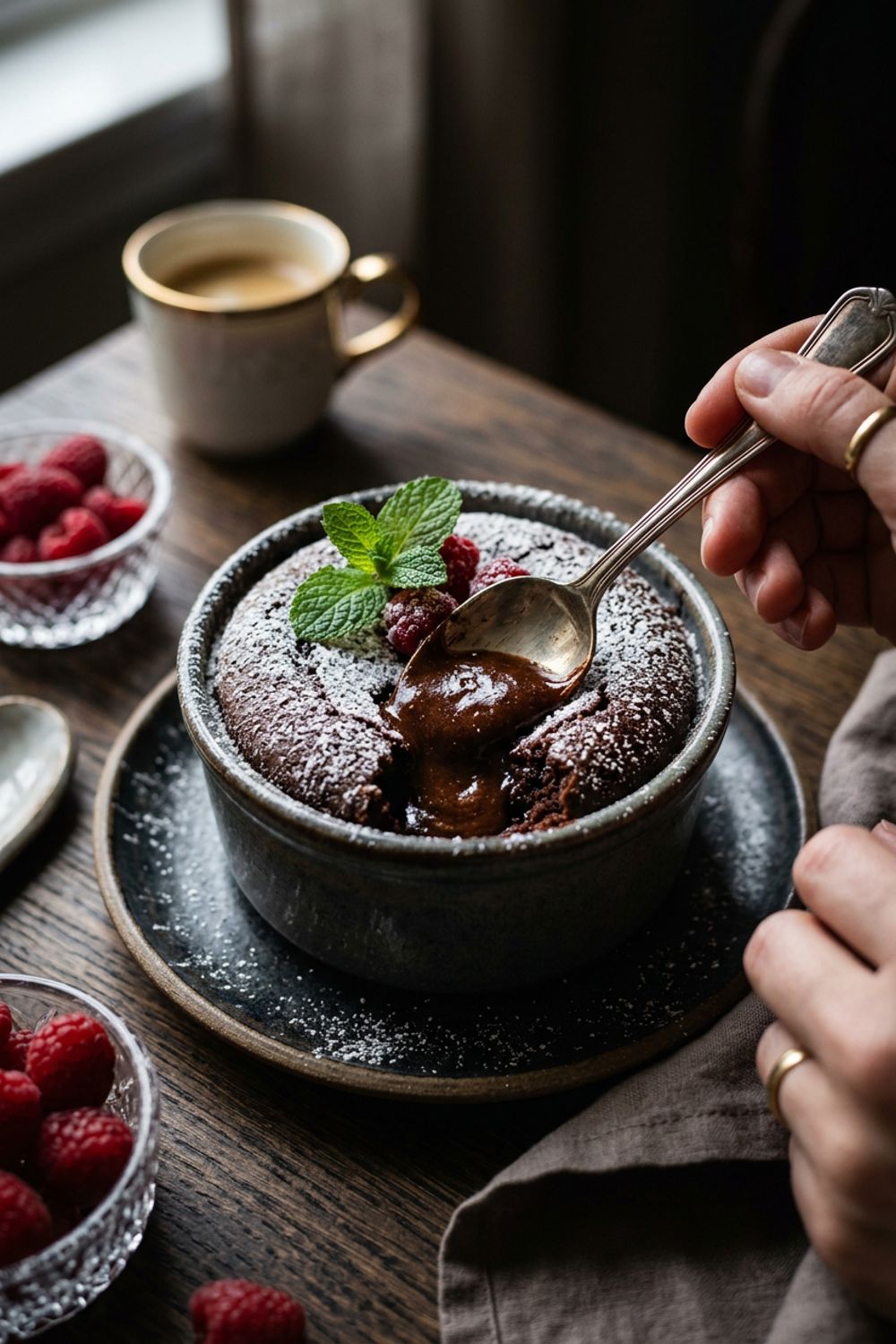
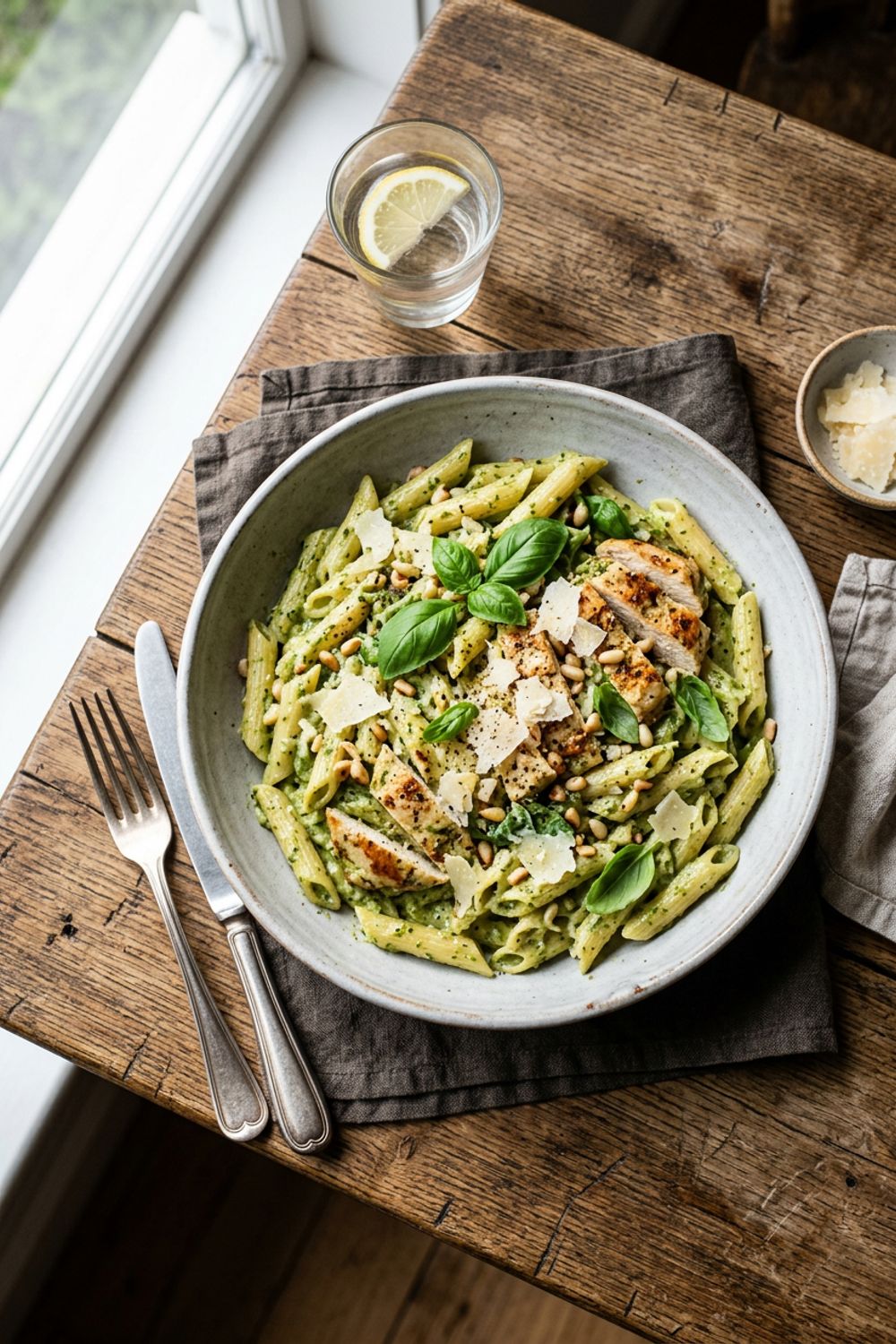
Nothing says weekend morning quite like a batch of warm crêpes with your favorite fillings. If you love these classic crêpes, you absolutely must try my Nutella crêpes for the ultimate indulgent breakfast. For another French-inspired treat, my chocolate lava cake delivers that same satisfying richness. And when you are ready for something savory, my creamy pesto chicken pasta is another quick-and-easy favorite that comes together in no time.
Never Miss a Recipe
Join 5,000+ home cooks and get new recipes straight to your inbox.
Ingredients
Crêpe Batter
For Serving
Instructions
- 1
Make the Batter
In a large bowl, whisk together the flour, sugar, and salt. Make a well in the center and add the eggs. Whisk the eggs, gradually incorporating the flour from the edges. Slowly pour in the milk and water while whisking until smooth. Add the melted butter and vanilla extract. The batter should be thin and smooth, like heavy cream.
- 2
Rest the Batter
Cover the bowl with plastic wrap and refrigerate for at least 30 minutes, or up to 24 hours. Resting allows the flour to fully hydrate and the gluten to relax, resulting in more tender crêpes. Stir the batter gently before using — it will have thickened slightly.
- 3
Heat the Pan
Heat an 8 to 10-inch non-stick skillet or crêpe pan over medium heat. Brush with a thin layer of melted butter using a pastry brush or paper towel. The pan is ready when a drop of batter sizzles immediately on contact.
- 4
Pour and Swirl
Lift the pan off the heat and pour about 3 tablespoons (45ml) of batter into the center. Immediately tilt and rotate the pan in a circular motion to spread the batter into a thin, even layer that covers the entire bottom. Work quickly — the batter sets fast.
- 5
Cook the First Side
Return the pan to the heat and cook for 1-2 minutes until the edges begin to curl away from the pan and the bottom is lightly golden. You will see the surface go from shiny and wet to matte and dry.
- 6
Flip and Cook the Second Side
Loosen the edges with a thin spatula, then either flip the crêpe with a quick wrist motion or use the spatula to carefully turn it. Cook the second side for 30-45 seconds — it will develop light brown spots but will not brown as evenly as the first side.
- 7
Stack and Serve
Slide the finished crêpe onto a plate and repeat with the remaining batter, brushing the pan lightly with butter every 2-3 crêpes. Stack the finished crêpes on top of each other — the steam keeps them pliable. Serve with your choice of toppings.
Nutrition Information
Per serving (serves 12). Values are approximate.
| Calories | 95 calories |
| Total Fat | 4g |
| Saturated Fat | 2g |
| Carbohydrates | 12g |
| Sugar | 2g |
| Protein | 3g |
| Sodium | 65mg |
| Fiber | 0g |
* Percent Daily Values are based on a 2,000 calorie diet. Your daily values may be higher or lower depending on your calorie needs. Nutritional information is an estimate and may vary.
Frequently Asked Questions
Why do I need to rest the batter?
Resting allows the flour to fully absorb the liquid and the gluten strands to relax. This results in crêpes that are more tender, less rubbery, and easier to spread thin. Skipping this step produces crêpes that are tougher and more likely to tear.
Can I make crêpe batter in a blender?
Absolutely! Add the wet ingredients first, then the dry ingredients, and blend for about 20 seconds until smooth. This is actually my preferred method for a perfectly lump-free batter. You still need to rest the batter afterward.
Why are my crêpes tearing when I flip them?
The crêpes may be too thin, the pan may be too hot, or they may not be cooked enough on the first side before flipping. Wait until the edges curl and the surface looks completely dry before attempting to flip.
Can I make these crêpes savory?
Yes! Simply omit the sugar and vanilla extract. You can add a pinch of dried herbs to the batter if desired. Fill with ham and cheese, sautéed mushrooms, or spinach and egg for a savory meal.
How many crêpes does this recipe make?
This recipe yields about 12 crêpes using an 8-inch pan, or about 10 using a 10-inch pan. The exact number depends on how thin you spread the batter.

Hi, I'm Lisa!
I create simple, tested recipes from around the world that anyone can make at home.
Learn More →Reader Reviews
Based on 340 reviews