Chicken & Poultry
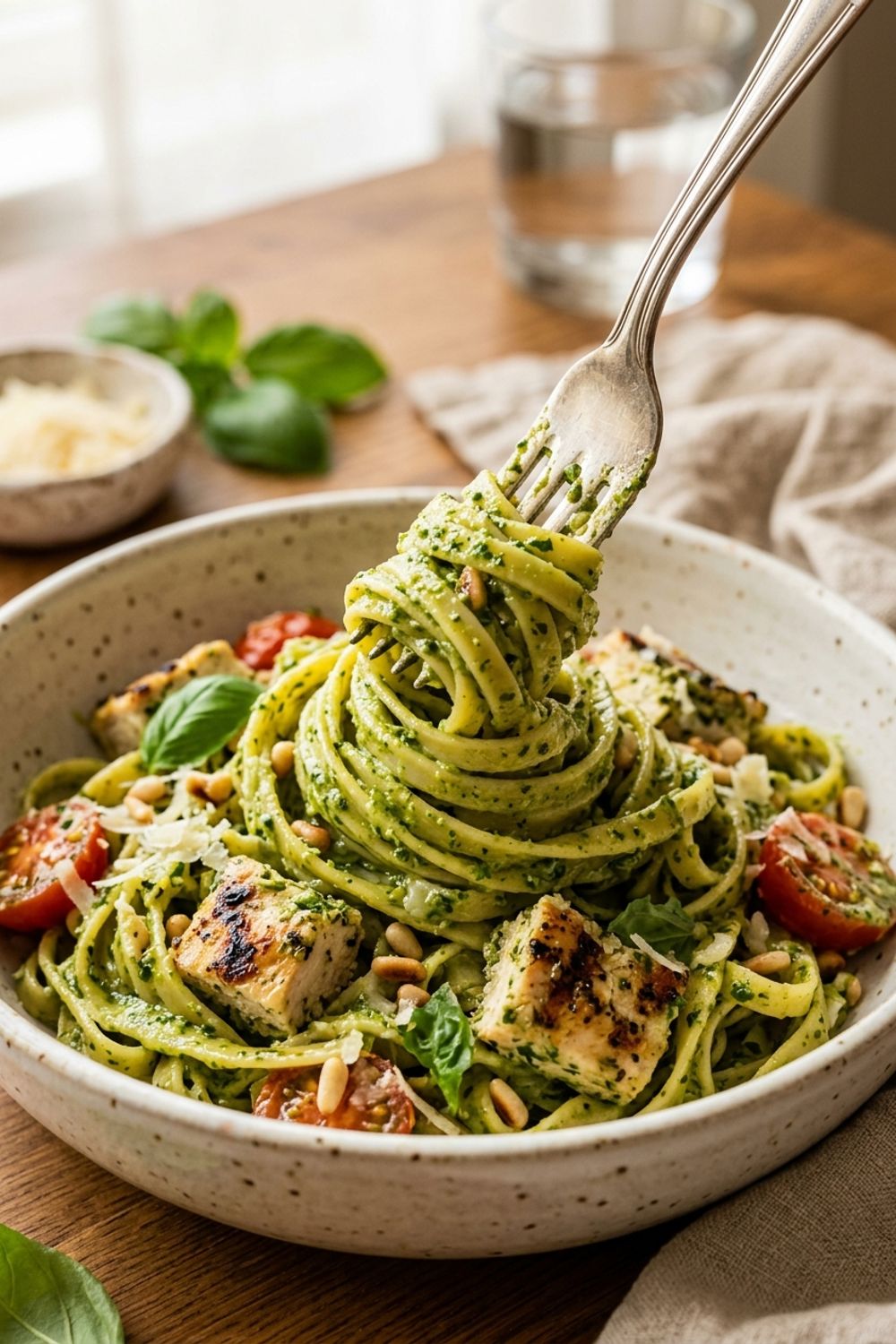
Creamy Pesto Chicken Pasta
Why This Recipe Is Special
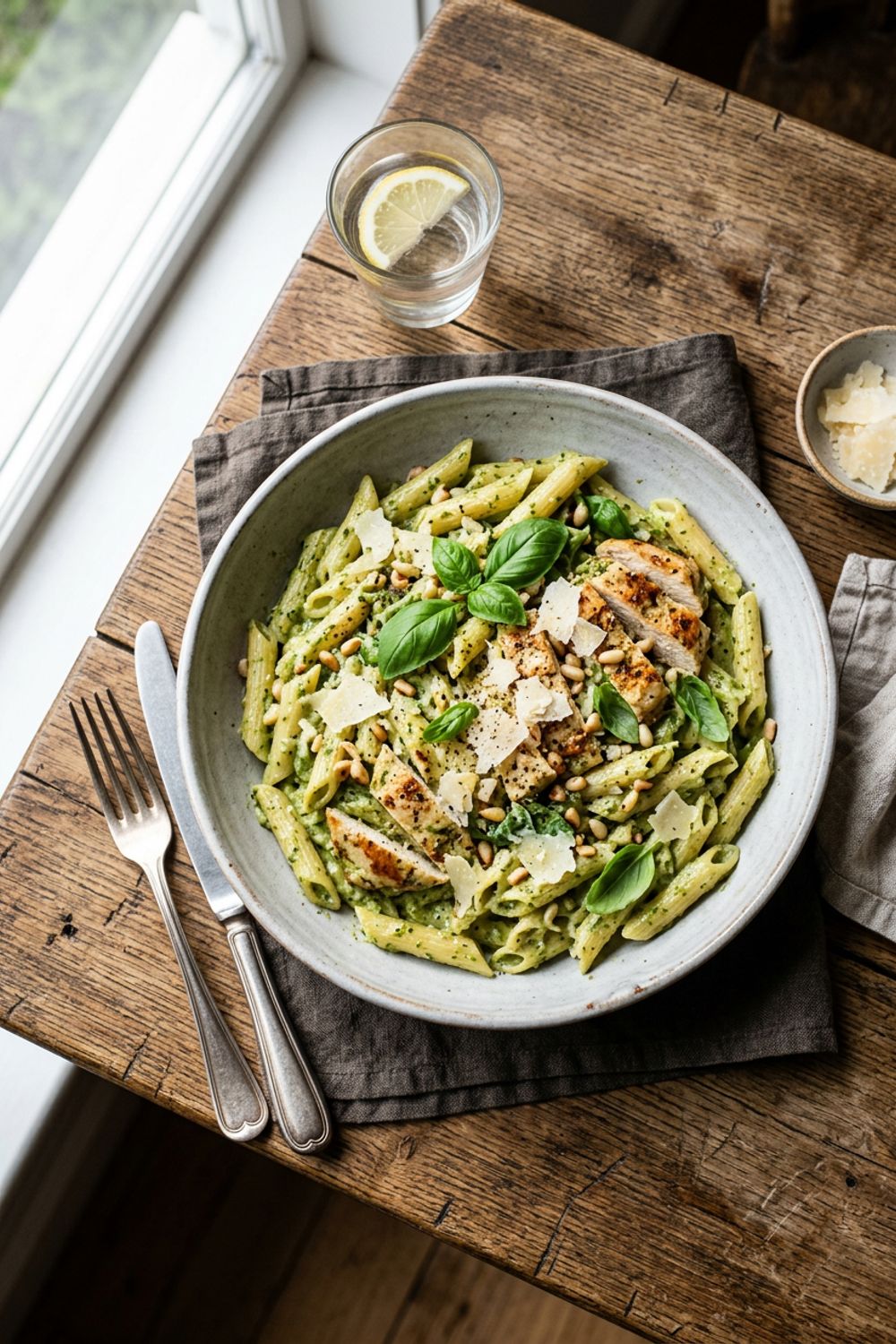
I have been making creamy pesto chicken pasta for years now, and I genuinely believe this is the kind of recipe that changes how you think about weeknight cooking. It started one evening when I had leftover basil wilting on my counter and a couple of chicken breasts thawed in the fridge. I threw together a quick pesto, made a simple cream sauce, and the result was so outrageously good that I have been refining it ever since.
What makes this version stand apart from other pesto pastas is the layered approach. Instead of just stirring pesto into plain pasta, I build a proper cream sauce base first — butter, garlic, heavy cream, and chicken broth — then fold the pesto into that luscious foundation. The result is a sauce that clings to every single piece of pasta, with that unmistakable basil-garlic fragrance amplified by the richness of the cream. The pan-seared chicken adds a satisfying protein element, with crispy golden edges that hold up beautifully against the creamy pasta.
I have served this to friends who claim they do not like pesto, and every single one of them has asked for the recipe. There is something about tempering the raw intensity of traditional pesto with cream that makes it universally appealing. The pine nuts add a subtle sweetness, the parmesan brings umami depth, and the lemon juice cuts through the richness just enough to keep you reaching for another forkful. This is comfort food at its finest, and I am so excited to share my perfected version with you.
The Secret to Perfect Pan-Seared Chicken
The chicken in this recipe is not an afterthought — it is a co-star alongside the pesto cream sauce, and getting that golden sear right makes all the difference. I start by patting the chicken breasts completely dry with paper towels. This might seem like a minor step, but surface moisture is the number one enemy of a good sear. If the chicken is wet, it steams instead of browning, and you lose that gorgeous caramelized crust.
I season simply with garlic powder, smoked paprika, salt, and pepper. The smoked paprika is a subtle addition, but it adds a warm, slightly sweet undertone that complements the basil pesto beautifully. You do not taste “paprika” in the finished dish — it just adds a layer of complexity that makes people wonder why the chicken tastes so good.
The key to searing is patience. Get your skillet properly hot before adding the oil. When the oil shimmers and you can feel the heat when you hold your hand a few inches above the pan, that is when the chicken goes in. Then leave it alone. I know it is tempting to peek and move things around, but let the chicken sit undisturbed for a full 6-7 minutes. That uninterrupted contact with the hot pan is what creates the Maillard reaction — the browning that gives meat its incredible savory flavor.
After flipping, another 6-7 minutes on the second side should bring the internal temperature to 165°F (74°C). I always use an instant-read thermometer because chicken breast thickness varies wildly. Resting the chicken for at least 5 minutes before slicing is non-negotiable — it allows the juices to redistribute so they end up in the pasta, not all over your cutting board.
Building a Pesto That Pops
I want to talk about what makes a truly great pesto, because when it is the star flavor of your dish, the details matter enormously. Most people throw everything into a food processor and blitz it into a smooth green paste, but I take a slightly different approach that preserves more texture and freshness.
First, toast your pine nuts. Spread them in a single layer in a dry skillet over medium-low heat, shaking the pan every 30 seconds or so. They go from perfectly golden to burnt in about 10 seconds, so watch them like a hawk. Toasting brings out their natural oils and gives the pesto a deeper, nuttier flavor that raw pine nuts simply cannot match.
When processing, I start by pulsing — quick bursts rather than continuous blending. This gives you more control over the texture. I want the basil broken down but not completely pulverized. There should be tiny flecks of green visible in the finished pesto, not a uniform smooth paste. This keeps the basil flavor bright and almost grassy, rather than muted.
The olive oil goes in last, drizzled slowly through the feed tube while the processor runs. This creates a gentle emulsion that helps the pesto hold together. I add lemon juice right at the end — just one tablespoon — and it absolutely transforms the pesto. The acid brightens every other flavor and keeps the basil a vibrant green instead of turning that dull olive color that happens when basil oxidizes.
One more thing: I always make more pesto than I need for the pasta. The extra gets spooned over the finished dish as a garnish, giving you hits of bright, raw pesto flavor alongside the mellowed, creamy version in the sauce. It is a simple trick that adds incredible dimension.
Tips for Perfect Results
Use high-quality parmesan. I cannot stress this enough. The parmesan does heavy lifting in both the pesto and the cream sauce, so grab a wedge of genuine Parmigiano-Reggiano and grate it yourself. Pre-grated parmesan contains anti-caking agents like cellulose that prevent the cheese from melting smoothly into the sauce. The difference is night and day — freshly grated parmesan creates a silky, cohesive sauce, while the pre-grated stuff can make things grainy.
Reserve your pasta water religiously. Before you drain the pasta, scoop out at least one full cup of that starchy cooking liquid. Pasta water is liquid gold in cream sauces. The starch acts as a natural emulsifier, helping the cream, cheese, and pesto come together into a smooth, cohesive sauce that clings to the pasta instead of sliding off. If your sauce looks too thick after combining everything, add the pasta water just a tablespoon or two at a time until it reaches that perfect consistency — creamy enough to coat a spoon, but loose enough to flow.
Do not overcook the garlic in the cream sauce. Garlic goes from fragrant to bitter in a matter of seconds, especially when it is minced fine. I cook it for exactly 30 seconds — just until it smells incredible and turns barely golden. If your garlic starts to darken, pull the pan off the heat immediately and add the cream to stop the cooking. Burnt garlic will taint the entire sauce with an acrid bitterness that no amount of pesto can mask.
Finish the pasta in the sauce, not the colander. After draining, add the pasta directly to the skillet with the cream sauce and toss it over medium heat for about a minute. This allows the pasta to absorb some of the sauce and finish cooking in all that flavor. The starches on the pasta’s surface also help thicken the sauce further. This technique is what Italian cooks call “mantecare” — it is the difference between pasta with sauce on top and pasta that IS the sauce.
Slice the chicken against the grain. Look at the chicken breast and you will see lines running in one direction — those are the muscle fibers. Slice perpendicular to those lines, about half an inch thick. Cutting against the grain shortens those fibers, making each bite noticeably more tender. Slice with the grain and you get chewy, stringy chicken that fights back when you bite into it.
Variations to Try
Sun-Dried Tomato Pesto Version. Replace half of the fresh basil with 1/2 cup of oil-packed sun-dried tomatoes (drained) in the food processor. This creates a stunning reddish-orange pesto with a deeper, sweeter, more concentrated tomato flavor. It pairs beautifully with the cream sauce and gives the dish a completely different personality. Add a handful of fresh basil at the end for color.
Grilled Chicken Version. When the weather is warm, I take the seasoned chicken to the grill instead of the stovetop. Grill over medium-high heat for 6-7 minutes per side. The smokiness from the grill adds another dimension that plays incredibly well with the herbaceous pesto. Let the grilled chicken rest, then slice and fan it over the top of the creamy pasta for a restaurant-worthy presentation.
Mushroom and Pesto Addition. Before making the cream sauce, saute 8 oz (225g) of sliced cremini mushrooms in the same skillet used for the chicken. Cook them without moving for 3-4 minutes until deeply golden on one side, then flip and repeat. The mushrooms add an earthy meatiness that turns this into something truly special. Remove them, build the cream sauce, then fold the mushrooms back in with the pasta.
Spicy Arrabbiata Pesto Twist. Double the red pepper flakes in the cream sauce and add 1 tablespoon of chili crisp oil to the pesto. This creates a creamy-spicy-herby combination that is incredibly addictive. Top with extra red pepper flakes and a drizzle of chili oil. If you love heat, this version will become your new obsession — the cream tempers the spice just enough to keep it bold without being punishing.
Lemon-Herb Chicken Variation. Marinate the chicken in lemon juice, olive oil, dried oregano, and minced garlic for 30 minutes before searing. The lemon-herb chicken adds a brighter, more Mediterranean flavor to the dish. Add lemon zest to the pesto as well for a cohesive citrus note throughout.
How to Store
This creamy pesto chicken pasta stores beautifully in the refrigerator for up to 3 days in airtight containers. I recommend storing the chicken slices on top of the pasta rather than mixed in, as this prevents them from drying out. When you are ready to reheat, add a splash of chicken broth or whole milk to the container before microwaving. The cream sauce will have thickened considerably overnight, and the added liquid brings it back to the right consistency.
For microwave reheating, use 50% power in 1-minute intervals, stirring between each round. This prevents the cream sauce from breaking or the edges from getting rubbery. Stovetop reheating is even better — warm in a skillet over medium-low heat with a few tablespoons of broth, stirring gently until heated through.
I do not recommend freezing this pasta. The cream sauce can separate and become grainy when thawed, and the pasta tends to get mushy. If you want to prep ahead, make the pesto and season the chicken up to 2 days in advance, then cook everything fresh when you are ready to eat. The pesto actually improves after a day in the fridge as the flavors meld together.
Troubleshooting
Sauce is too thick and clumpy. This usually means the cream reduced too much before adding the pasta, or you did not reserve enough pasta water. Add warm broth or pasta water a tablespoon at a time, stirring constantly, until the sauce loosens up. Avoid adding cold liquid, which can cause the cheese to seize.
Sauce is too thin and runny. Let it simmer for another 2-3 minutes to reduce, or add an extra tablespoon of grated parmesan while stirring vigorously. The cheese will help thicken and emulsify the sauce. You can also toss the pasta in the sauce over medium heat — the starch from the pasta will help thicken things naturally.
Pesto turned brown. Basil oxidizes quickly once processed. Make sure to add the lemon juice, which slows browning. If your pesto sits for more than 15 minutes before using, press a layer of plastic wrap directly onto the surface to prevent air contact. For the brightest green color, blanch the basil for 10 seconds in boiling water, then shock in ice water before processing.
Chicken is dry. The most common culprit is overcooking. Use an instant-read thermometer and pull the chicken at exactly 165°F (74°C). If your chicken breasts are very thick, butterfly them or pound to an even 3/4-inch thickness before seasoning. This ensures even cooking so the outside does not dry out while the center finishes.
This creamy pesto chicken pasta has become one of my most-requested recipes, and I think once you make it, you will understand why. It hits every note — herbaceous, creamy, savory, and satisfying. If you love this dish, try my homemade butter chicken for another incredible chicken dinner, or my creamy garlic butter shrimp pasta for a seafood twist on the same creamy pasta concept. And for a rich, indulgent date-night pasta, do not miss my steak gorgonzola alfredo.
Never Miss a Recipe
Join 5,000+ home cooks and get new recipes straight to your inbox.
Ingredients
Chicken
Pesto
Pasta and Sauce
Instructions
- 1
Season and Sear the Chicken
Pat the chicken breasts dry with paper towels. Season both sides with garlic powder, smoked paprika, salt, and pepper. Heat 1 tablespoon olive oil in a large skillet over medium-high heat. Sear the chicken for 6-7 minutes per side until golden brown and the internal temperature reaches 165°F (74°C). Transfer to a cutting board and let rest for 5 minutes before slicing.
- 2
Make the Pesto
While the chicken cooks, combine the basil, toasted pine nuts, garlic, and parmesan in a food processor. Pulse several times to roughly chop. With the processor running, slowly drizzle in the olive oil until smooth. Add lemon juice and a pinch of salt, then pulse to combine. Set aside.
- 3
Cook the Pasta
Bring a large pot of generously salted water to a boil. Cook the penne according to package directions until al dente, about 10-12 minutes. Reserve 1 cup of pasta water before draining.
- 4
Build the Cream Sauce
In the same skillet used for the chicken, melt the butter over medium heat. Add the minced garlic and red pepper flakes, cooking for 30 seconds until fragrant. Pour in the heavy cream and chicken broth, stirring to combine. Bring to a gentle simmer and cook for 3-4 minutes until slightly thickened.
- 5
Combine Everything
Stir 1/4 cup of the prepared pesto into the cream sauce. Add the drained pasta and toss to coat. If the sauce is too thick, add reserved pasta water a few tablespoons at a time. Fold in the sliced chicken and grated parmesan. Serve topped with fresh basil, shaved parmesan, and an extra drizzle of pesto.
Nutrition Information
Per serving (serves 4). Values are approximate.
| Calories | 620 calories |
| Total Fat | 34g |
| Saturated Fat | 14g |
| Carbohydrates | 42g |
| Sugar | 3g |
| Protein | 38g |
| Sodium | 580mg |
| Fiber | 3g |
* Percent Daily Values are based on a 2,000 calorie diet. Your daily values may be higher or lower depending on your calorie needs. Nutritional information is an estimate and may vary.
Frequently Asked Questions
Can I use store-bought pesto instead of homemade?
Absolutely. Use about 1/3 cup of store-bought pesto in the cream sauce. Homemade will have a brighter, fresher flavor, but a good jarred pesto works in a pinch. Adjust salt accordingly since store-bought tends to be saltier.
What pasta shapes work best for this recipe?
Penne and rigatoni are ideal because the tubes trap the creamy sauce inside. Fusilli and farfalle also work well. Avoid thin pastas like angel hair, which can get overwhelmed by the thick sauce.
How do I make this recipe lighter?
Swap heavy cream for half-and-half or a mixture of whole milk thickened with 1 tablespoon of cornstarch. You can also reduce the butter and use chicken thighs for more flavor with less added fat.
Can I meal prep this pasta?
Yes, store in airtight containers for up to 3 days. The sauce will thicken in the fridge. Reheat with a splash of chicken broth or milk to loosen it back up.

Hi, I'm Lisa!
I create simple, tested recipes from around the world that anyone can make at home.
Learn More →Reader Reviews
Based on 247 reviews