Desserts & Baking
Coconut Cheesecake
Why This Coconut Cheesecake Recipe Is Special
I grew up spending summers at my grandmother’s house near the coast, and she always had this way of making coconut desserts that tasted like a tropical vacation on a plate. When I started developing recipes of my own, I knew I had to create a coconut cheesecake that captured that same feeling — something that would transport you to a beach with just one bite.
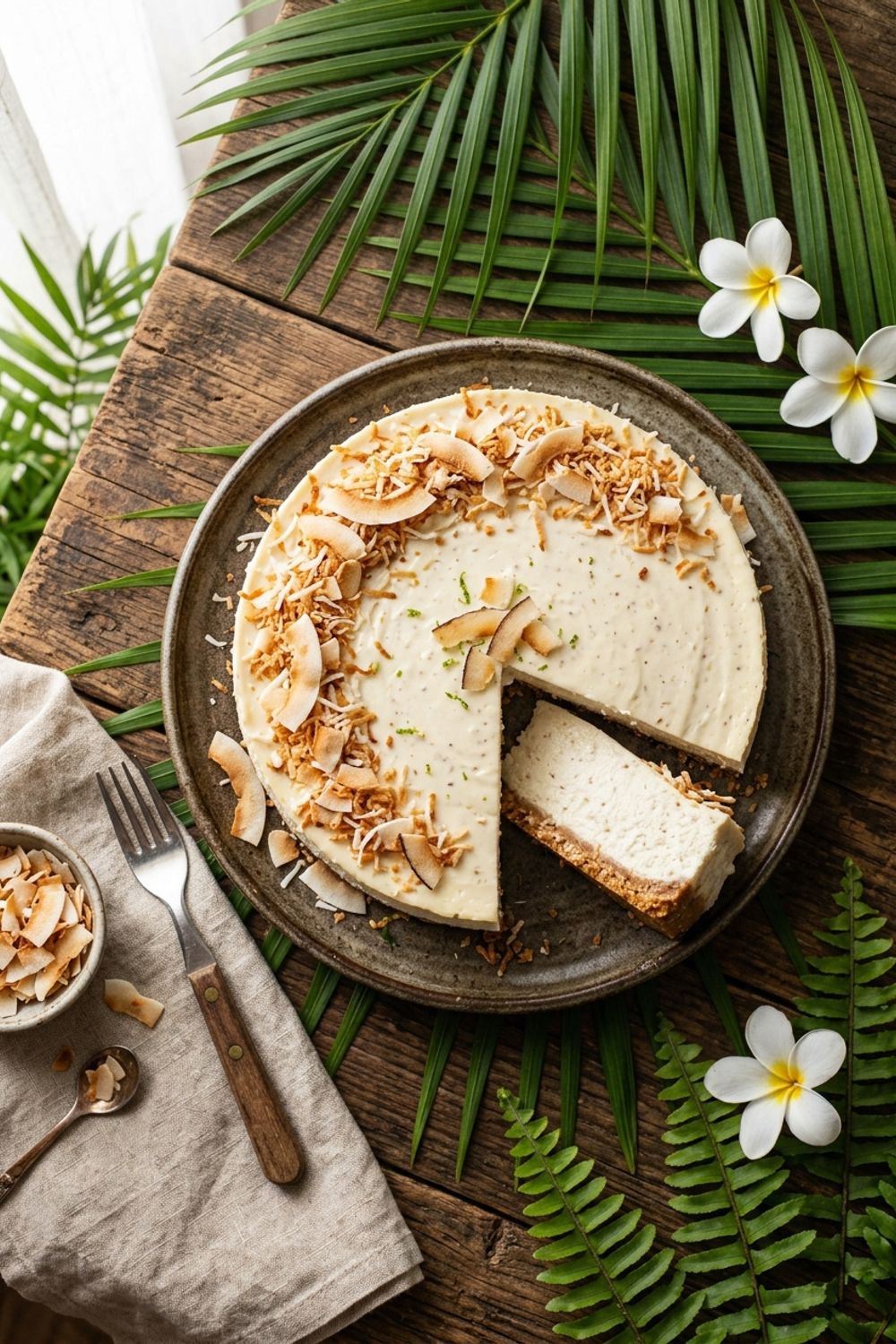
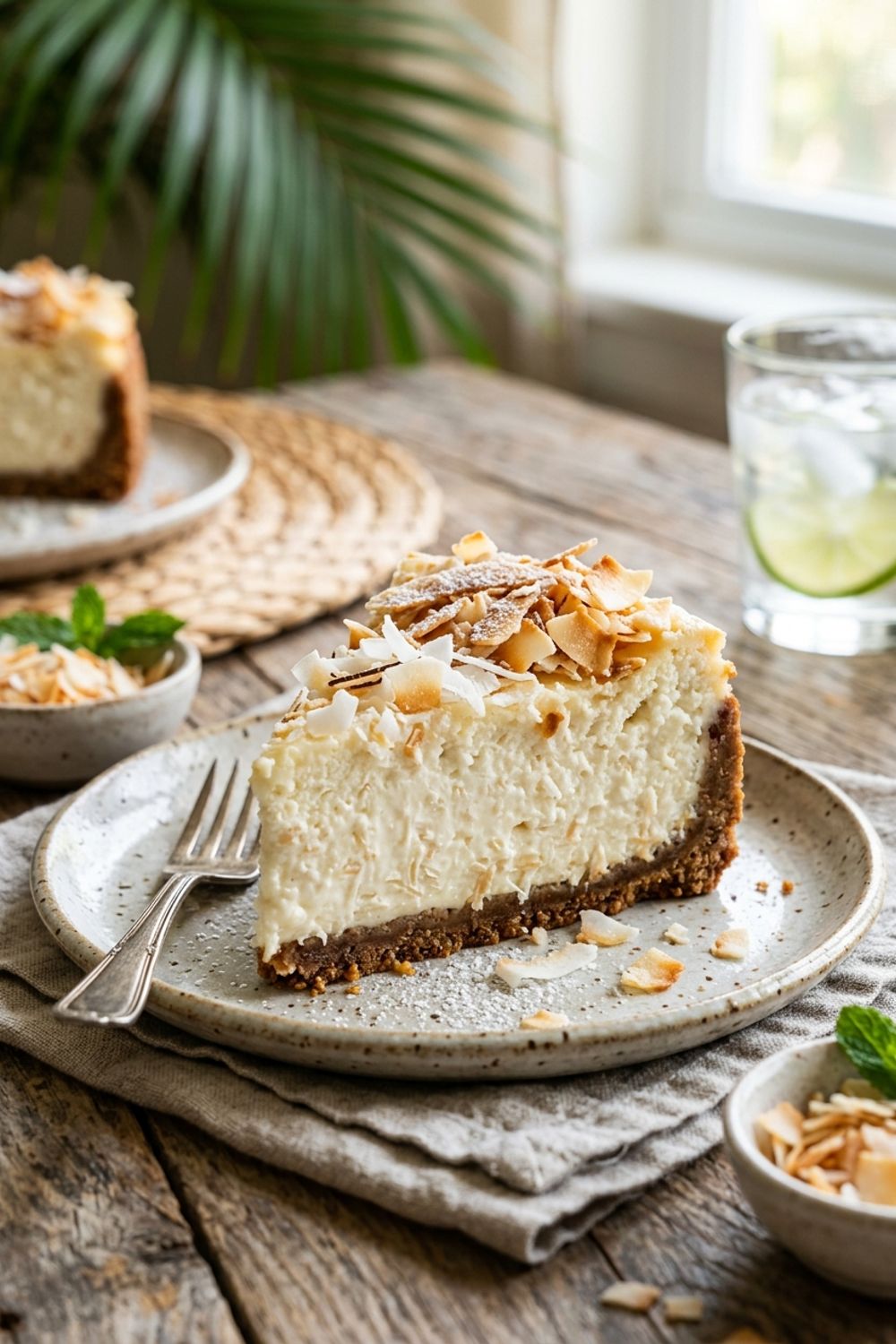
This cheesecake is special because I layer coconut flavor in three different ways. The crust has shredded coconut mixed into the graham cracker base. The filling uses full-fat coconut milk and coconut extract for a deep, authentic coconut flavor that is not the least bit artificial. And the topping features freshly toasted coconut over billowy whipped cream. Every single bite is a coconut experience from bottom to top.
What really sets this apart from other coconut cheesecakes I have tried is the texture. Using coconut milk instead of the traditional sour cream or heavy cream in the filling creates an incredibly silky, almost mousse-like consistency. It is dense enough to slice cleanly but light enough that you do not feel weighed down after a slice. I have made this for birthdays, summer barbecues, and potlucks, and every single time someone asks for the recipe. It is the kind of dessert that makes people close their eyes and sigh with happiness. I am not exaggerating — it really is that good, and I cannot wait for you to try it.
The Secret to Ultra-Creamy Cheesecake Texture
The single most important factor in achieving a perfectly creamy cheesecake is starting with room-temperature cream cheese. I cannot overstate this. Cold cream cheese creates lumps that no amount of mixing can fully smooth out, and those lumps lead to a grainy texture in the final product. I set my cream cheese out on the counter a full 2 hours before I start baking. If you forget, you can cut the blocks into cubes and microwave them in 10-second bursts, but the counter method is more reliable.
The second secret is the mixing technique. Once the cream cheese is smooth, you want to mix on low speed for the rest of the process. High-speed mixing whips air into the batter, and those air bubbles expand in the oven and then collapse as the cheesecake cools, which is one of the main causes of cracking and a dense, heavy texture. I add each egg individually and mix on the lowest setting my mixer has, just until the yolk streak disappears into the batter. It takes patience, but the result is worth every second.
The coconut milk adds moisture and fat without adding the tanginess that sour cream contributes. If you love that tangy cheesecake flavor, you can replace half the coconut milk with sour cream, but I find that the pure coconut milk version lets the coconut flavor shine brighter. Make sure you shake the can well before opening — you want the cream and the water fully combined for a consistent batter.
The flour in this recipe is minimal, just enough to give the cheesecake structure so it slices cleanly. Some purists leave flour out entirely, but I find that 3 tablespoons makes a noticeable difference in how neatly you can cut and plate each slice without it affecting the creamy texture at all.
Mastering the Water Bath
I know the water bath sounds intimidating if you have never done it before, but I promise it is simpler than it seems, and it makes such a dramatic difference in the final result that I will never bake a cheesecake without one. The water bath does two critical things: it provides gentle, even heat around the sides of the pan, and it creates steam in the oven that keeps the surface of the cheesecake moist.
Without a water bath, the edges of the cheesecake cook much faster than the center, which creates tension in the batter as it sets unevenly. That tension is what causes those frustrating cracks across the top. With the water bath, the entire cheesecake sets at roughly the same rate, giving you a perfectly smooth, crack-free surface.
Here is my foolproof method. I use heavy-duty aluminum foil and wrap it up the sides of the springform pan in two layers. Regular foil tears easily, so the double layer is insurance against water leaking in and making the crust soggy. If you want extra protection, you can place the springform pan inside a slightly larger round cake pan before wrapping with foil — this creates an additional barrier.
I always boil the water in a kettle rather than trying to carry a heavy roasting pan full of water to the oven. Place the filled cheesecake in the roasting pan first, put the whole thing in the oven, and then carefully pour the hot water around the springform pan. Fill it until the water comes about halfway up the sides. This method is safer and prevents spills.
Tips for the Perfect Coconut Cheesecake
Toast the coconut low and slow. It takes only 5 to 7 minutes to go from white to golden brown, and just 30 seconds more to go from golden to burnt. I stir every 2 minutes and pull it from the oven when it is a shade lighter than I ultimately want, because the residual heat on the hot pan continues toasting for another minute. Spread it on a cool plate immediately to stop the cooking process.
Use full-fat coconut milk, not light. The fat in full-fat coconut milk is what gives this cheesecake its luxurious, creamy texture and deep coconut flavor. Light coconut milk has too much water and will make the filling thinner and less flavorful. I prefer brands like Thai Kitchen or Chaokoh, which have a high cream-to-water ratio. Check the ingredient list and avoid brands with gums and emulsifiers.
Invest in a quality coconut extract. Not all coconut extracts are created equal. Some taste artificial and almost chemical. I use McCormick or Nielsen-Massey coconut extract, which both have a clean, natural coconut flavor. If you can find coconut paste or concentrated coconut cream, even better — a tablespoon of that in addition to the extract takes the flavor to another level.
Let the cheesecake cool slowly and completely. Rapid temperature changes cause cracking. After baking, turn off the oven, crack the door open, and let the cheesecake sit inside for a full hour. Then move it to the counter for 30 minutes before refrigerating. This gradual cooling prevents the surface from contracting too quickly.
Chill for a full 6 hours minimum. I know it is tempting to cut into it sooner, but the cheesecake needs time to fully set in the refrigerator. The texture at 4 hours is noticeably softer and less sliceable than at 6 hours. Overnight is ideal — the flavors meld and the texture firms to absolute perfection.
Variations to Try
Coconut Lime Cheesecake. Add the zest of 3 limes and 2 tablespoons of fresh lime juice to the batter. The bright citrus cuts through the richness of the coconut and cream cheese, creating a tropical flavor combination that is absolutely incredible. Garnish with thin lime slices and toasted coconut.
Chocolate Coconut Cheesecake. Melt 8 ounces of semi-sweet chocolate and swirl it into the batter after pouring it into the crust. Use a knife to create a marbled pattern. The combination of dark chocolate and coconut is reminiscent of an upscale Mounds bar. Drizzle extra melted chocolate over the finished cheesecake for drama.
Piña Colada Cheesecake. Add 1/2 cup of well-drained crushed pineapple and 2 tablespoons of rum (or 1 teaspoon rum extract) to the batter. Top with whipped cream, toasted coconut, and a few pieces of caramelized pineapple. This variation tastes like a piña colada in cheesecake form — perfect for summer gatherings.
Coconut Macadamia Cheesecake. Fold 1/2 cup of chopped, toasted macadamia nuts into the batter and add another 1/4 cup to the crust mixture. The buttery crunch of the macadamias pairs beautifully with the creamy coconut filling. Drizzle with a simple white chocolate ganache for an elegant finish.
Vegan Coconut Cheesecake. Replace the cream cheese with 4 packages of vegan cream cheese and use coconut oil instead of butter in the crust. Substitute the eggs with 1/2 cup of cornstarch whisked into the coconut milk. Use full-fat coconut cream for the whipped topping. The texture is slightly different but still absolutely delicious.
How to Store Coconut Cheesecake
This cheesecake stores beautifully in the refrigerator. Cover it tightly with plastic wrap or place it in an airtight container and it will keep for up to 5 days. The toasted coconut topping may soften slightly after a day or two in the fridge, so if appearance matters for a special occasion, I recommend adding the topping just before serving and storing extra toasted coconut in a sealed jar at room temperature.
For longer storage, you can freeze the cheesecake (without the whipped cream and toasted coconut topping) for up to 2 months. Wrap the entire cheesecake tightly in plastic wrap, then in aluminum foil. Thaw overnight in the refrigerator before adding the toppings and serving. Individual slices can be frozen in separate containers for easy grab-and-go portions — they thaw in about 2 hours at room temperature or 4 hours in the fridge.
When slicing, dip a sharp knife in hot water and wipe it clean between each cut. This gives you those bakery-perfect clean slices that show off the beautiful layers of crust, filling, and topping.
Troubleshooting Common Coconut Cheesecake Issues
The cheesecake cracked on top. This is usually caused by overbaking, overmixing (too much air), or cooling too quickly. Next time, use the water bath, mix on low speed once the eggs are added, and cool the cheesecake gradually in the turned-off oven. If the crack is cosmetic, the whipped cream topping hides everything beautifully.
The crust is soggy. Water may have leaked through the foil into the springform pan. Double-wrap with heavy-duty foil next time, or use the pan-within-a-pan method. Also, prebaking the crust for a full 10 minutes helps create a moisture barrier.
The cheesecake tastes too eggy. This usually means the eggs were not fully incorporated into the cream cheese mixture. Make sure the cream cheese base is perfectly smooth before adding eggs, and mix each egg in completely on low speed before adding the next.
The center is still jiggly after the recommended bake time. A slight jiggle in the center is exactly what you want. It should jiggle like gelatin, not like liquid. The cheesecake continues to set as it cools and chills. If the jiggle extends more than 2 inches from the center, bake for 5 more minutes.
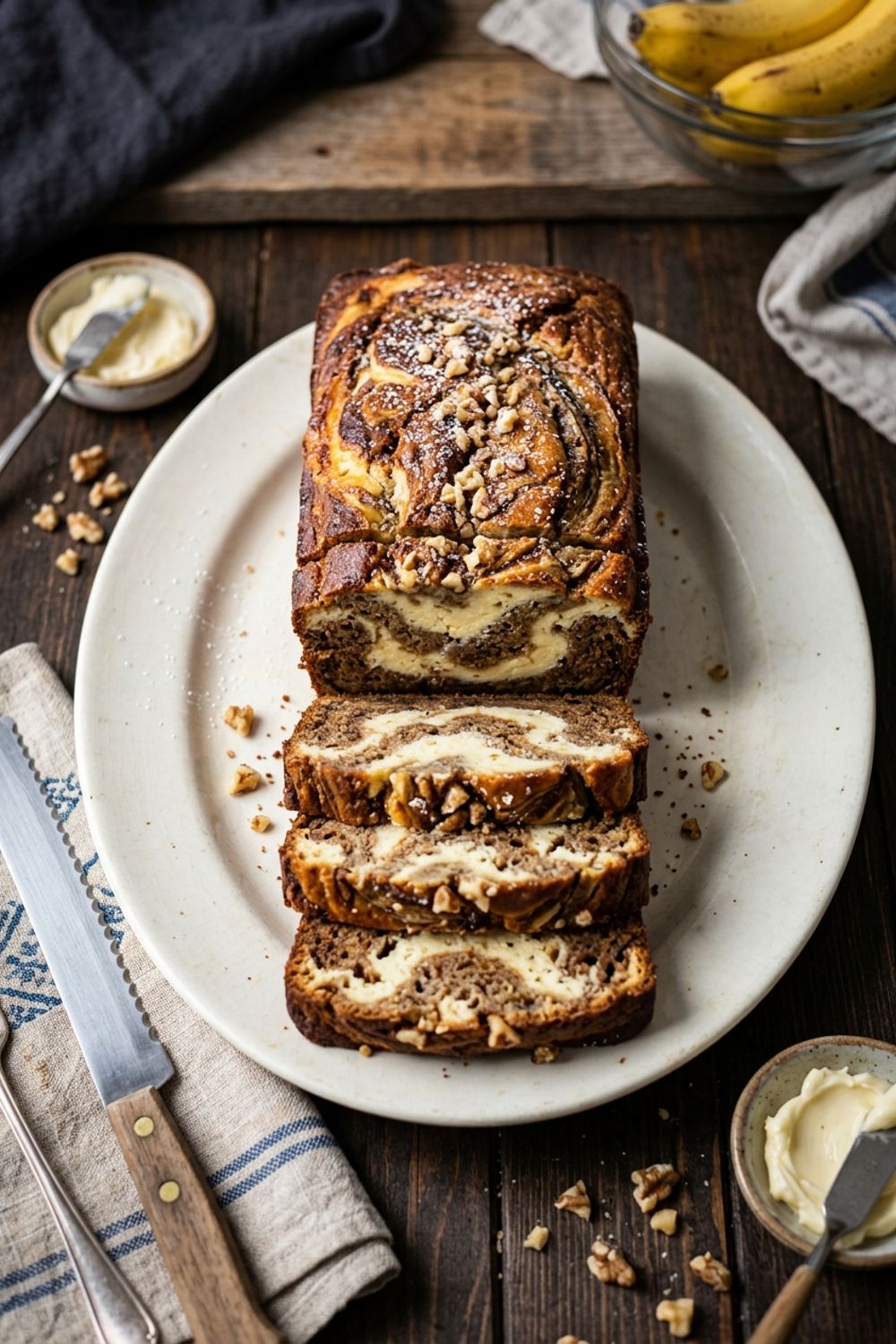
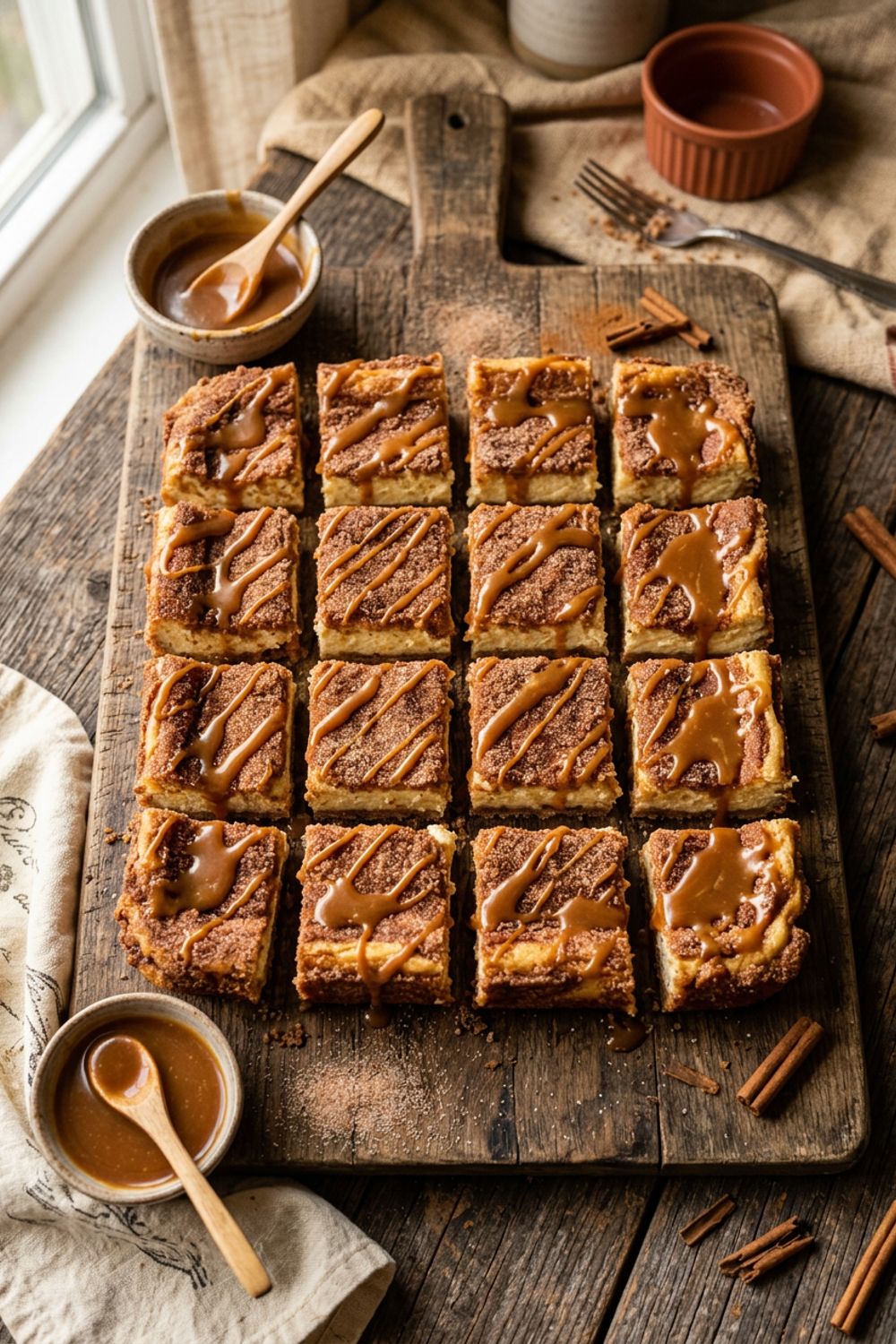
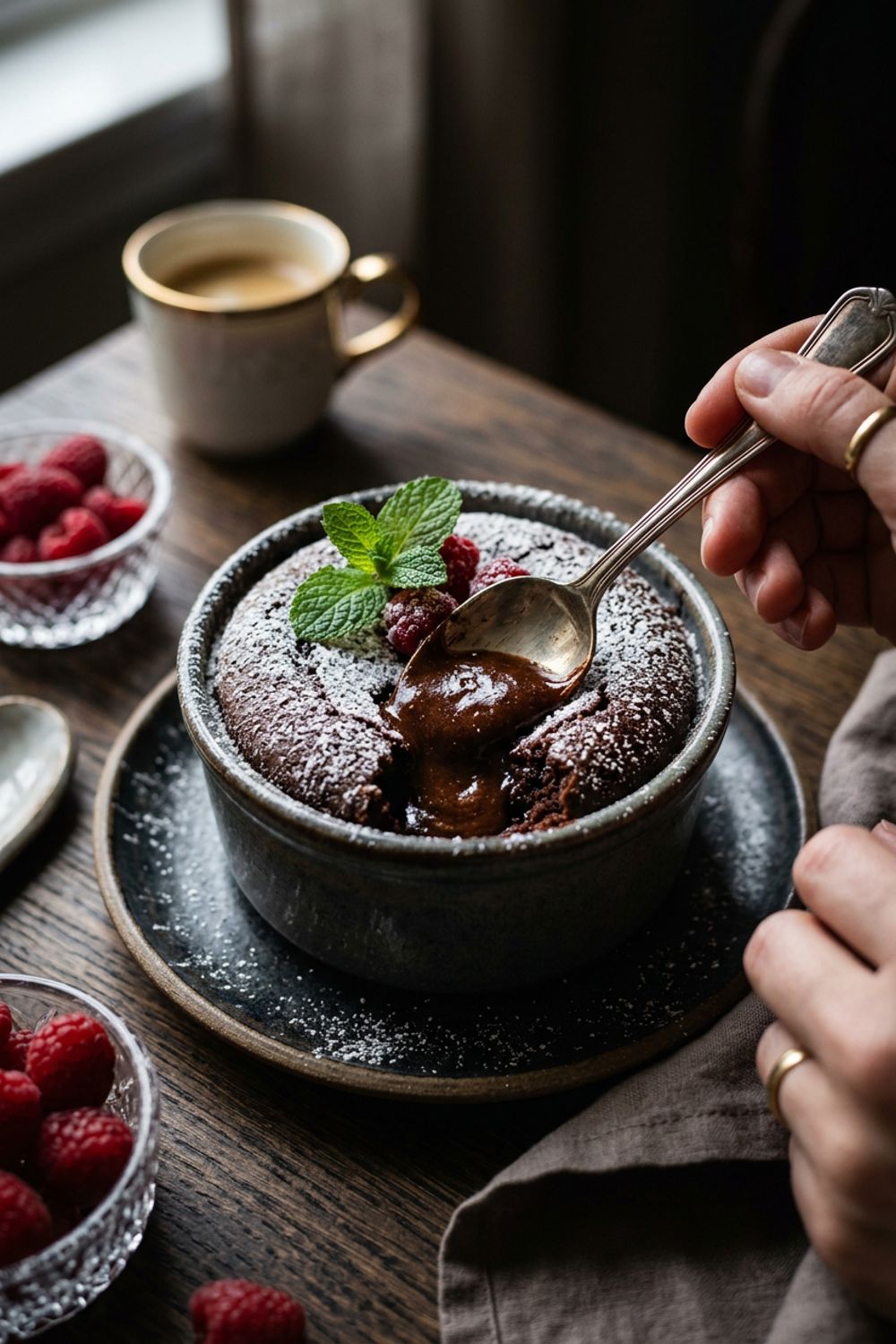
For more cheesecake inspiration, you will love my churro cheesecake recipe with its cinnamon-sugar magic, or try my cheesecake banana bread for a casual twist on these flavors. If you want something simpler for weeknights, my chocolate pudding pots deliver that same creamy satisfaction with a fraction of the effort.
Never Miss a Recipe
Join 5,000+ home cooks and get new recipes straight to your inbox.
Ingredients
Graham Cracker Crust
Coconut Cheesecake Filling
Toasted Coconut Topping
Instructions
- 1
Prepare the Crust
Preheat your oven to 325°F (165°C). In a bowl, mix the graham cracker crumbs, sugar, shredded coconut, and melted butter until the mixture resembles wet sand. Press firmly into the bottom and 1 inch up the sides of a 9-inch springform pan. Bake for 10 minutes until set and lightly golden. Remove and let cool while you prepare the filling.
- 2
Prepare the Water Bath
Wrap the outside of the springform pan tightly with two layers of heavy-duty aluminum foil to prevent water from seeping in. Place the pan inside a large roasting pan. Boil a kettle of water — you will need it when the cheesecake goes in the oven.
- 3
Make the Cheesecake Filling
Beat the softened cream cheese with an electric mixer on medium speed until completely smooth, about 3 minutes, scraping down the bowl frequently. Add the sugar and mix until combined, about 1 minute. Pour in the coconut milk and mix on low until incorporated. Add the eggs one at a time, mixing on low after each addition just until the yolk disappears. Stir in the coconut extract, vanilla extract, flour, and salt. Mix on low for 30 seconds — do not overbeat.
- 4
Bake in a Water Bath
Pour the filling over the cooled crust. Place the roasting pan in the oven and carefully pour the hot water into the roasting pan until it reaches halfway up the sides of the springform pan. Bake at 325°F (165°C) for 60 to 65 minutes. The cheesecake is done when the edges are set but the center still has a slight jiggle, like firm gelatin. Turn off the oven, crack the door open, and let the cheesecake cool inside for 1 hour.
- 5
Toast the Coconut
While the cheesecake cools, spread the shredded coconut on a baking sheet. Toast in a 350°F (175°C) oven for 5 to 7 minutes, stirring every 2 minutes, until golden brown. Watch it carefully as coconut burns quickly. Transfer to a plate to cool completely.
- 6
Top and Chill
Once the cheesecake has cooled in the oven, remove it and refrigerate uncovered for at least 6 hours or overnight. Before serving, whip the heavy cream with powdered sugar and vanilla until stiff peaks form. Spread or pipe the whipped cream over the cheesecake and cover generously with toasted coconut. Run a warm knife around the edge before releasing the springform ring.
Nutrition Information
Per serving (serves 12). Values are approximate.
| Calories | 445 calories |
| Total Fat | 33g |
| Saturated Fat | 20g |
| Carbohydrates | 32g |
| Sugar | 24g |
| Protein | 8g |
| Sodium | 310mg |
| Fiber | 1g |
* Percent Daily Values are based on a 2,000 calorie diet. Your daily values may be higher or lower depending on your calorie needs. Nutritional information is an estimate and may vary.
Frequently Asked Questions
Can I use coconut cream instead of coconut milk?
Yes, coconut cream works and will give you an even more intense coconut flavor. Since coconut cream is thicker, the filling will be slightly denser. No other adjustments are needed.
How do I prevent cracks in my cheesecake?
The water bath is your best defense against cracks. It creates a humid environment that prevents the surface from drying out. Also, avoid overbeating the batter once the eggs are added, and let the cheesecake cool slowly in the oven with the door cracked.
Can I make this cheesecake without a water bath?
You can, but the texture will not be as creamy and the top is more likely to crack. If you skip the water bath, reduce the oven temperature to 300°F (150°C) and bake for 70 to 75 minutes.
How far in advance can I make this?
The cheesecake can be made up to 3 days ahead and stored in the refrigerator. Add the whipped cream and toasted coconut topping just before serving for the best presentation.

Hi, I'm Lisa!
I create simple, tested recipes from around the world that anyone can make at home.
Learn More →Reader Reviews
Based on 198 reviews