World Cuisine
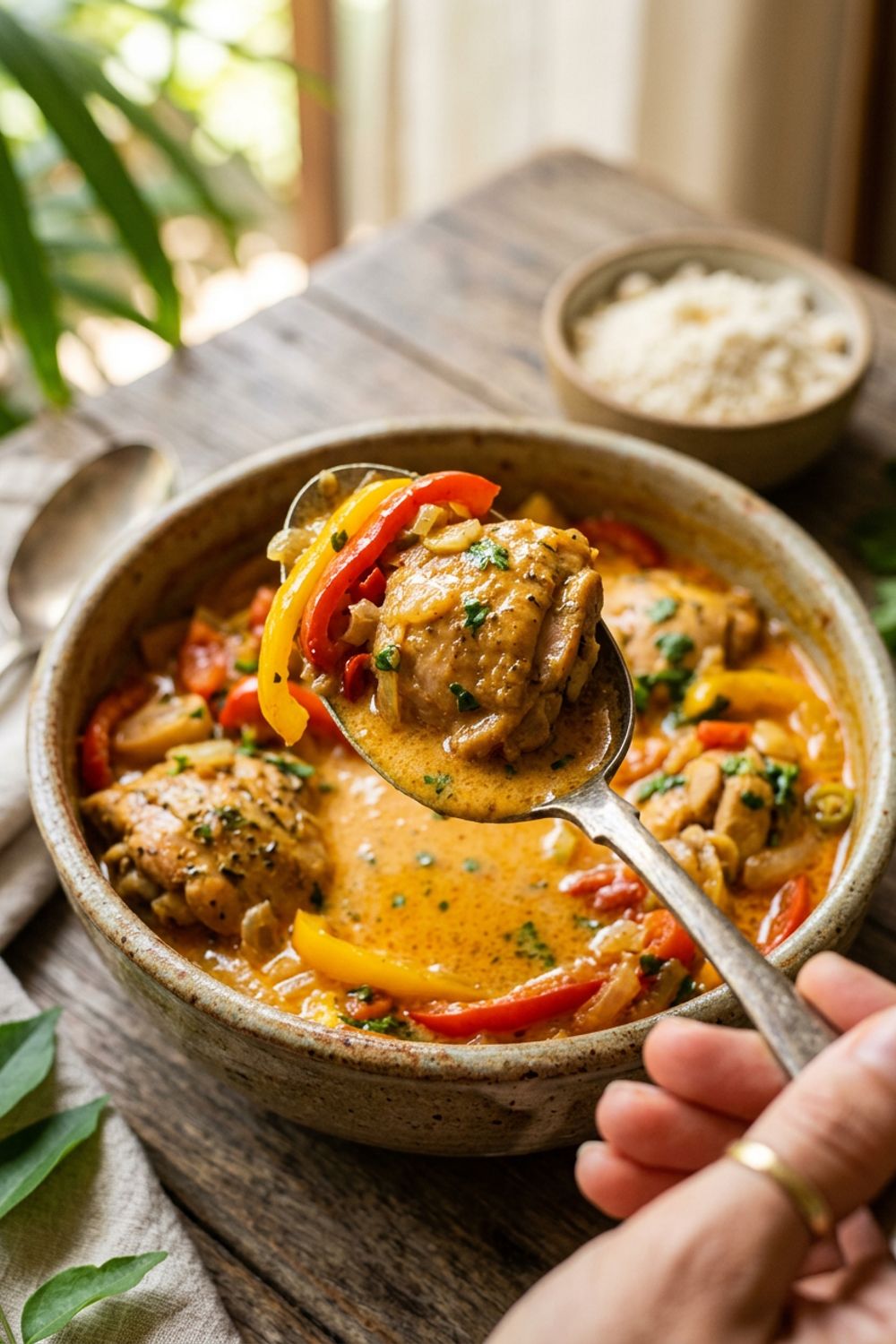
Brazilian Coconut Chicken (Frango com Coco)
Why This Brazilian Coconut Chicken Stole My Heart
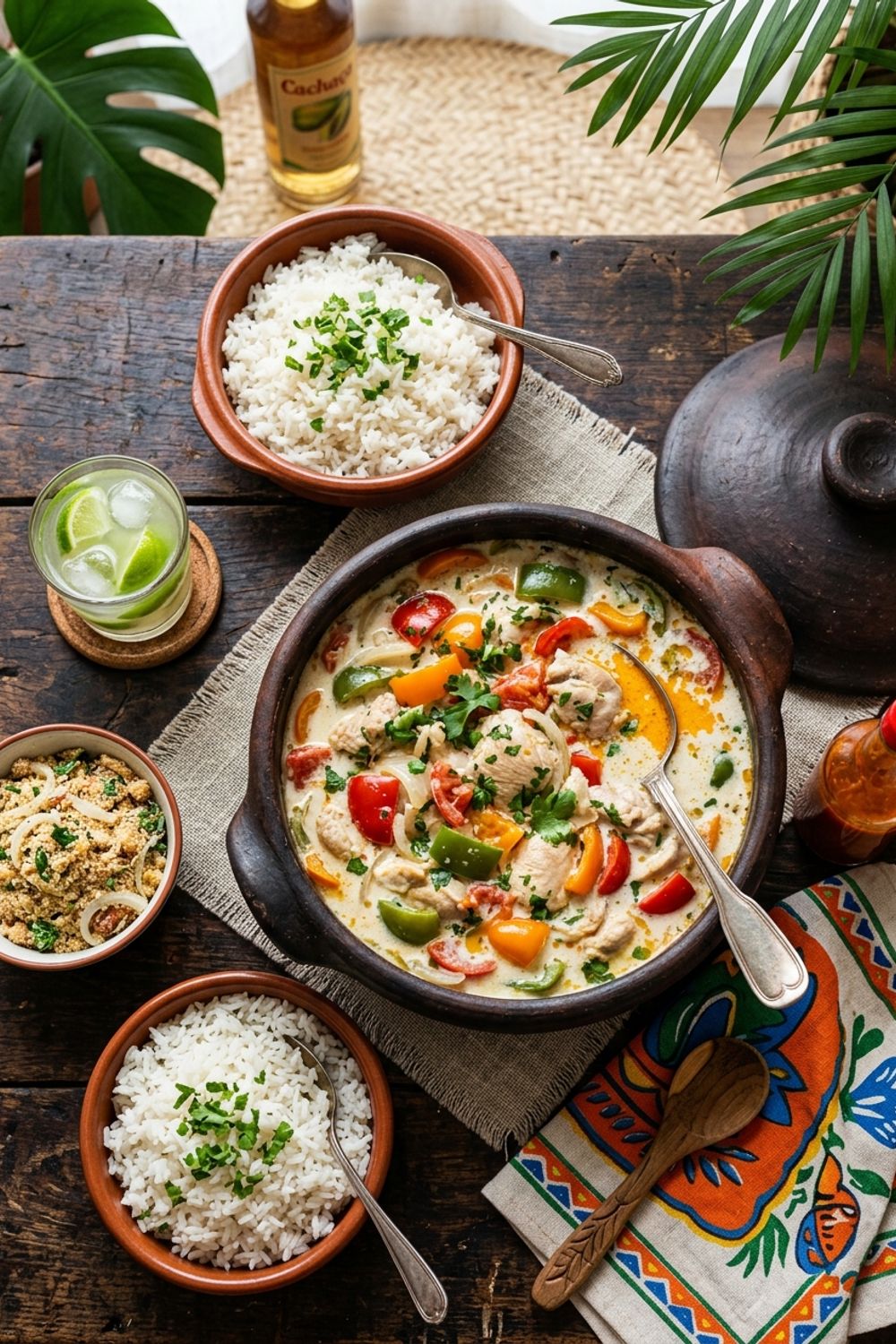
I fell head over heels for Brazilian cuisine during a three-week backpacking trip through Bahia, the northeastern state of Brazil where African, Indigenous, and Portuguese culinary traditions merge into something utterly magical. It was in a beachside restaurant in Salvador, with my toes in the sand and the Atlantic Ocean stretching to the horizon, that I first tasted frango com coco — Brazilian coconut chicken. The dish arrived in a clay pot, steaming and golden, with the most intoxicating aroma of coconut, lime, and warm spices curling into the salty sea air. I can close my eyes today and still smell it.
What makes this Brazilian coconut chicken extraordinary is the harmony between the rich, creamy coconut milk and the bright acidity of fresh tomatoes and lime juice. It is a dish that feels simultaneously comforting and vibrant, warming and refreshing. The spice blend is intentionally gentle — unlike some Brazilian dishes that pack serious heat, this recipe lets the natural sweetness of the coconut and the savory depth of the well-browned chicken take center stage.
I have adapted this recipe from the version taught to me by a cook named Dona Maria in a tiny town called Itacaré. She insisted on three things: using chicken thighs rather than breast for their superior flavor and juiciness, browning the chicken deeply before adding it to the sauce, and finishing with a generous squeeze of fresh lime right before serving. These three principles have guided my version for years, and every time I make this dish, I think of her warm smile and the way she stirred the pot with the confidence of someone who has cooked the same dish a thousand times.
This is one of those rare one-pot recipes that tastes like it required hours of work but actually comes together in under an hour. The hardest part is waiting for the sauce to simmer down to its gorgeous, thick consistency. I have served this at everything from casual weeknight dinners to birthday celebrations, and it universally receives raves. It is one of those dishes that transcends cultural boundaries — everyone loves it, regardless of how familiar they are with Brazilian cuisine.
The Science of Browning Chicken for Maximum Flavor
Browning the chicken before it goes into the coconut sauce might seem like an optional step, but I consider it absolutely essential to achieving restaurant-quality results at home. The Maillard reaction that occurs when protein meets high heat creates hundreds of flavor compounds that simply cannot be replicated by any other method. These compounds add a savory depth and complexity to the finished sauce that makes the difference between a good dish and a truly memorable one.
The key to proper browning is working in batches and resisting the urge to move the chicken too frequently. When I crowd the pot, the temperature drops and the chicken steams instead of sears, resulting in a pale, rubbery exterior that provides none of the flavor benefits I am looking for. I sear my chicken in two batches, giving each piece at least three minutes of undisturbed contact with the hot oil. You know the chicken is ready to flip when it releases easily from the pot — if it sticks, it needs more time.
After browning, the bottom of the pot will be covered in a layer of dark, caramelized bits called fond. This is concentrated flavor in its purest form, and the deglazing step — adding the vegetables and eventually the tomatoes and broth — dissolves all of that goodness into the sauce. If you skip the browning step, you miss out on this entire layer of flavor, and your sauce will taste flat and one-dimensional in comparison. I promise that the extra ten minutes of browning time are the best investment you can make in this recipe.
Understanding Brazilian Flavor Building
Brazilian cuisine has a unique approach to flavor building that sets it apart from other Latin American traditions, and understanding it will help you cook this dish with confidence and intuition. The flavor base of most Bahian dishes starts with onion, garlic, and peppers — what Brazilians call the refogado. This aromatic foundation is cooked slowly in oil until it becomes soft and almost jammy, providing a concentrated base that supports all the other ingredients.
The use of dendê oil is one of the most distinctive characteristics of Bahian cooking. This unrefined palm oil has a deep reddish-orange color and a rich, slightly nutty flavor that is completely unique. While it is optional in this recipe, it adds an authentic character that is impossible to replicate with other oils. If you can find it, even a single tablespoon transforms the dish. It also contributes to the gorgeous golden color of the sauce, which is part of what makes this dish so visually stunning.
The combination of coconut milk and tomatoes is a signature Bahian pairing that I find absolutely brilliant. The fat in the coconut milk rounds out the acidity of the tomatoes, while the tomatoes prevent the coconut from becoming cloying or heavy. The fresh lime juice added at the end acts as a final flavor brightener, cutting through the richness and making the sauce taste clean and vibrant. This balance of rich, acidic, and bright is the hallmark of great Brazilian cooking, and once you understand it, you will find it in countless other dishes from the region.
Tips for the Best Brazilian Coconut Chicken
Always Use Full-Fat Coconut Milk. Light coconut milk is essentially full-fat coconut milk diluted with water, and it will produce a thin, watery sauce that lacks the luxurious body this dish demands. I shake the can vigorously before opening to ensure the cream and liquid are well combined. If the coconut cream has solidified at the top of the can, scoop it into the pot first and let it melt into the sauce before adding the liquid portion.
Choose the Right Chicken Thighs. Boneless, skinless chicken thighs are my strong preference for this recipe because they stay incredibly moist and tender during the long simmer. The higher fat content compared to breast meat means they are much more forgiving if you overcook them slightly. I cut each thigh into 2-inch pieces — small enough to be bite-sized but large enough to maintain their texture and not fall apart into shreds.
Do Not Rush the Simmering Process. The sauce needs a full 20 to 25 minutes of gentle simmering to develop its full flavor and thicken to the proper consistency. Cranking up the heat to speed things along will result in a sauce that is simultaneously too thin and overcooked. Medium-low heat creates a gentle bubble that allows the flavors to concentrate gradually while the coconut milk reduces into a luscious, velvety coating for the chicken.
Finish with Fresh Acid and Herbs. The final squeeze of lime juice and the shower of fresh cilantro are not just garnishes — they are essential components that complete the flavor profile. Without the lime, the dish can taste heavy and one-note. Without the cilantro, it lacks the fresh, herbaceous brightness that defines Brazilian cooking. Always add these at the very end, after removing the pot from the heat, to preserve their fresh flavors.
Toast Your Spices for Extra Depth. While this recipe uses ground spices for convenience, you can elevate the flavor significantly by toasting whole cumin seeds and grinding them yourself. Toast them in a dry pan over medium heat for about 90 seconds until fragrant, then grind in a spice grinder or mortar and pestle. The difference in aroma and flavor is remarkable — freshly ground toasted spices have a warmth and complexity that pre-ground versions simply cannot match.
Variations to Try
Shrimp Moqueca Style. Replace the chicken with 1.5 pounds of large, peeled shrimp for a classic Bahian moqueca. The shrimp cooks much faster — add it to the finished sauce and simmer for just 3 to 4 minutes until pink and curled. The sweet, briny flavor of the shrimp against the creamy coconut and bright tomato is one of the most iconic flavor combinations in Brazilian cuisine. This variation is especially impressive for dinner parties.
Plant-Based Coconut Chickpea Stew. For a vegan version that is every bit as satisfying, replace the chicken with two cans of drained chickpeas and use vegetable broth instead of chicken broth. Add 2 cups of diced sweet potato for extra substance and natural sweetness. The chickpeas absorb the coconut sauce beautifully, and the sweet potatoes add a creamy texture that mimics the satisfaction of the original meat version.
Spicy Bahian Version. For a more authentic Bahian heat level, add 2-3 fresh malagueta peppers (or habaneros if you cannot find malagueta) when you add the garlic. You can also increase the cayenne to a full teaspoon and add a tablespoon of your favorite hot sauce to the finished dish. This fiery version pairs incredibly well with cold Brazilian beer and a side of cooling farofa.
Coconut Chicken with Okra. Add 2 cups of sliced okra to the sauce during the last 10 minutes of cooking. Okra is a traditional ingredient in many Bahian stews and adds a wonderful silky texture while also helping to thicken the sauce naturally. If you are not a fan of okra’s texture, cut it into larger pieces (halved lengthwise) which minimizes the slippery quality.
How to Store and Reheat
This Brazilian coconut chicken stores exceptionally well and actually tastes even better the next day as the flavors continue to develop and meld. Cool the stew completely, then transfer to airtight containers and refrigerate for up to 4 days. The coconut fat will solidify on the surface when cold, which is completely normal — it will melt back into the sauce when reheated.
To reheat, warm the stew in a saucepan over medium-low heat, stirring occasionally, until heated through. Add a splash of chicken broth or water if the sauce has thickened too much during storage. You can also microwave individual portions for 2 to 3 minutes, stirring halfway through. I always add a fresh squeeze of lime juice and a sprinkle of cilantro after reheating to brighten the flavors. The stew freezes well for up to 3 months — freeze in portion-sized containers for easy weeknight meals. Store the rice separately as it does not freeze as well when mixed with the sauce.
Troubleshooting Your Coconut Chicken
If your sauce is too thin after the full simmering time, remove the chicken pieces and increase the heat to medium-high. Let the sauce boil vigorously for 5 to 7 minutes, stirring frequently, until it reduces to your desired consistency. Then return the chicken to the pot and warm through. This concentrates the flavors beautifully and creates a sauce that clings to the chicken rather than pooling on the plate.
If the coconut milk has curdled or separated in the sauce, the heat was too high during the simmering phase. While the sauce will still taste fine, the texture will be grainy rather than smooth. To prevent this in the future, keep the heat at a gentle simmer — you should see small bubbles breaking the surface, not a rolling boil. If it does separate, you can blend the sauce with an immersion blender to bring it back together, though the texture will be slightly different.
If the dish tastes flat or one-dimensional, it is almost certainly missing acid. Add extra lime juice, a tablespoon at a time, tasting after each addition. You will be amazed at how lime juice transforms the entire dish from bland to vibrant. Also check the salt level — coconut milk can absorb a surprising amount of salt, and under-seasoned coconut sauce tastes dull and heavy.
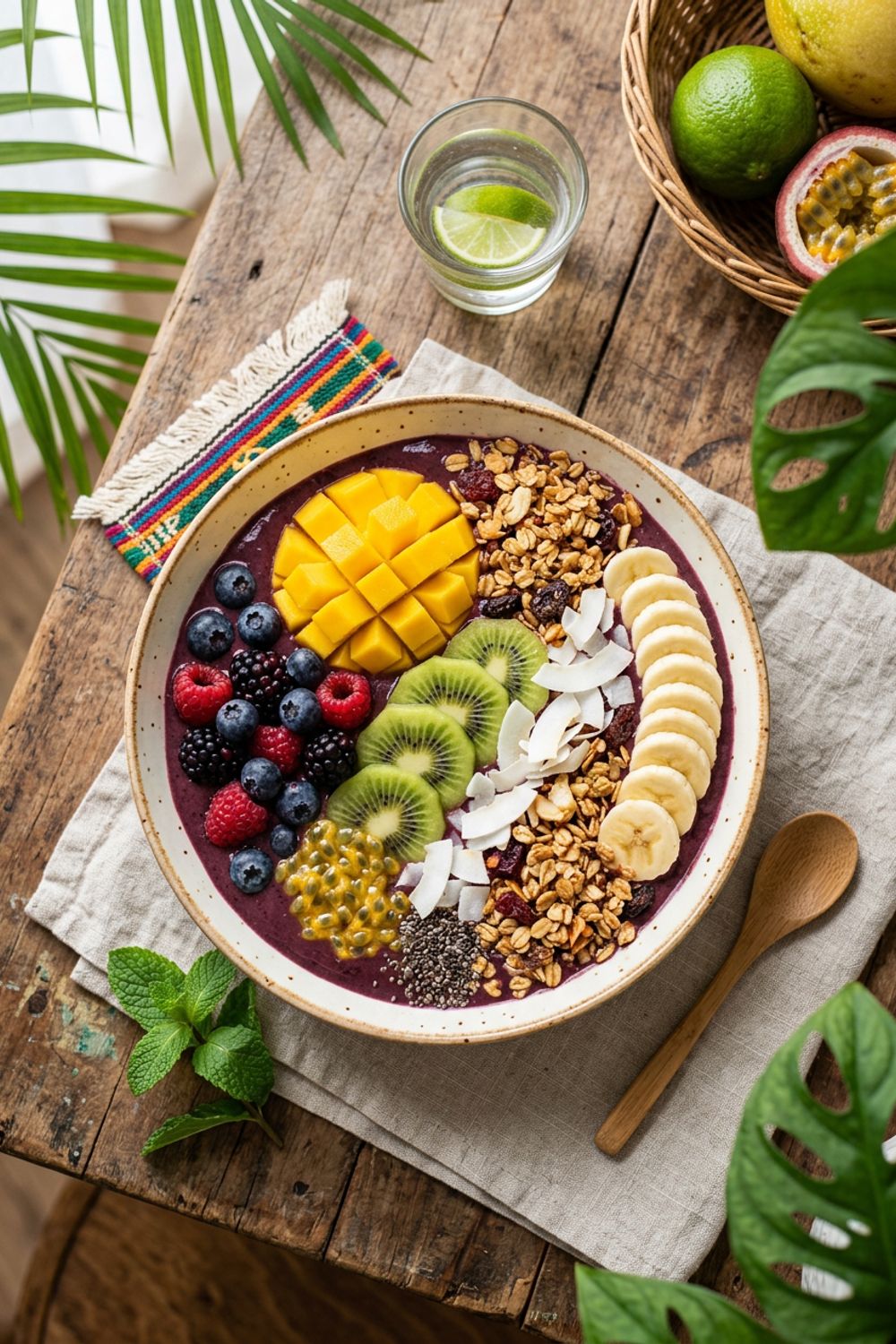
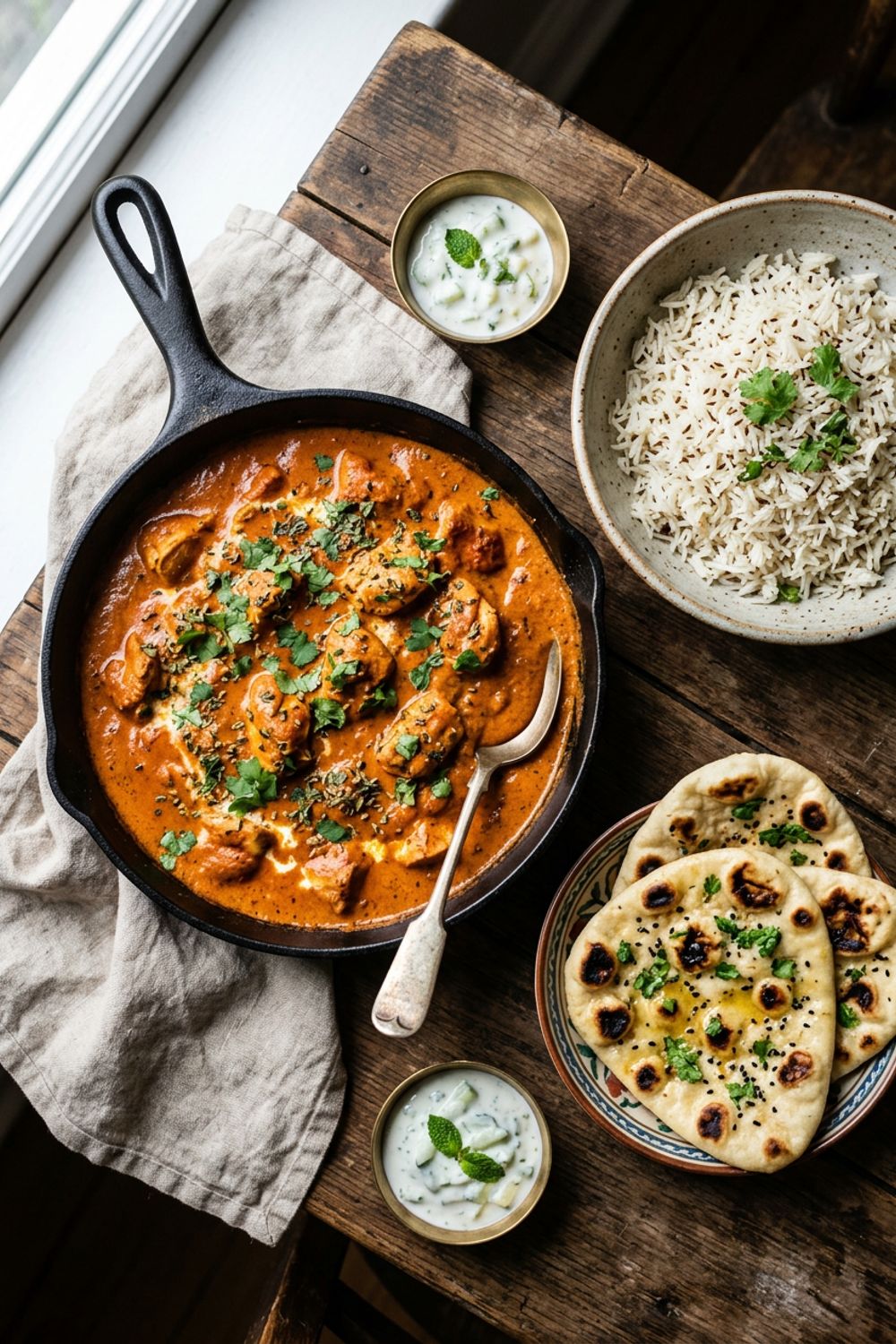
This Brazilian coconut chicken is one of those dishes that transports me to a sunlit beach every time I make it. If you love tropical flavors, try my Brazilian Metabolism-Boosting Smoothie Bowl for a lighter but equally vibrant Brazilian-inspired creation. For other rich, saucy dishes, my Homemade Butter Chicken and Creamy Pesto Chicken Pasta are both excellent choices that your whole family will love.
Never Miss a Recipe
Join 5,000+ home cooks and get new recipes straight to your inbox.
Ingredients
Chicken
Coconut Sauce
Garnish
Instructions
- 1
Marinate the Chicken
In a large bowl, toss the chicken pieces with salt, black pepper, paprika, cumin, and lime juice. Let marinate at room temperature for 15 minutes while you prepare the other ingredients. The acid from the lime tenderizes the chicken and helps the spices penetrate the meat.
- 2
Brown the Chicken
Heat the olive oil in a large, heavy-bottomed pot or Dutch oven over medium-high heat. Working in two batches to avoid crowding, sear the chicken pieces for 3-4 minutes per side until golden brown. Transfer to a plate and set aside. The chicken does not need to be cooked through at this stage — it will finish cooking in the sauce.
- 3
Build the Sauce Base
In the same pot, add the dendê oil if using. Add the diced onion and cook for 4-5 minutes until softened. Add the red and green bell peppers and cook for another 3-4 minutes until slightly tender. Add the garlic, turmeric, and cayenne pepper, stirring for 30 seconds until fragrant.
- 4
Add Liquids and Simmer
Pour in the diced tomatoes, tomato paste, and chicken broth. Stir to combine and scrape up any browned bits from the bottom of the pot. Bring to a simmer, then pour in the coconut milk and stir well. Return the browned chicken pieces to the pot along with any accumulated juices.
- 5
Cook Until Tender
Reduce heat to medium-low and simmer uncovered for 20-25 minutes, stirring occasionally, until the chicken is cooked through and the sauce has thickened slightly. The chicken should be very tender and the sauce should be a gorgeous golden-orange color. Taste and adjust seasoning with salt and pepper.
- 6
Finish and Serve
Remove from heat and stir in the fresh lime juice and half of the chopped cilantro. Serve over steamed white rice, garnished with the remaining cilantro and sliced scallions. A few extra lime wedges on the side are always welcome for squeezing over individual portions.
Nutrition Information
Per serving (serves 6). Values are approximate.
| Calories | 450 calories |
| Total Fat | 24g |
| Saturated Fat | 14g |
| Carbohydrates | 16g |
| Sugar | 8g |
| Protein | 42g |
| Sodium | 720mg |
| Fiber | 3g |
* Percent Daily Values are based on a 2,000 calorie diet. Your daily values may be higher or lower depending on your calorie needs. Nutritional information is an estimate and may vary.
Frequently Asked Questions
What is dendê oil and where can I find it?
Dendê oil is unrefined red palm oil used extensively in Bahian Brazilian cooking. It has a distinctive reddish-orange color and a rich, slightly earthy flavor. You can find it at Brazilian markets, specialty food stores, or online. If unavailable, substitute with extra olive oil — the dish will still be delicious, just without that authentic Bahian character.
Can I use chicken breast instead of thighs?
You can, but I strongly recommend thighs for this recipe. Thigh meat is more forgiving during the long simmer and stays juicier and more tender. If you must use breast, cut it into slightly larger pieces and reduce the simmering time by 5-8 minutes to prevent it from drying out.
How spicy is this recipe?
As written, this recipe has a mild to medium heat level. The cayenne provides a gentle warmth that builds gradually. For more heat, add 1-2 minced habanero or malagueta peppers with the garlic. For less heat, simply omit the cayenne entirely.
What can I serve this with besides rice?
Traditional Brazilian accompaniments include farofa (toasted cassava flour), black beans, sautéed collard greens (couve), or fried plantains. You can also serve it with crusty bread for soaking up the incredible sauce, or over quinoa for a lighter option.

Hi, I'm Lisa!
I create simple, tested recipes from around the world that anyone can make at home.
Learn More →Reader Reviews
Based on 175 reviews